
Who Invented The Trampoline
Most people associate trampolines with childhood memories, backyard fun, and energetic afternoons at indoor parks. Yet few people ever stop to wonder who invented the trampoline or how this fascinating piece of equipment became so popular around the world. The trampoline did not appear suddenly as a modern toy. It has a deep history shaped by performers, athletes, engineers, and innovators who saw something special in the simple act of bouncing. Discovering who invented the trampoline is not just about identifying one name. It is about understanding how an idea grew over time and how it evolved into one of the most recognized pieces of sports equipment today.
George Nissen invented the modern trampoline in the 1930s with the help of his coach, Larry Griswold. Inspired by circus performers bouncing on safety nets, Nissen developed a dedicated rebounding surface that eventually became the trampoline we know today.
Before the trampoline became a backyard favorite, early forms of bouncing platforms appeared in ancient cultures. Although these early activities shared similarities with modern trampolines, they lacked the springs, metal frame, and engineered rebound that define today’s equipment. Other cultures practiced acrobatics using cloth or wooden platforms. These early versions were not trampolines as we know them, but they showed the human desire to leap higher and experience the sensation of weightlessness. This fascination created the foundation for a much more advanced invention that would appear centuries later.
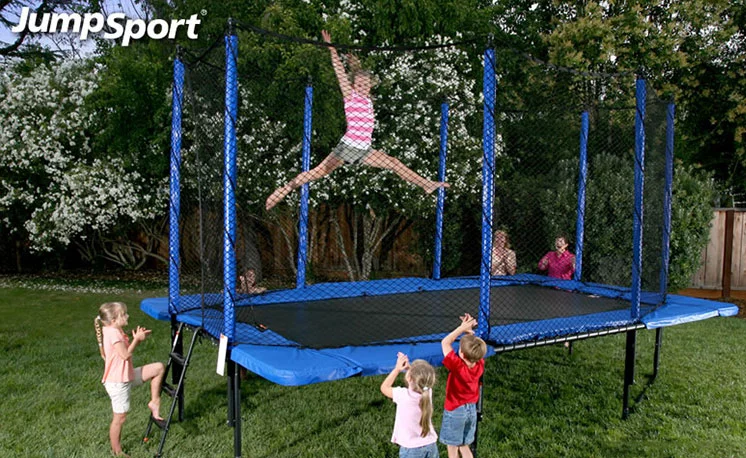
The Modern Creator Behind the Trampoline
When discussing who invented the trampoline in its modern form, one name stands out above the rest. George Nissen, an American gymnast from Iowa, is widely credited as the inventor of the first modern trampoline. In the 1930s, Nissen watched trapeze artists use the safety net below them to bounce after dropping from the ropes. The performers used the rebound for a graceful finish, and this movement inspired Nissen in a way that stayed with him long after the circus show ended. He wondered if a dedicated bouncing surface could be created specifically for training, exercise, and performance.
Nissen teamed up with his coach, Larry Griswold, who also understood the potential of a rebounding surface for athletic training. Together, they created what is considered the first true trampoline. The early model was built using angle iron, strips of inner tire tubes, and canvas stretched tightly across a metal frame. At the time, this invention was unlike anything the athletic community had seen before. Their creation allowed greater bounce, more control, and a safer environment for practicing flips, jumps, and creative movements. If you are considering a trampoline for your backyard, browse our collection of trampolines to compare sizes and features designed for family fun.
Even though their first version looked simple compared to today’s trampolines, it sparked a new era in sports and entertainment. Nissen and Griswold recognized that athletes could use the trampoline to train more efficiently by improving their body control, timing, and air awareness. Trampoline training soon became useful for gymnasts, divers, and even military pilots who needed to practice orientation skills during free-fall simulations.
Historians generally agree that George Nissen invented the first modern trampoline, although earlier cultures used simple bouncing surfaces for recreation and performance. Nissen’s innovation was creating a durable, reusable device specifically designed for controlled rebounding.
How the Trampoline Got Its Name
One interesting part of learning who invented the trampoline is discovering how it got its name. George Nissen took inspiration from the Spanish word “trampolín,” which referred to a springboard used in diving. He modified the word into “trampoline” to describe his new invention. The name was easy to recognize and remember, and it quickly became the standard term for the equipment he created. Over time, the word trampoline spread worldwide, used in athletic training centers, backyard play equipment, and eventually in large indoor trampoline parks.
The Trampoline’s Early Rise in Popularity
During the 1940s and 1950s, the trampoline became increasingly popular across the United States. Nissen traveled around the country and even overseas to demonstrate the trampoline’s capabilities. He performed acrobatic routines, taught lessons, and promoted the idea that trampolines could be used for fun and fitness. His demonstrations caught the attention of schools and recreation centers, which began purchasing trampolines for physical education programs. After proving that the design worked, Nissen focused on introducing the trampoline to schools, athletic programs, and public demonstrations.
The trampoline’s popularity also expanded because of its usefulness in athletic training. Gymnasts used the bounce to improve their aerial skills. Divers practiced spins and twists with the help of controlled rebounding. Even astronauts used trampolines as part of their physical training because the equipment helped improve balance, core strength, and spatial awareness. It did not take long before the trampoline became a valuable tool in competitive sports.
The Trampoline Enters Organized Competition
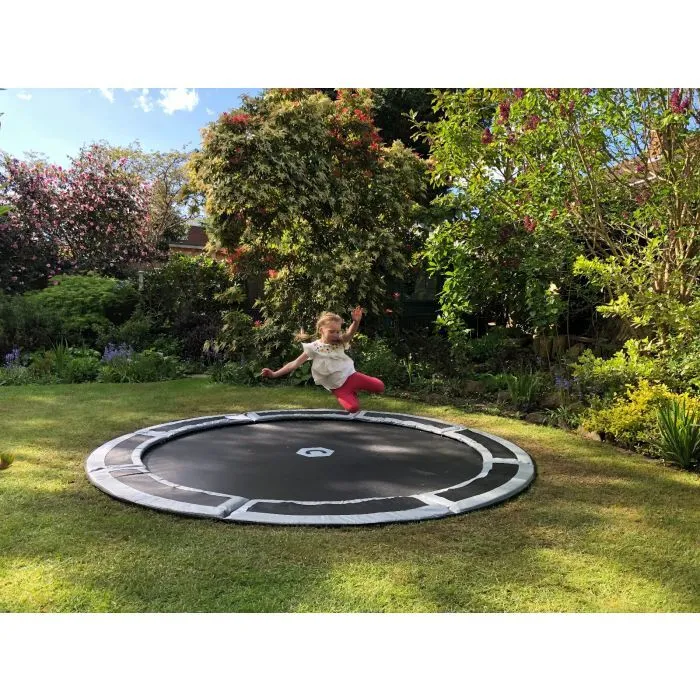
As more people discovered its potential, the trampoline transitioned from a simple invention to an organized competitive sport. Trampoline competitions began in the 1940s, with athletes performing routines judged on difficulty and execution. The sport gained momentum through the 1960s and 1970s, leading to worldwide interest and international competitions. This increasing popularity eventually contributed to the trampoline earning a spot in the Olympic Games.
If you want to explore how trampoline competition evolved further, you can learn more by reading When Was Trampoline Added to the Olympics, which explains the sport’s journey onto the world’s largest athletic stage. Understanding how the trampoline reached Olympic status helps complete the story of who invented the trampoline and how the invention influenced sports across the globe.
The Role of George Nissen in Trampoline History
George Nissen did far more than create the first trampoline. He dedicated his entire life to promoting the equipment he invented. He performed at events worldwide, organized competitions, worked with schools, and even continued using trampolines well into his senior years. According to historical archives from the Smithsonian Institution, Nissen remained passionate about trampolines for decades and played a direct role in making them mainstream.
His influence extended to the business world as well. Nissen established a company that manufactured trampolines and continued to refine the design. He experimented with new materials, stronger frames, and better bounce systems. Without his continued work, the trampoline might have remained a novelty or faded from popularity. Instead, it became a cornerstone of both entertainment and athletic training.

How Trampoline Design Evolved Over the Years
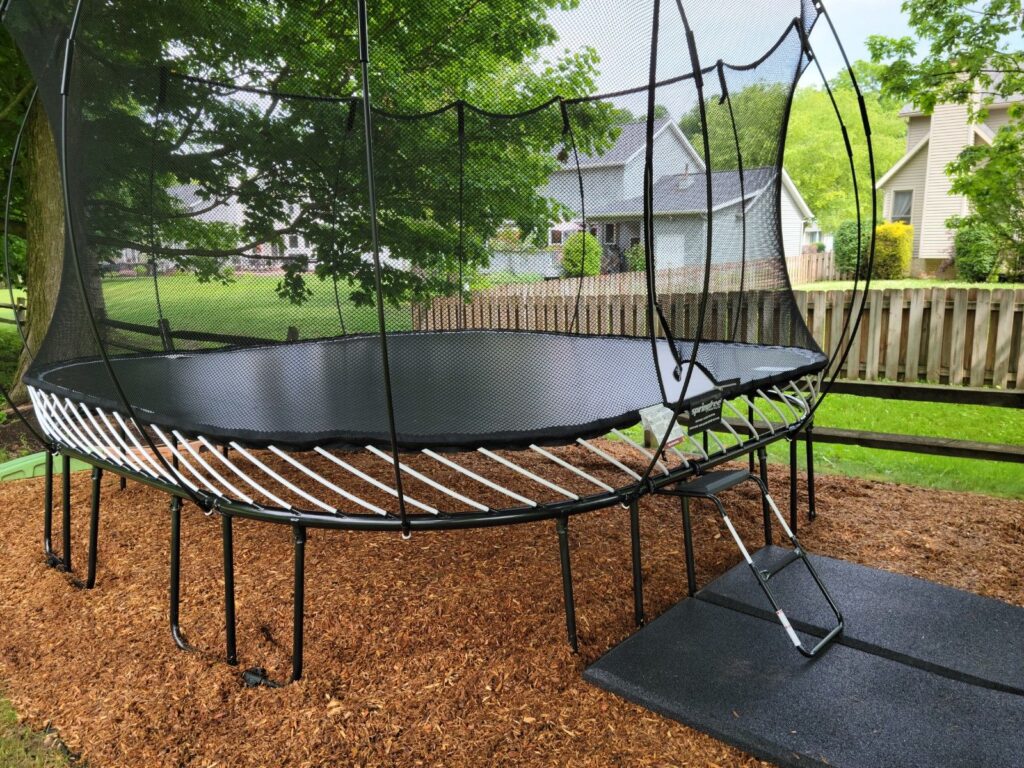
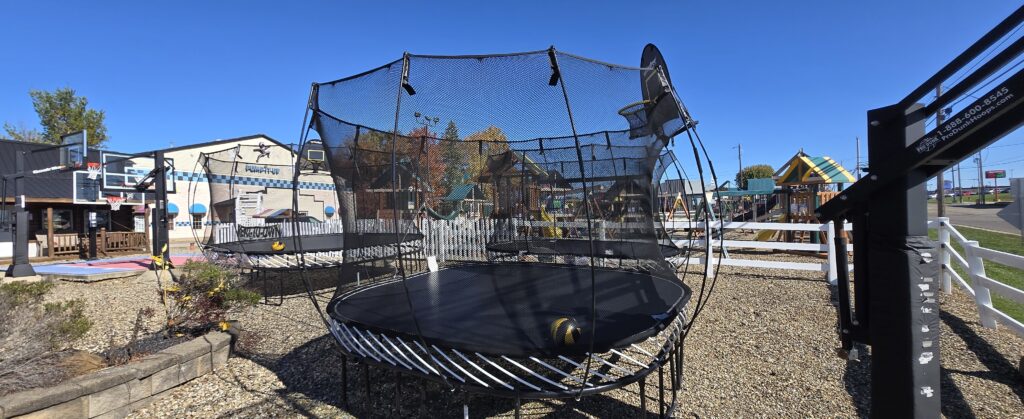
The trampolines we see today are far more advanced than the first models created by Nissen and Griswold. Modern trampolines use steel frames, high-quality springs, and durable jump mats designed for safety and performance. Safety pads cover the springs to prevent injuries, and enclosure nets help reduce the risk of falls. Manufacturers also design trampolines in various shapes and sizes to meet different needs, from competitive training to backyard play.
Innovations also changed how trampolines are used indoors. Modern trampoline parks feature interconnected trampolines that cover entire floors. Foam pits, angled walls, air tracks, and performance zones all grew from the original invention. These features show how one man’s curiosity about bouncing evolved into a worldwide industry.
The Trampoline’s Impact on Modern Fitness
The trampoline has also found a strong place in the fitness world. Rebounding workouts offer low-impact cardio that is gentle on joints while still providing an intense calorie burn. Fitness studios use small rebounders for group classes, and athletes use them for cross-training. These workouts help improve balance, coordination, and core strength. None of this would have been possible without the work of the man who invented the trampoline nearly a century ago.
Why Knowing the History Matters
Understanding who invented the trampoline gives families a deeper appreciation for the equipment they use today. What began as a simple idea inspired by circus performers became a tool for athletes, a piece of fitness equipment, and a source of entertainment for millions. Learning the history helps people use trampolines more responsibly and gain a better understanding of how they developed into what they are now.
Learning More About Trampolines
Families researching trampolines often compare sizes, safety features, and installation options before making a purchase. Educational guides and product information can make that decision much easier. If you want to explore equipment for home use, you can benefit from the resources available at Kids World Play Systems. Whether you are interested in backyard trampolines, basketball hoops, playground equipment, or safety information, some articles and guides help you make informed decisions. Understanding the origin of the trampoline makes it even more enjoyable to use one safely and responsibly.
If you have questions about trampoline safety, equipment quality, installation, or backyard play design, the team at Kids World Play Systems is ready to help. You can reach out through the contact page to get advice from professionals who understand how to create safe and fun play environments for families. Whether you want guidance on choosing the right trampoline or need expert support for your outdoor setup, help is only a message away.
Conclusion
George Nissen is widely recognized as the inventor of the modern trampoline. His innovative idea, inspired by the rebound of circus safety nets, transformed a simple concept into equipment now used for recreation, competitive sports, athletic training, and fitness around the world. Although early cultures experimented with different forms of bouncing surfaces, Nissen’s design established the foundation for the trampolines we know today.
Learning who invented the trampoline offers a greater appreciation for its history and continued evolution. From Olympic competition to backyard play, the trampoline has become a valuable way for people of all ages to stay active, build coordination, and enjoy time together. Understanding its origins also highlights the importance of choosing well-designed equipment and following proper safety practices every time you jump.
If you are ready to bring the excitement of trampolines to your backyard, Kids World Play Systems offers premium trampolines, basketball hoops, swing sets, and other outdoor play equipment designed with quality, durability, and family fun in mind. Explore our products and resources to create a safe outdoor space where children can stay active and make lasting memories.