
How Much Are Basketball Courts
Families, schools, and communities often consider building a basketball court to encourage physical activity and outdoor play. One of the first questions that comes up during planning is how much are basketball courts. The cost of building a basketball court can vary widely depending on size, materials, location, and intended use. Understanding these factors helps people set realistic expectations and plan a court that fits both their budget and long term goals.
Basketball courts range from simple half court setups in a driveway to full size professional courts with lighting and fencing. Each option comes with different costs and benefits. Learning how much are basketball courts at each level allows families and organizations to choose the right solution for their space and needs.
Factors That Affect Basketball Court Cost
Several key factors influence how much are basketball courts. The most important factor is size. Half courts cost less than full courts because they require less surface area, fewer materials, and reduced labor. Surface material also plays a major role. Asphalt, concrete, modular sport tiles, and cushioned systems each fall into different price ranges and performance levels.
Location matters as well. Site preparation, grading, and drainage requirements can increase costs if the land is uneven or requires excavation. Additional features such as fencing, lighting, line striping, and accessories also impact the final price. Every choice adds value but also affects the overall investment.
Cost of a Basic Residential Basketball Court
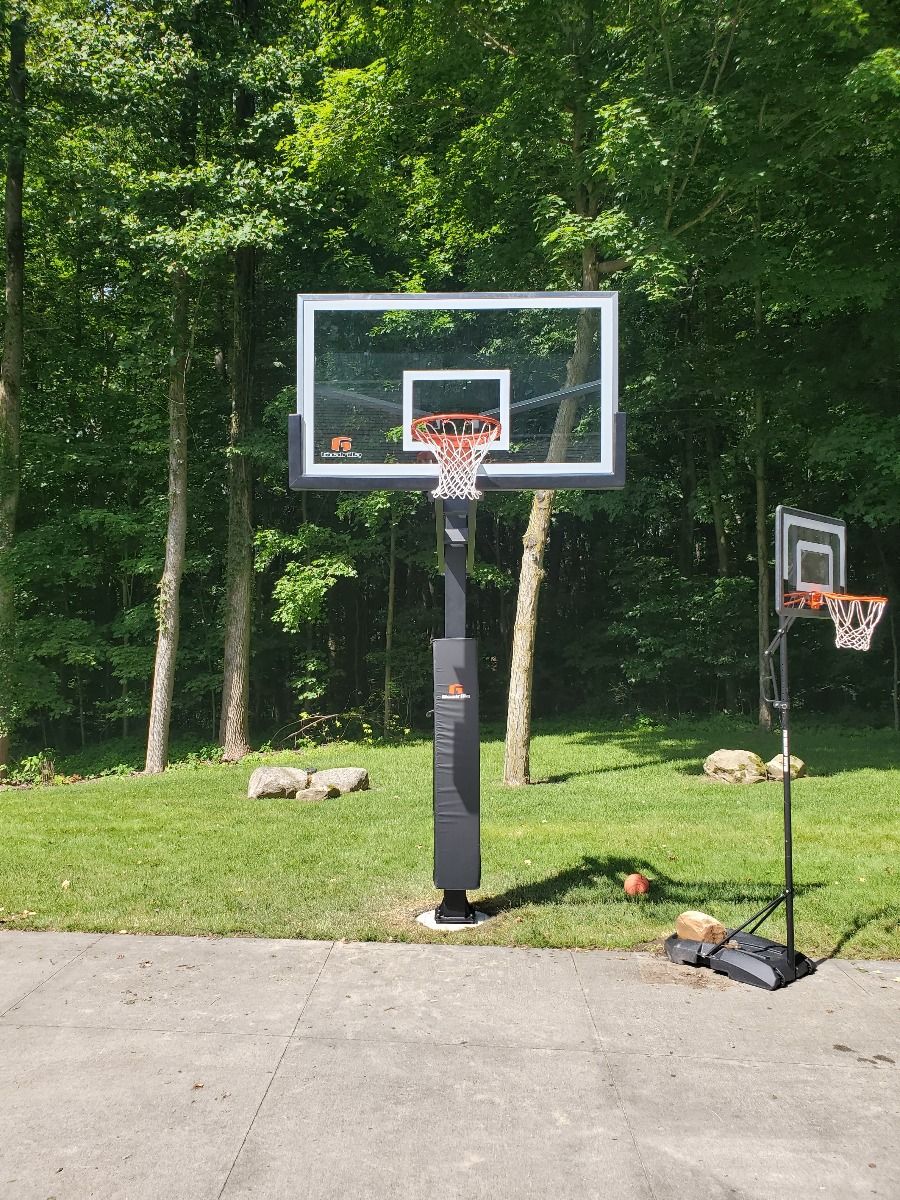
When families ask how much are basketball courts for home use, the most common option is a basic residential court. These courts are often built in driveways or backyards and may include a half court layout. Costs typically start in the lower thousands, depending on surface choice and preparation work.
Basic residential courts usually use asphalt or concrete and include painted lines and a basketball hoop. This option provides a functional and durable play space without the expense of professional level features. For many families, this setup offers the best balance between cost and usability.
Half Court Versus Full Court Pricing
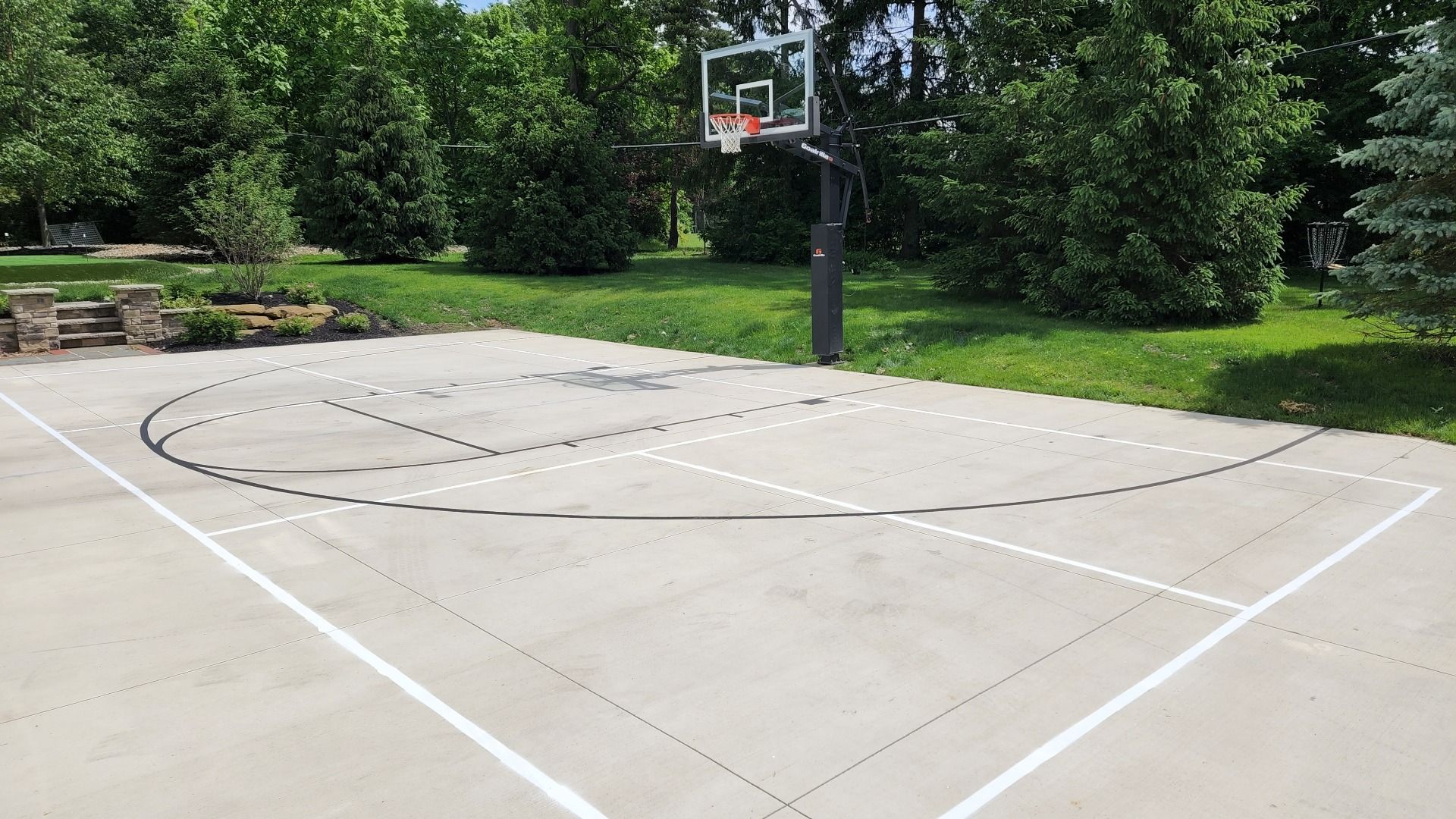
Half courts are a popular choice because they reduce cost while still offering plenty of play opportunities. A half court requires less land and fewer materials, which lowers construction expenses. When evaluating how much are basketball courts, half courts often cost significantly less than full courts.
Full courts require double the surface area and additional line markings. They also often include multiple hoops and larger surrounding space. While full courts cost more, they provide a complete playing experience and support full team games.
Surface Material Options and Pricing
Surface material selection strongly affects how much are basketball courts. Asphalt is one of the most affordable options and works well for outdoor courts. Concrete costs more upfront but offers longer durability and a smoother finish. Modular sport tiles provide excellent drainage and shock absorption but increase overall cost.
Cushioned systems reduce joint impact and improve comfort, making them popular for families and youth programs. However, these systems add to the initial investment. Choosing the right surface depends on budget, climate, and how often the court will be used.

Site Preparation and Ground Work Costs
Site preparation is often overlooked when estimating how much are basketball courts. Leveling the ground, removing debris, and ensuring proper drainage are essential steps. Uneven or sloped land increases labor and material costs.
Proper preparation protects the court from cracking and water damage. While it adds to upfront expenses, it prevents costly repairs later. Skipping this step often leads to long term problems that outweigh initial savings.
Basketball Court Accessories and Add Ons
Accessories can significantly change how much are basketball courts. Fencing helps keep balls contained and improves safety. Lighting extends play time into the evening. Custom logos, color schemes, and seating areas enhance appearance but raise cost.
Each add on should be chosen based on how the court will be used. Families may prioritize safety and durability, while schools and parks may focus on accessibility and appearance.
Hoop and Equipment Costs
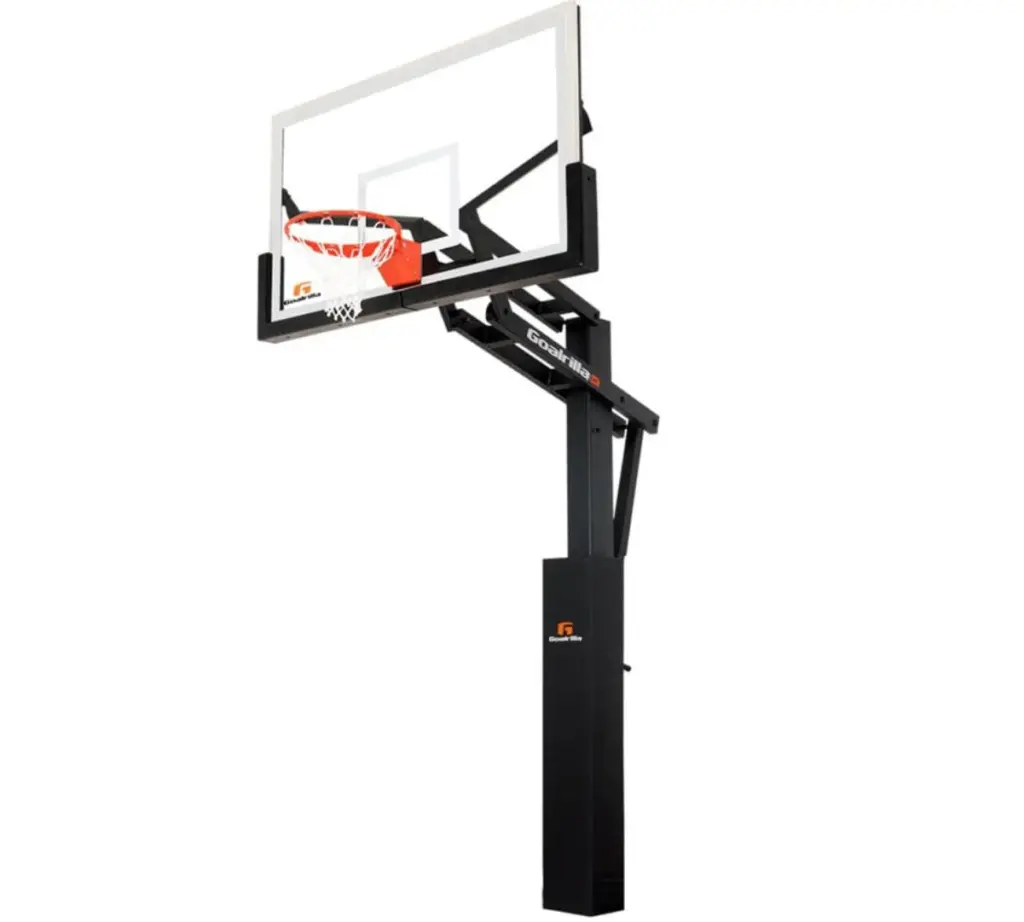
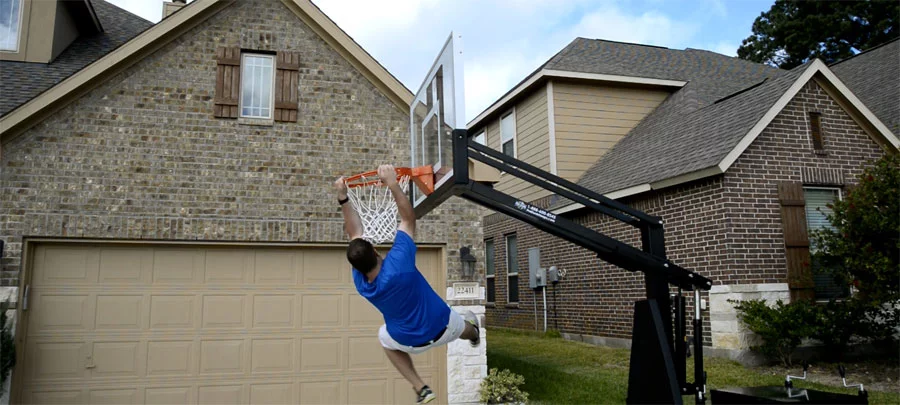
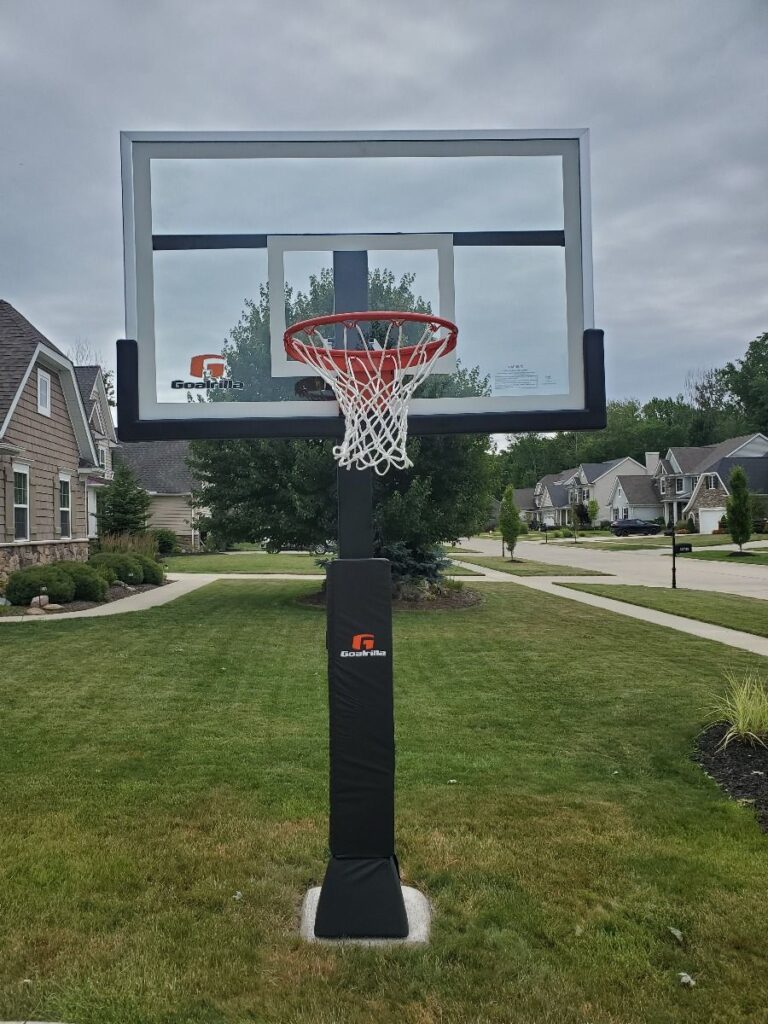
Basketball hoops represent an important part of the overall cost. In ground hoops cost more than portable systems but offer better stability and performance. Professional grade hoops increase price but match regulation standards.
Understanding standard court dimensions also helps during planning. Families can learn more through Basketball Court Size for High School, which explains layout requirements that influence space and cost.
Maintenance and Long Term Expenses
Maintenance affects how much are basketball courts over time. Outdoor courts require occasional cleaning, resurfacing, and repainting. Weather exposure can impact surface condition and line visibility.
Higher quality materials often reduce maintenance frequency. While they cost more upfront, they may lower long term expenses. Planning for maintenance ensures the court remains safe and enjoyable for years.
Commercial and Community Basketball Court Costs
Schools, parks, and community centers face higher costs due to larger scale projects. Commercial courts often include multiple courts, heavy duty fencing, lighting systems, and ADA accessibility features.
When estimating how much are basketball courts for public use, budgets can reach tens or even hundreds of thousands of dollars. These courts support heavy traffic and must meet strict safety standards.
Indoor Basketball Court Costs
Indoor courts cost significantly more than outdoor courts. Flooring systems, climate control, and building construction add major expenses. Indoor courts provide year round access and protection from weather. Because of the high cost, indoor courts are typically built by schools, gyms, and athletic facilities rather than private homeowners.
Comparing DIY Versus Professional Installation
Some families attempt to reduce cost through do it yourself construction. While DIY may lower labor expenses, mistakes can increase long term costs. Improper grading or surface installation leads to drainage and cracking issues.
Professional installation costs more upfront but ensures quality results. When deciding how much are basketball courts, professional expertise often provides better long term value.
Value of Having a Basketball Court at Home
Home basketball courts offer convenience and encourage daily physical activity. Children practice skills regularly without traveling to public courts. Families enjoy bonding through shared play.
Although the initial investment exists, the long term benefits often justify the cost. A well built court adds recreational value and may increase property appeal.
Planning a Court That Fits Your Budget
Careful planning helps control how much are basketball courts. Setting priorities, choosing appropriate materials, and limiting unnecessary features keep costs manageable.
Working with experienced providers simplifies decision making. Families looking for guidance often explore outdoor sports solutions through Kids World Play Systems, where play equipment and court planning focus on safety and durability.
Getting Expert Advice
If you are considering building a basketball court and need guidance on layout, equipment, or installation, you can reach out through the contact page. Expert advice helps avoid costly mistakes and ensures the court meets your needs.
Conclusion
So how much are basketball courts? The answer depends on size, materials, location, and features. Basic residential half courts cost far less than full size or commercial installations, while premium surfaces and accessories increase investment. By understanding these factors, families and organizations can plan a basketball court that fits their budget and supports years of active play. Many parents choose to work with trusted providers like Kids World Play Systems to create safe, durable, and enjoyable basketball spaces at home.
For general guidance on sports construction and facility planning, you can also explore resources from Sports Facilities Advisory, which offers industry insights and planning considerations.