
Who Invented Basketball Game
When people ask who invented basketball game, they usually want to understand how one of the most popular sports in the world began. Basketball did not develop slowly through tradition or cultural evolution like many older games. Instead, it originated from a clear problem that required an immediate solution. Educators needed a safe and engaging indoor sport that students could play during the winter months.
Because of this practical origin, basketball emerged with structure and purpose from the very beginning. The sport emphasized movement, coordination, and teamwork rather than physical dominance. These design choices allowed basketball to grow rapidly in schools, communities, and eventually on a global scale.

The Man Who Invented Basketball Game
Dr. James Naismith invented basketball game in 1891 while working as a physical education instructor at the International YMCA Training School in Springfield, Massachusetts. His supervisor challenged him to create a new indoor activity that would keep students physically active during harsh New England winters. Naismith accepted this challenge with careful planning rather than trial and error.
Naismith brought a thoughtful mindset to the task. He understood that students needed structure and discipline while still enjoying competition. Therefore, he focused on creating a game that rewarded skill and cooperation. This approach separated basketball from more aggressive sports of the time and helped ensure its long term success.
Why Basketball Was Invented
Basketball was invented because existing sports failed to meet indoor safety requirements. Football caused too many injuries when played inside, while gymnastics lacked team interaction. As a result, Naismith needed a sport that balanced activity with control.
To solve this problem, he eliminated tackling and restricted movement with the ball. Players advanced the ball through passing rather than running. Because of these choices, basketball promoted fitness while reducing chaos and injury risk. This careful balance made the game immediately appealing to both students and instructors.
The First Basketball Game Ever Played
The first basketball game took place in December 1891 inside a YMCA gymnasium. Naismith used a soccer ball and attached two peach baskets to the gym’s balcony. Each time a team scored, someone retrieved the ball manually because the baskets had closed bottoms. Despite the simple setup, students responded enthusiastically. They enjoyed the challenge and pace of the game. Because of this positive reaction, instructors continued using basketball during physical education classes. Soon after, other YMCA schools adopted the game.
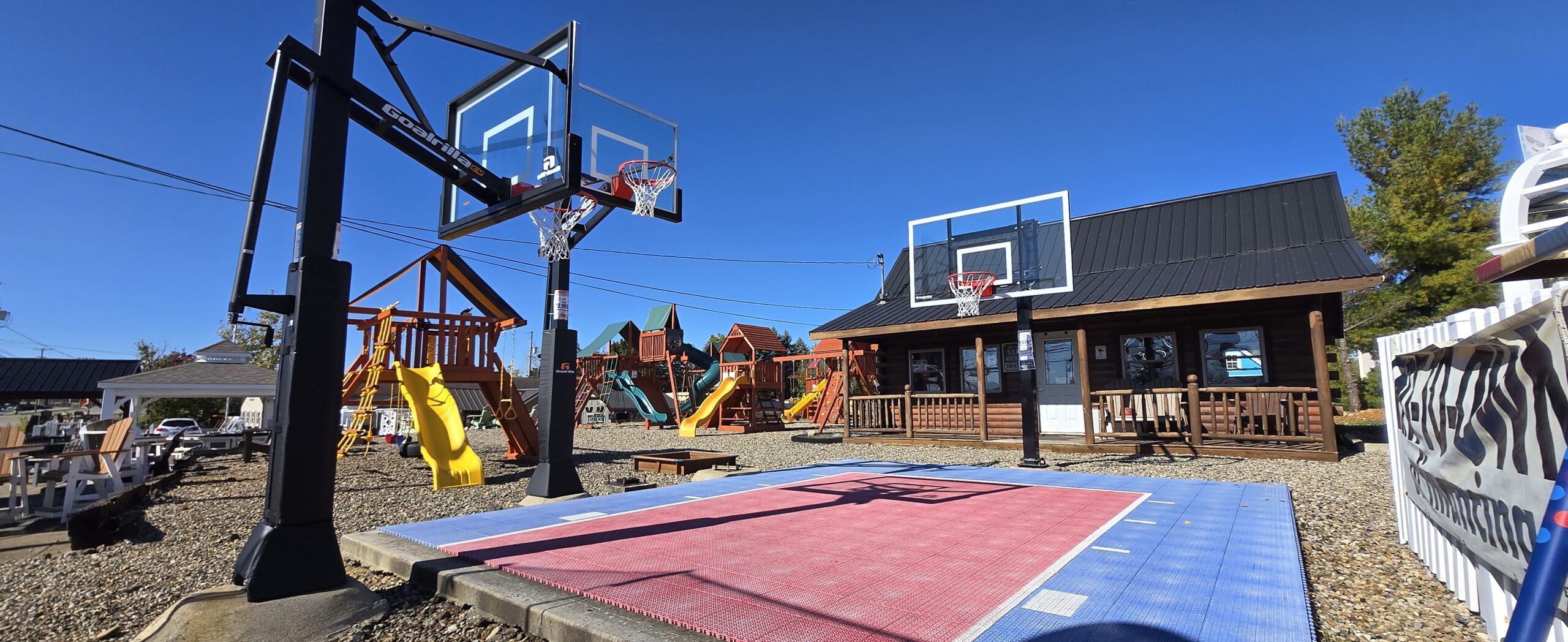
The Original Rules That Shaped Basketball
Naismith wrote thirteen original rules to govern basketball. These rules discouraged physical contact and emphasized passing and positioning. Players could not run while holding the ball, which encouraged strategic movement and teamwork. Over time, basketball evolved to include dribbling and faster transitions. However, the original principles remain visible today. Basketball still rewards cooperation, awareness, and controlled athleticism. Because Naismith designed the game thoughtfully, it adapted without losing its core identity.
How Basketball Spread Through Schools
After its introduction, basketball spread rapidly through YMCA programs across the United States. Physical education teachers appreciated how easily the game fit into gym spaces. In addition, basketball required minimal equipment, which made adoption easy. Colleges soon embraced the sport, leading to organized competition and standardized rules. As more institutions adopted basketball, leagues formed and tournaments followed. Consequently, basketball became a permanent fixture in school athletic programs.
Basketball’s Growth in Communities
Communities quickly recognized basketball’s appeal beyond schools. Public courts allowed people of all ages to participate, which strengthened social connections. Because of its accessibility, basketball became a recreational activity that brought neighborhoods together. To maintain organized play, communities followed basic standards. Understanding gameplay structure, such as how many basketball players are on the court, helped ensure fair and safe games.
The Global Expansion of Basketball
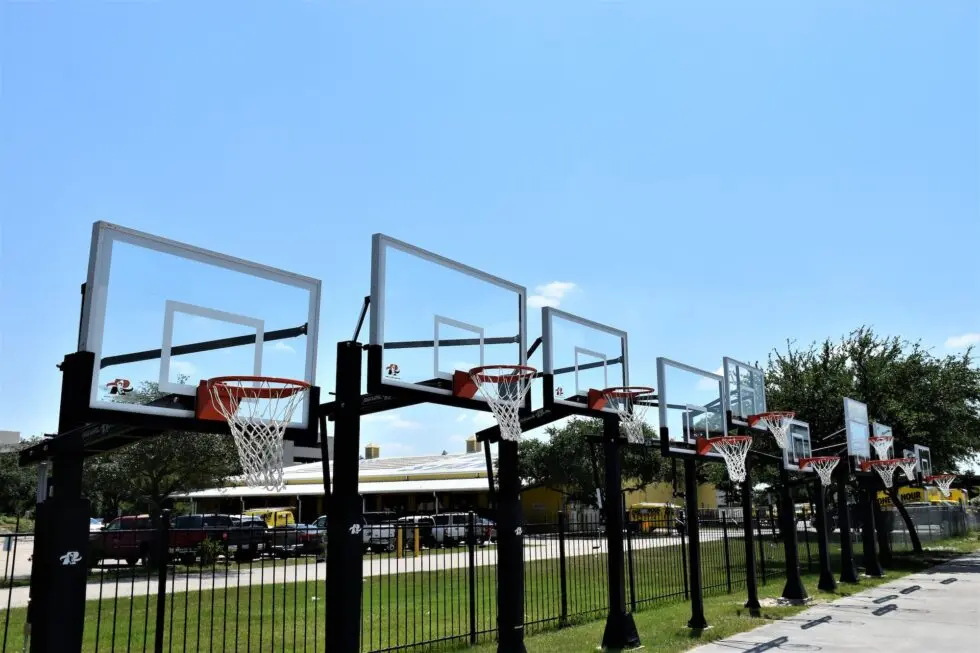
As basketball gained popularity in North America, educators and missionaries introduced the game internationally. Because basketball required little equipment and space, it adapted easily to different cultures. International organizations later standardized rules, which allowed global competition. Basketball eventually joined the Olympic Games, further expanding its reach. Today, millions of people play basketball worldwide because of its simplicity and excitement.
The Evolution of Basketball Equipment
Early basketball equipment differed significantly from modern standards. The original soccer ball limited control and consistency. Manufacturers later developed a ball designed specifically for basketball, which improved handling and performance. Peach baskets eventually gave way to metal rims with nets. Courts gained standardized dimensions to ensure fairness. Because equipment evolved alongside the sport, basketball continued to improve while staying true to its roots.
Basketball in Education and Youth Development
Schools embraced basketball because it supported physical fitness and character development. The game encouraged discipline, teamwork, and strategic thinking. Teachers could adjust rules to accommodate different ages and skill levels. Learning about basketball’s educational roots, including how basketball was created, explains why the sport remains central to school programs today.
Basketball Court Design and Safety
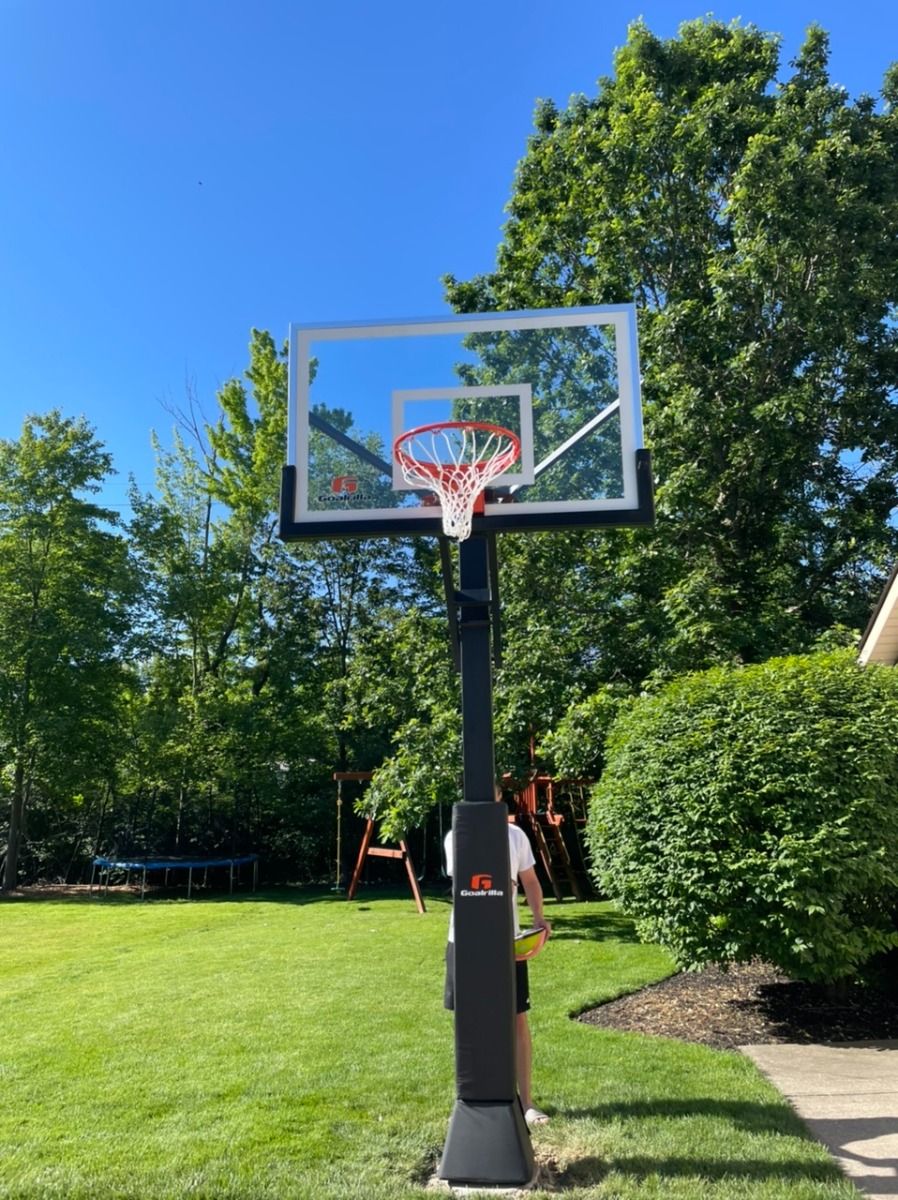
Court design plays an important role in basketball’s success. Proper spacing allows fluid movement and reduces injury risk. Indoor courts support year round play, while outdoor courts increase accessibility. Families and organizations often look to professional standards when building courts. Providers like Kids World Play Systems help create environments that support safe and enjoyable basketball experiences.
James Naismith’s Lasting Influence
Although James Naismith invented basketball game, he never sought wealth or fame from his creation. Instead, he remained focused on education and mentorship. His values emphasized respect, fairness, and personal growth. Because of this philosophy, basketball retained its educational foundation even as it expanded globally. Modern basketball still reflects Naismith’s original vision.
Verified Historical Source on Basketball’s Invention
Reliable historical records document basketball’s invention clearly and consistently. These records preserve details about Naismith’s work and the sport’s early development. You can explore verified historical information through the Naismith Memorial Basketball Hall of Fame, which serves as the authoritative source on basketball history.

Final Thoughts
Understanding who invented basketball game explains why the sport continues to thrive today. James Naismith created basketball intentionally to promote safe, engaging physical activity. Because of his thoughtful design, the game adapted easily to schools, communities, and professional leagues.
For families and organizations interested in building safe basketball environments, planning matters. Visit the official website of Kids World Play Systems to explore solutions that support active play, learning, and long term enjoyment.