
Are Basketball Shoes Good For Running
Basketball shoes are built for power, control, and quick reactions, but many people still wonder if they are suitable for running. Since both activities involve movement on hard surfaces, the confusion is understandable. However, running and basketball place very different demands on the body and footwear. Understanding how basketball shoes perform during running helps prevent discomfort, poor performance, and long term injury.
Purpose of Basketball Shoes
Basketball shoes are designed specifically for the demands of the basketball court. The sport requires frequent jumping, abrupt stops, sharp cuts, and lateral movement. To support these actions, basketball shoes use thick soles, firm cushioning, and reinforced uppers. Many models also include extra ankle padding to reduce the risk of rolling or twisting during aggressive play. This construction focuses on stability rather than flexibility.
The materials used in basketball shoes prioritize durability and lockdown. Players need their feet to stay firmly in place during sudden movements. As a result, basketball shoes often feel stiff and structured compared to other athletic footwear. While these features are excellent for court performance, they are not designed to support repetitive forward motion. This difference in purpose is the foundation of why basketball shoes struggle to perform well for running.
How Running Shoes Are Engineered
Running shoes are engineered to support continuous forward motion over extended periods. Each step in a run places impact on the heel, midfoot, and forefoot in a predictable pattern. To manage this, running shoes feature lightweight materials, flexible soles, and cushioning systems that absorb shock efficiently. The goal is to reduce stress on joints while promoting smooth movement.
Another major difference is breathability. Running generates sustained heat, so running shoes are designed to allow airflow and moisture control. Flex grooves in the sole help the foot move naturally with each stride. These design choices reduce fatigue and help runners maintain proper form. When comparing this to the rigid structure of basketball shoes, the contrast becomes very clear.
Weight and Its Impact on Running
Basketball shoes are significantly heavier than running shoes. This extra weight comes from thicker soles, reinforced uppers, and added ankle support. While weight is not a concern for short bursts on the court, it becomes a major factor during running. Each added ounce increases the energy required for every step.
Over the course of a run, heavier shoes can cause quicker fatigue and reduced efficiency. Runners may feel slower, more tired, and less comfortable. This added strain can also alter running form, which increases stress on the knees and hips. Lightweight footwear is one of the most important features of running shoes, and basketball shoes simply do not meet that requirement.
Cushioning Differences and Joint Stress
Basketball shoes use cushioning designed to absorb impact from jumps and landings. This cushioning is often firm to provide stability when pushing off or landing from height. Running, on the other hand, requires cushioning that absorbs repetitive impact from heel strikes. The difference may seem subtle, but it has a major effect on comfort and injury risk.
When running in basketball shoes, the cushioning may feel harsh or unresponsive. Over time, this can lead to soreness in the feet, shins, and knees. Health experts consistently recommend activity specific footwear to reduce injury risk. According to guidance from the Mayo Clinic, proper running shoes help protect joints and support natural movement patterns.
Flexibility and Natural Foot Motion
Running relies on a smooth heel to toe transition. This motion requires flexibility in the sole of the shoe. Basketball shoes are intentionally stiff to prevent excessive movement during cuts and pivots. While this stiffness improves court control, it interferes with natural running mechanics.
Limited flexibility forces the foot to work harder to move forward. This can cause muscle fatigue and strain, especially during longer runs. Runners may experience tight calves or arch discomfort because the shoe resists natural motion. Over time, this mismatch between shoe design and activity can lead to chronic issues that proper running shoes help prevent.
Short Runs vs Regular Running
Some people use basketball shoes for short runs or quick warm ups. In limited situations, this may not cause immediate problems. A brief jog across a park or a few minutes on a treadmill is unlikely to result in injury for most people. However, comfort and efficiency will still be reduced.
The problem arises when basketball shoes are used for regular or long distance running. Repeated use increases strain on joints and soft tissue. What feels manageable at first can slowly turn into persistent discomfort. For anyone running consistently, basketball shoes should not be considered a suitable option.
Basketball Shoes for General Outdoor Play
Basketball shoes can still serve a purpose outside the court in certain settings. Backyard play often includes short bursts of running, jumping, and quick changes in direction. In these situations, basketball shoes perform well and provide necessary support. This makes them useful for casual activity rather than structured running workouts.
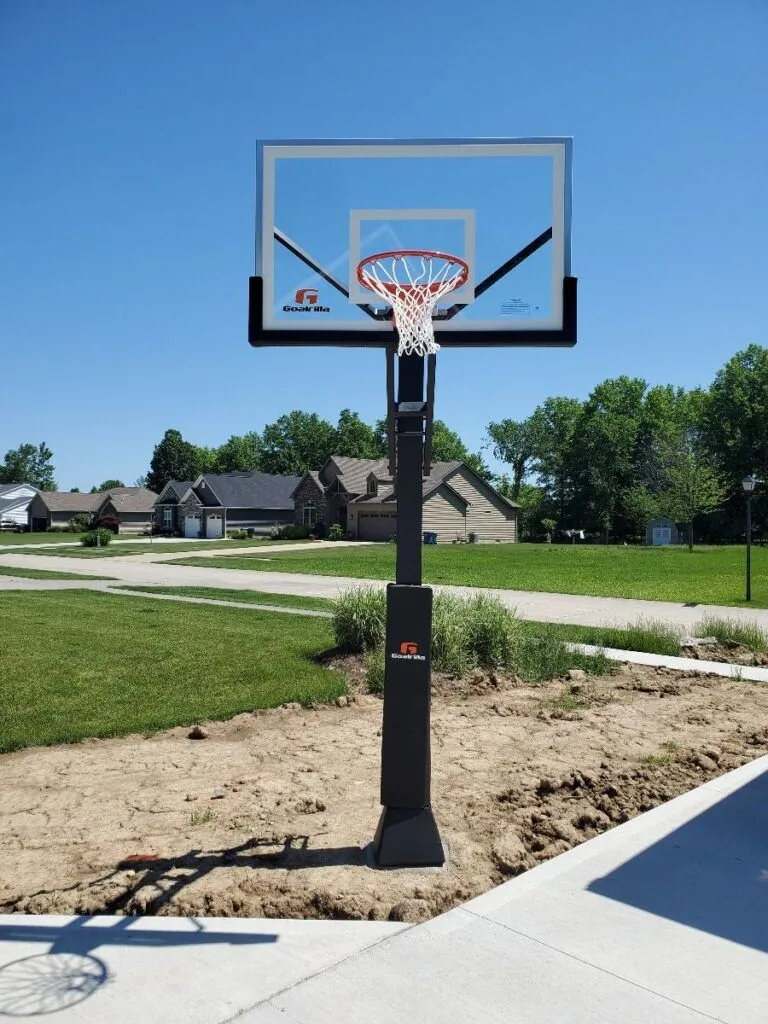
For families with outdoor basketball setups, pairing good footwear with quality equipment enhances safety. A dependable hoop like the Goalsetter X554 supports consistent play and encourages physical activity. Basketball shoes are ideal for these environments, where movement is varied rather than repetitive.
Choosing Shoes for Mixed Activities
People who participate in multiple types of exercise may benefit from cross training shoes. These shoes are designed to handle moderate running, jumping, and lateral movement. They offer a balance between cushioning, stability, and flexibility. While not perfect for long runs, they outperform basketball shoes in mixed activity settings.
Choosing the right footwear depends on how often and how intensely you run. If running is a primary activity, dedicated running shoes are essential. For occasional jogging combined with other sports, cross trainers provide a safer alternative. Making informed choices protects long term joint health.
Long Term Effects of Improper Footwear
Wearing the wrong shoes repeatedly can affect posture, gait, and overall alignment. These changes may not cause immediate pain, but they often lead to issues over time. Knee discomfort, lower back pain, and foot problems frequently stem from improper footwear choices.
Families focused on active lifestyles often explore outdoor play solutions through Kids World Play. Supporting physical activity with appropriate gear helps children and adults stay comfortable and injury free. Proper footwear plays a major role in maintaining long term mobility and enjoyment.
Conclusion
Basketball shoes are built for court performance, not running efficiency or comfort. Their weight, stiffness, and cushioning make them a poor choice for regular running. Choosing footwear designed for your activity helps reduce injury risk and improve performance. For guidance on outdoor sports equipment and active play solutions, contact us at Kids World Play Systems.