
Are Basketball Shoes Good For Volleyball
Volleyball and basketball are both fast paced sports played on hard courts, which is why many players wonder if basketball shoes can work for volleyball. At first glance, the shoes look similar, with strong soles and supportive builds. However, the movements in volleyball differ in important ways from basketball. Knowing whether basketball shoes are good for volleyball helps players protect their feet, improve performance, and avoid unnecessary injuries.
How Volleyball Players Move
Volleyball requires constant jumping, short sprints, quick stops, and rapid lateral movement. Players move forward, backward, and side to side in tight spaces while reacting quickly to the ball. Most of the action happens in short bursts rather than long runs. Shoes worn for volleyball must support fast reactions while allowing smooth foot movement during jumps and landings.
Because volleyball players jump frequently, cushioning and stability are critical. Shoes must absorb impact from repeated landings while keeping the foot balanced. Grip is also important, as slipping on an indoor court can lead to ankle or knee injuries. These requirements help explain why volleyball shoes are designed with flexibility and responsiveness in mind.
Design of Basketball Shoes
Basketball shoes are built for aggressive movement, frequent jumps, and physical contact. They offer strong ankle support, thicker soles, and durable materials to handle intense play. Many basketball shoes feature a higher cut around the ankle to reduce rolling during sharp cuts. This structure makes them excellent for basketball but less adaptable for other sports.
The cushioning in basketball shoes is often firmer to handle explosive jumps and landings from height. While this provides stability, it can limit responsiveness during quick foot adjustments. Volleyball players often need softer, more flexible cushioning to react instantly. This difference in design affects how basketball shoes perform on a volleyball court.
Traction Differences Between Sports
Traction is essential in both basketball and volleyball, but the movement patterns differ. Basketball players make longer cuts and pivots, while volleyball players rely on short, rapid movements. Volleyball shoes typically use gum rubber soles designed to grip indoor courts without sticking too aggressively.
Basketball shoes sometimes have deeper tread patterns meant for both indoor and outdoor use. This can create too much grip or uneven traction on a volleyball court. Poor traction balance can slow reactions or increase injury risk. This is one reason many volleyball coaches recommend sport specific footwear.
Jumping and Landing Support
Both sports involve jumping, but the mechanics are different. Volleyball players jump repeatedly in place, especially during blocking and spiking. Shoes must support vertical movement while allowing quick repositioning after landing. Excessive stiffness can make this harder.
Basketball shoes are designed for jumping while moving forward or sideways. This difference means they may feel bulky during repeated vertical jumps. Over time, players may notice foot fatigue or reduced responsiveness. Choosing footwear that matches jumping style helps improve comfort and endurance.
Ankle Support Considerations
Basketball shoes often emphasize ankle support, especially high top designs. This feature is helpful for basketball players who face frequent contact and aggressive cuts. In volleyball, excessive ankle restriction can interfere with natural movement and quick foot adjustments. Many volleyball shoes use low cut designs to encourage freedom of movement while still offering stability through the sole. Players who switch from volleyball shoes to basketball shoes may feel restricted. This can affect reaction time and overall performance during play.
Comfort During Long Matches
Volleyball matches can last several hours, especially in tournaments. Comfort becomes increasingly important as fatigue sets in. Shoes that are too heavy or stiff can cause foot soreness and leg fatigue over time. Volleyball shoes are typically lighter to reduce strain. Basketball shoes are generally heavier due to added support and padding. While this weight is manageable during basketball games, it can feel tiring during long volleyball sessions. Comfort plays a major role in maintaining focus and performance throughout a match.
When Basketball Shoes May Work
In some cases, basketball shoes can work for volleyball, especially for casual or recreational play. Players who are just starting or playing occasionally may not notice immediate issues. For short sessions, basketball shoes provide enough grip and support. However, for competitive or frequent play, basketball shoes are not ideal. Over time, the differences in cushioning, flexibility, and weight become noticeable. Volleyball specific shoes are better suited for players who train and compete regularly.
Importance of Proper Footwear for Youth
For younger players, wearing the right shoes is especially important. Growing feet are more vulnerable to stress and injury. Youth athletes benefit from footwear designed specifically for their sport to support healthy development. Families who encourage active play often invest in quality sports equipment as well. For basketball practice at home, systems like the Goalsetter X554 provide a safe and durable option. Supporting activity with the right gear helps children stay active and confident.
Multi Sport Use and Home Play
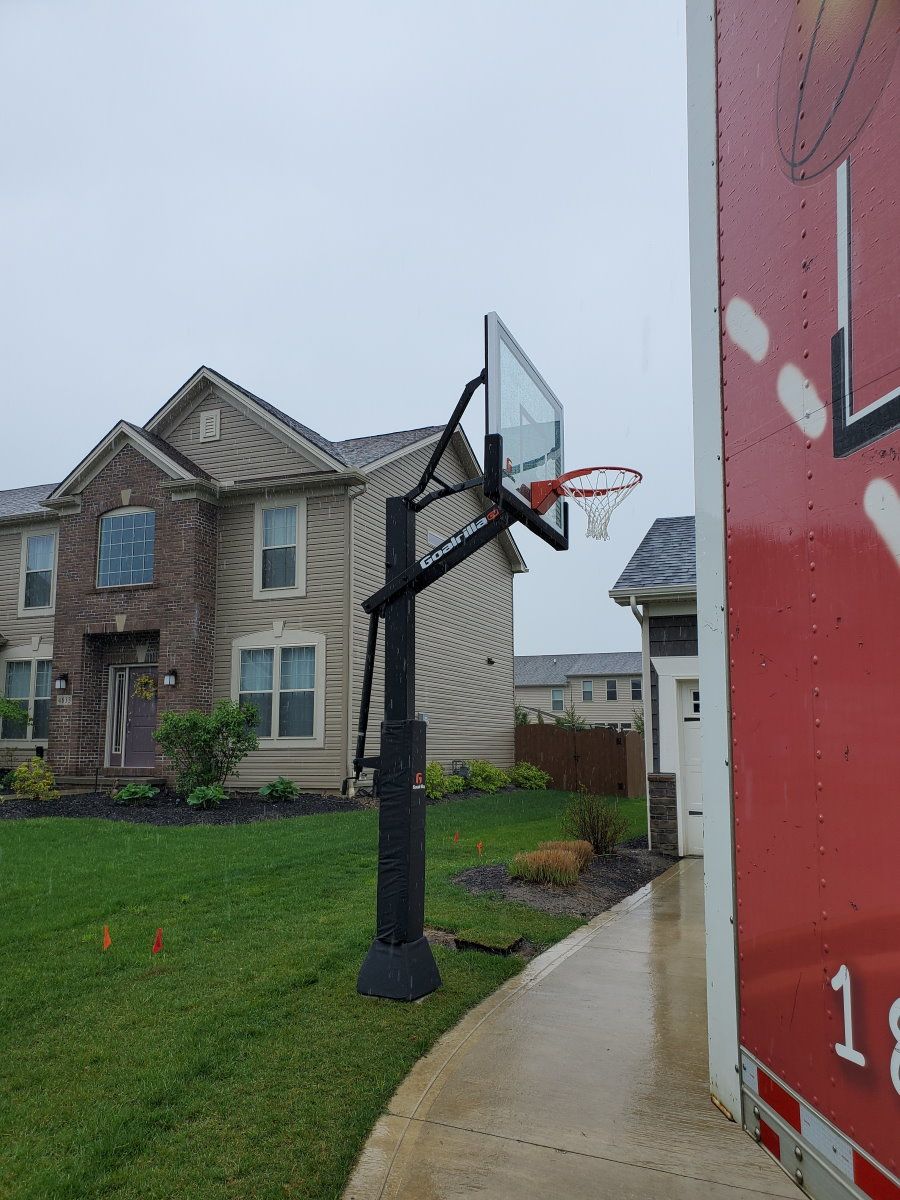
Some families prefer equipment that supports multiple activities. While shoes should remain sport specific, home play areas can be versatile. Outdoor basketball setups encourage movement, coordination, and fitness. Parents exploring backyard play options often look to Goalrilla DC72E1 systems for reliable performance. Combining proper footwear with quality equipment creates a safer and more enjoyable play environment.
Expert Guidance on Sports Footwear
Sports health professionals consistently recommend using shoes designed for the activity being performed. According to guidance from the American College of Foot and Ankle Surgeons, proper athletic footwear helps reduce injury risk and improve performance. Each sport places unique demands on the feet and joints. Ignoring these differences may not cause immediate issues, but problems can develop over time. Choosing the right footwear supports long term comfort and joint health.
Where to Get Help and Advice
Parents and athletes often have questions about sports equipment and outdoor play solutions. Getting expert guidance helps ensure safe and enjoyable activity. Families can reach out directly through the Kids World Play team for advice.
Conclusion
Basketball shoes can work for volleyball in casual situations, but they are not the best choice for regular or competitive play. Differences in cushioning, flexibility, weight, and movement support make volleyball specific shoes a smarter option. Choosing the right footwear helps improve comfort, performance, and injury prevention. For families interested in sports equipment and outdoor play solutions that support active lifestyles, explore the full range of options available at Kids World Play Systems.