
How Running Shoes Should Fit
Properly fitted running shoes protect your feet, improve comfort, and reduce the risk of injury over time. Understanding how running shoes should fit helps runners make smarter decisions before logging miles. A well fitting shoe keeps the heel secure, supports the midfoot, and provides enough room in the toe box for natural movement. Running places repetitive impact on the feet, so even small fit issues can cause discomfort during longer sessions. Choosing the correct size and structure supports smoother strides and better overall performance. Paying attention to these details makes a noticeable difference in both short and long distance training.
Toe Box Space and Front Fit
The toe box should allow your toes to spread naturally without feeling cramped. During running, feet expand slightly because of increased circulation and impact forces. If the front of the shoe feels tight, you may experience pressure pain, black toenails, or blisters. Leaving about a thumb’s width of space between your longest toe and the front edge reduces repeated impact. At the same time, the toe area should not feel excessively wide. Too much room can cause sliding and reduce stability. Balanced space protects circulation while maintaining control. Proper toe box fit plays a major role in preventing common running related injuries.
Heel Security and Stability
The heel should feel snug and stable without rubbing or slipping. When you walk or jog in the shoes, your heel must stay in place. Heel movement often leads to friction and blisters. A structured heel counter supports alignment and distributes impact more evenly through the foot. Many running shoes include padding around the collar to improve comfort. If minor slipping occurs, adjusting lacing patterns may improve lockdown without tightening the entire shoe. Stable heel support improves stride efficiency and reduces strain on the ankles. This secure foundation creates confidence during both short jogs and longer training sessions.
Midfoot Support and Comfort
The midfoot area should wrap comfortably around your arch without creating excessive pressure. Running shoes are designed to provide structure that prevents unwanted foot movement. If the midfoot feels too tight, circulation may decrease and cause numbness. If it feels too loose, your foot may shift inside the shoe, increasing injury risk. A supportive midfoot fit improves energy transfer from heel strike to toe off. Runners should feel secure yet comfortable when standing and jogging lightly. Proper lacing adjustments can relieve pressure points while maintaining overall support. Balanced midfoot stability enhances comfort and performance.
Arch Type and Biomechanics
Your arch type influences how running shoes should fit and function. Runners with high arches often benefit from additional cushioning that absorbs shock effectively. Those with flat feet may need stability features that reduce excessive inward rolling. Neutral arches typically respond well to balanced cushioning designs. Matching footwear to your biomechanics reduces stress on knees and hips. According to the American Podiatric Medical Association, selecting shoes that align with foot structure helps prevent overuse injuries. Understanding your natural stride and arch height improves both comfort and long term joint health.
Choosing the Correct Size
Many runners choose shoes that are slightly larger than their everyday footwear. Feet swell during longer runs, especially in warm conditions. Selecting a half size up often provides additional comfort as circulation increases. Trying shoes on later in the day better reflects running conditions. Always wear the socks you plan to use during workouts when testing fit. A correct size prevents pressure buildup and reduces the risk of black toenails. Runners should feel secure without tightness. Proper sizing supports consistent training without distraction from discomfort.
Testing Shoes Before Buying
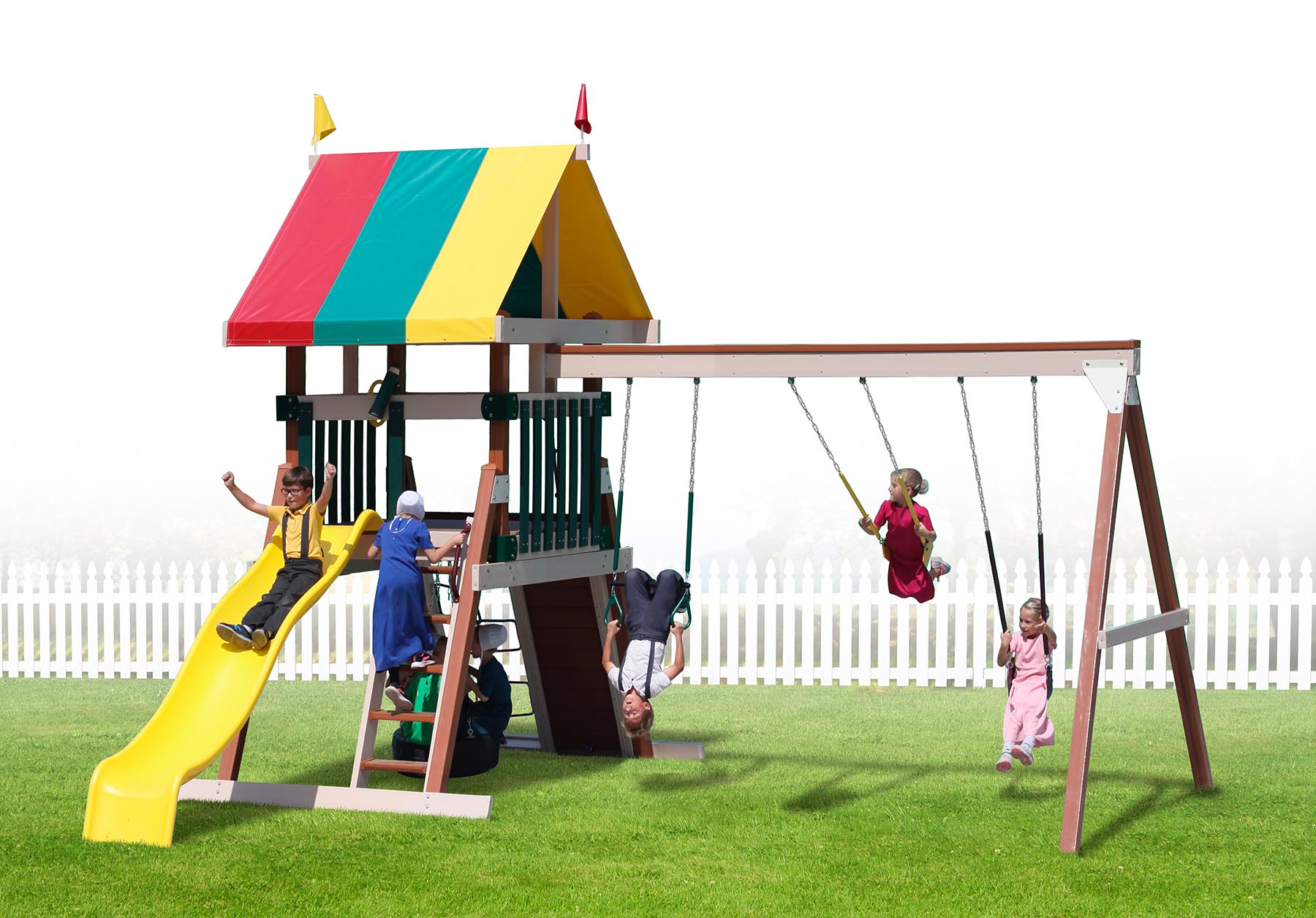
Testing shoes before purchase ensures long term comfort. Walk and jog lightly to evaluate how they feel. Notice any pressure points or instability. Quality running shoes should feel comfortable immediately without a long break in period. Specialty stores often provide gait analysis to help identify the right model. Maintaining overall physical activity also strengthens feet and improves movement patterns. Equipment such as the Backyard Retreat Swing Set – Poly encourages outdoor activity for families and supports active lifestyles that complement running routines.
Monitoring Wear and Replacement
Even properly fitted shoes lose support over time. Most running shoes last between 300 and 500 miles depending on surface and usage. Worn cushioning reduces shock absorption and may increase discomfort. Check the outsole for uneven wear and monitor how your feet feel during runs. Replacing shoes at the right time maintains correct alignment and support. Families who value movement should also invest in durable outdoor equipment. The Excitement Unlimited Swing Set – Poly provides a reliable outdoor play structure that promotes regular activity for children.
When Professional Guidance Helps
Persistent foot pain often signals the need for expert advice. Podiatrists and experienced running store staff can evaluate gait patterns and recommend suitable footwear. Custom orthotics may improve alignment in certain cases. Seeking guidance prevents long term complications and supports better performance. Parents who want to create safe environments that encourage daily movement can reach out through Kids World Play for advice on selecting equipment, such as swing sets, basketball hoops, and trampolines, that support active lifestyles.
Sock Choice and Its Impact on Fit
The type of socks you wear directly affects how running shoes should fit during actual use. Thick cushioned socks take up more internal space and may require slightly more room in the toe box. Thin performance socks create a closer fit and increase ground feel. Moisture wicking materials help prevent blisters by reducing friction inside the shoe. Always try shoes on with the same type of socks you plan to use during runs. This ensures that the sizing feels accurate under realistic conditions. Ignoring sock thickness can lead to tightness or unwanted movement inside the shoe. Proper sock selection works together with shoe structure to maintain comfort and support throughout each training session.
Conclusion
Understanding how running shoes should fit helps runners prevent injury and improve comfort with every step. Secure heels, supportive midfoot structure, and adequate toe space form the foundation of proper fit. Selecting the right size and replacing shoes when worn maintains performance and joint health. To explore outdoor play solutions that encourage active lifestyles for the entire family, visit the Kids World Play Systems.