
Is Jumping On A Trampoline Good Exercise
Is jumping on a trampoline good exercise is a question many families and fitness enthusiasts ask when searching for enjoyable ways to stay active. The answer is yes, but the reasons go beyond simple fun. Trampoline exercise increases heart rate, strengthens muscles, improves coordination, and burns a significant number of calories. Unlike high impact activities such as road running, the trampoline surface absorbs shock, reducing stress on joints. This makes it appealing for both children and adults. When practiced regularly and safely, trampoline workouts support cardiovascular health, muscular endurance, and overall physical development while keeping movement engaging and consistent.
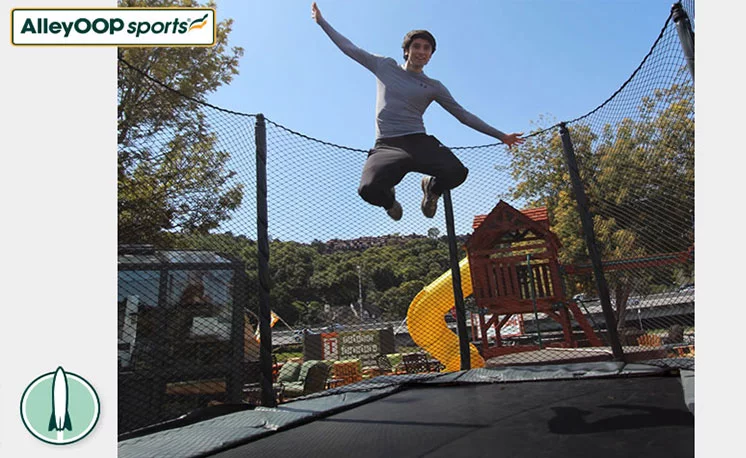
Cardiovascular Conditioning and Heart Health
Jumping on a trampoline raises heart rate quickly and keeps it elevated throughout the session. Each bounce requires oxygen delivery to working muscles, which strengthens the heart over time. Consistent sessions improve circulation and increase lung capacity. Many moderate trampoline workouts reach similar intensity levels as light jogging, yet users often report less joint discomfort. Because the surface absorbs impact, individuals can maintain steady movement for longer periods. This sustained activity supports endurance development and overall cardiovascular conditioning. Over time, improved heart efficiency reduces fatigue during everyday activities and enhances athletic performance in other sports.
How Trampoline Exercise Compares to Running
Many people compare trampoline workouts to running when evaluating fitness benefits. Research has shown that rebounding can provide similar cardiovascular benefits while placing less stress on the joints. Running typically generates greater impact forces through the knees and ankles, while a trampoline absorbs much of that force through the mat and springs. This allows many individuals to exercise comfortably for longer periods. For people seeking a lower impact alternative to traditional cardio workouts, trampoline exercise can be an effective option.
Full Body Muscle Engagement
Trampoline exercise activates several muscle groups at the same time. The legs generate force during takeoff, while the core helps maintain balance and posture. The calves, quadriceps, glutes, and abdominal muscles work continuously throughout each session. Even the arms contribute when used for balance and momentum. This full body involvement helps improve strength, coordination, and overall movement efficiency.
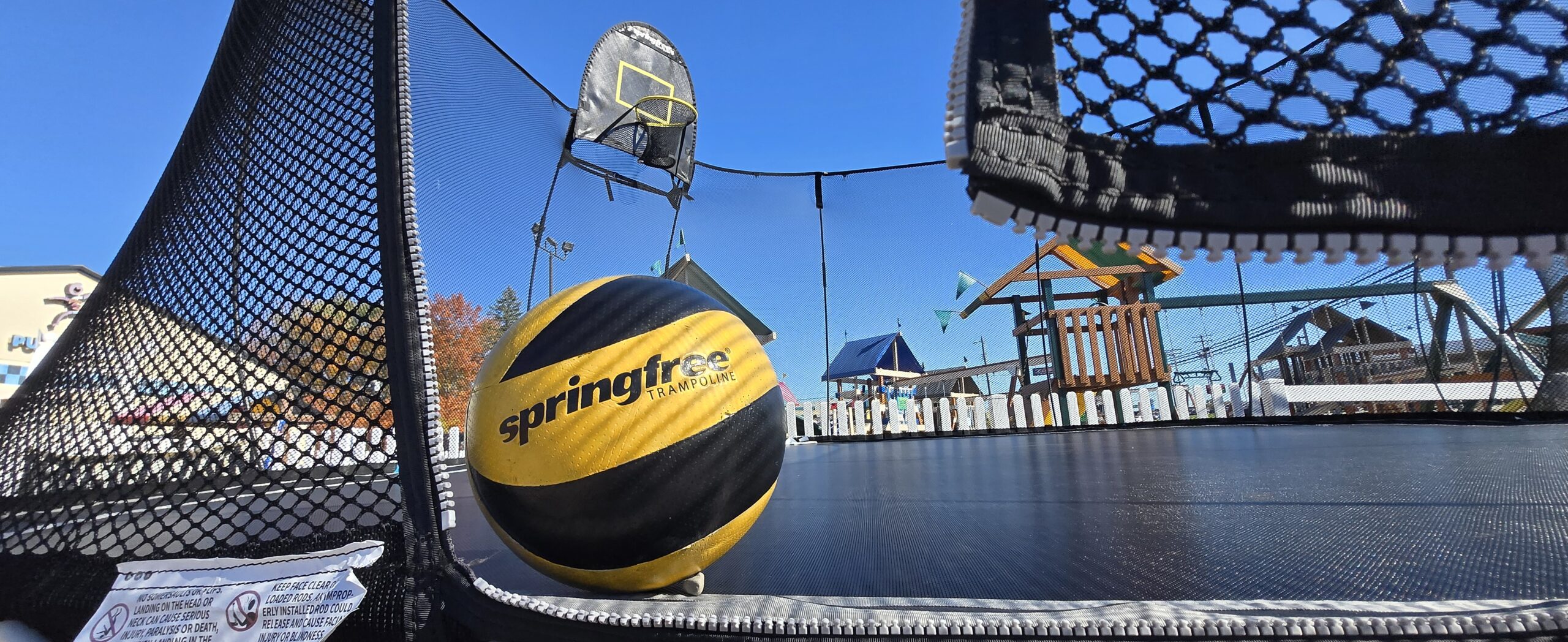
Calorie Burn and Weight Support
Many people wonder is jumping on a trampoline good exercise for weight management. A 30 minute moderate session can burn between 200 and 400 calories depending on body weight and effort level. Higher intensity intervals increase that number even further. Because trampoline exercise feels enjoyable, participants often sustain longer sessions without boredom. Consistency plays a key role in weight support, and trampoline workouts encourage repeat participation. When paired with balanced nutrition, regular jumping contributes to steady calorie expenditure. The combination of cardiovascular effort and muscle activation creates an efficient workout that supports gradual, sustainable results.
Metabolic Boost and Energy Levels
Regular trampoline sessions support metabolic activity beyond the workout itself. When you jump at moderate or high intensity, your body increases oxygen consumption and energy demand. This temporary rise in metabolism can continue even after the session ends. Short interval bursts further stimulate this response by challenging both aerobic and anaerobic systems. As a result, the body works harder to restore balance, which contributes to additional calorie use after exercise. Many participants also notice improved daily energy levels once consistent movement becomes part of their routine. Instead of feeling drained, they experience better circulation and improved oxygen delivery throughout the day. This metabolic response strengthens the case that trampoline workouts offer more than simple recreational movement.
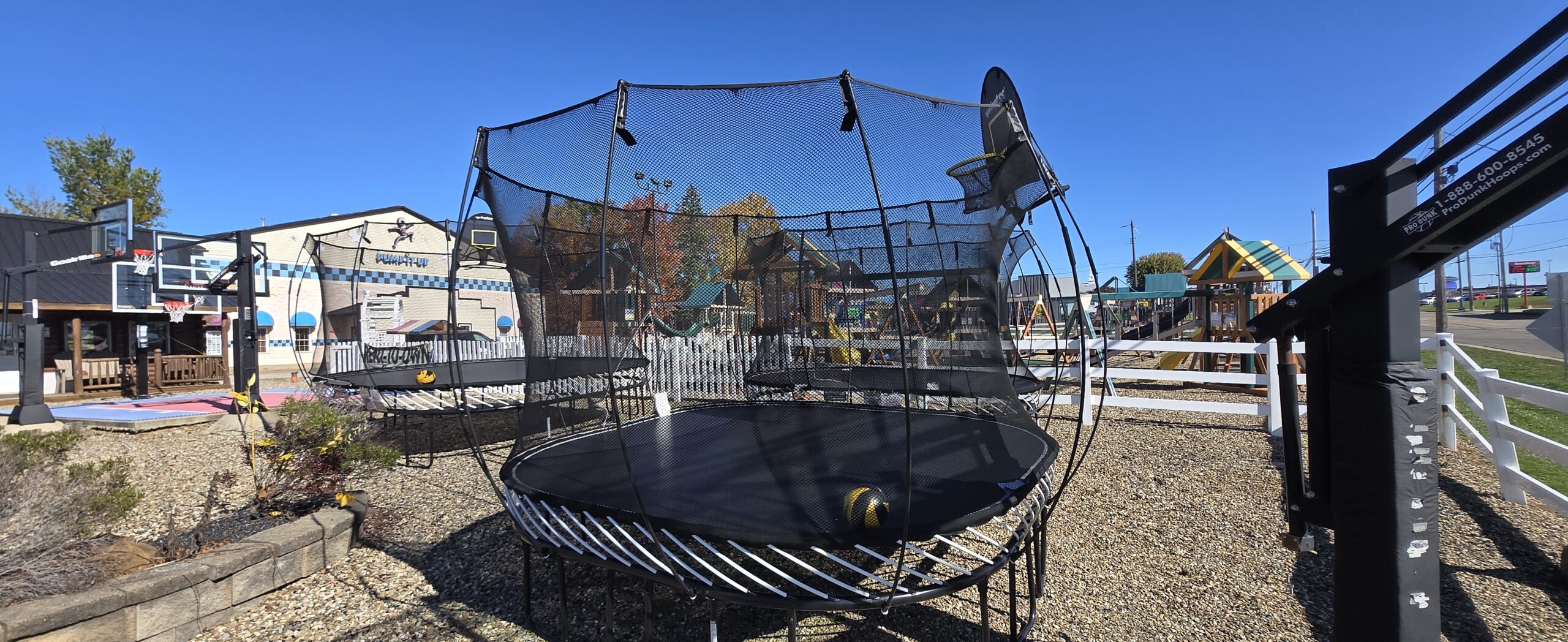
Reduced Impact on Joints
One of the strongest advantages of trampoline workouts is reduced joint stress. The flexible mat absorbs much of the impact that would otherwise travel through knees and hips during hard surface exercise. This cushioning effect allows many people to perform cardio without excessive strain. While proper technique remains important, the surface reduces repetitive shock compared to pavement running. According to guidance shared by the American Council on Exercise, rebounding can provide effective aerobic conditioning while minimizing impact forces. This makes trampoline exercise accessible to a wide range of age groups.
Balance, Coordination, and Motor Skills
Each bounce challenges balance because the surface shifts slightly under the feet. The body must constantly adjust to maintain stability. These rapid adjustments strengthen stabilizing muscles and improve coordination. Children benefit significantly because trampoline play enhances motor skill development and body awareness. Adults also gain improved balance, which supports injury prevention in everyday life. The neuromuscular engagement required during jumping goes beyond simple cardio. It trains the body to react quickly and efficiently. This combination of physical and neurological benefits adds depth to the answer when asking is jumping on a trampoline good exercise.
How Much Trampoline Exercise Is Recommended?
The ideal amount of trampoline exercise depends on age, fitness level, and personal goals. Many adults can benefit from 20 to 30 minutes of moderate jumping several times per week. Children often achieve benefits through active play sessions that encourage movement and coordination. Beginners should start with shorter sessions and gradually increase duration as endurance improves. Consistency matters more than intensity, especially when building long term fitness habits.
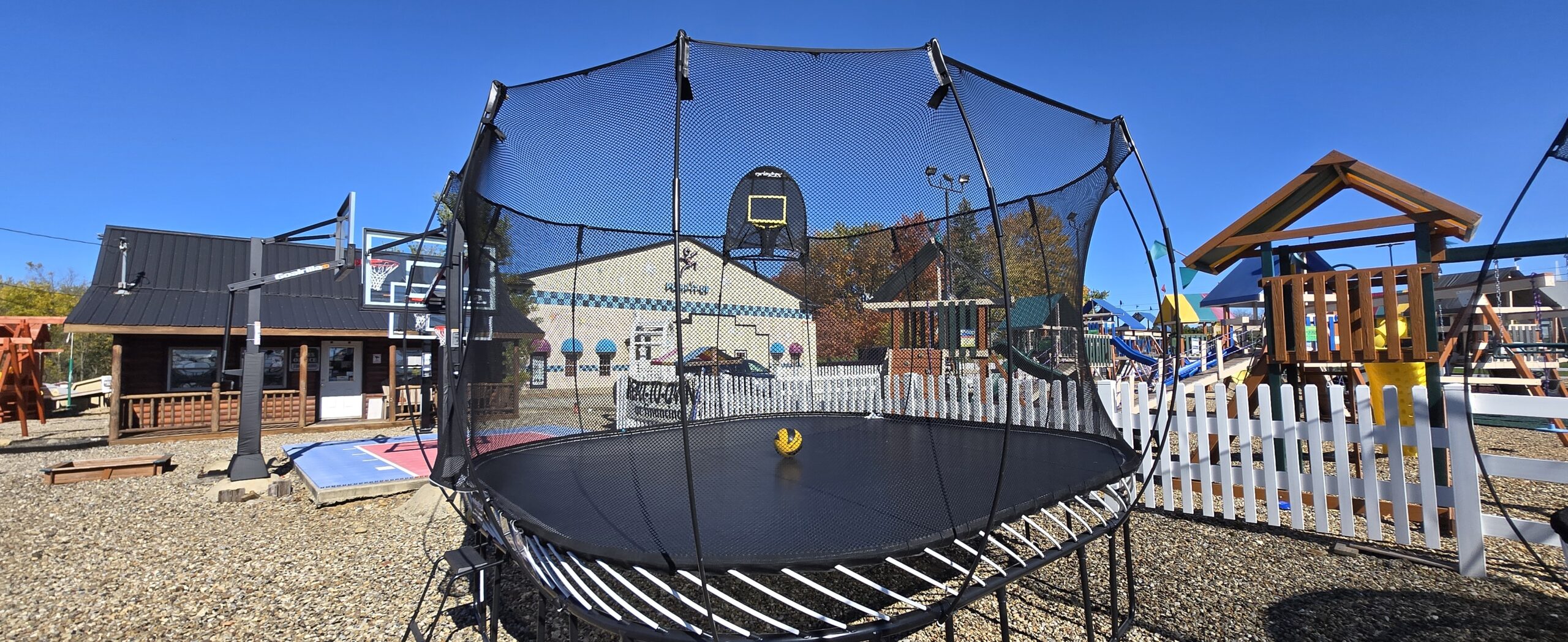
Encouraging Consistent Family Activity
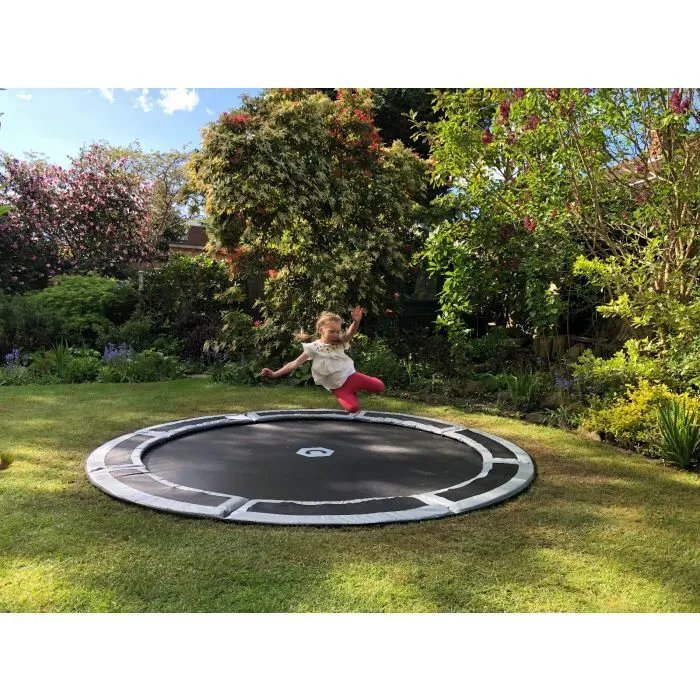
Trampolines create an inviting space for family movement. When exercise feels like recreation, participation increases naturally. A model such as the 12 ft X 8 ft North Inground Trampoline – Rectangle provides a stable and spacious jumping area suitable for both structured workouts and casual play. Its inground design improves safety and blends into backyard environments. Families who schedule regular jumping sessions often notice improved energy and stronger engagement among children. Building movement into daily routines supports long term physical development.
Choosing Durable Equipment for Long Term Use
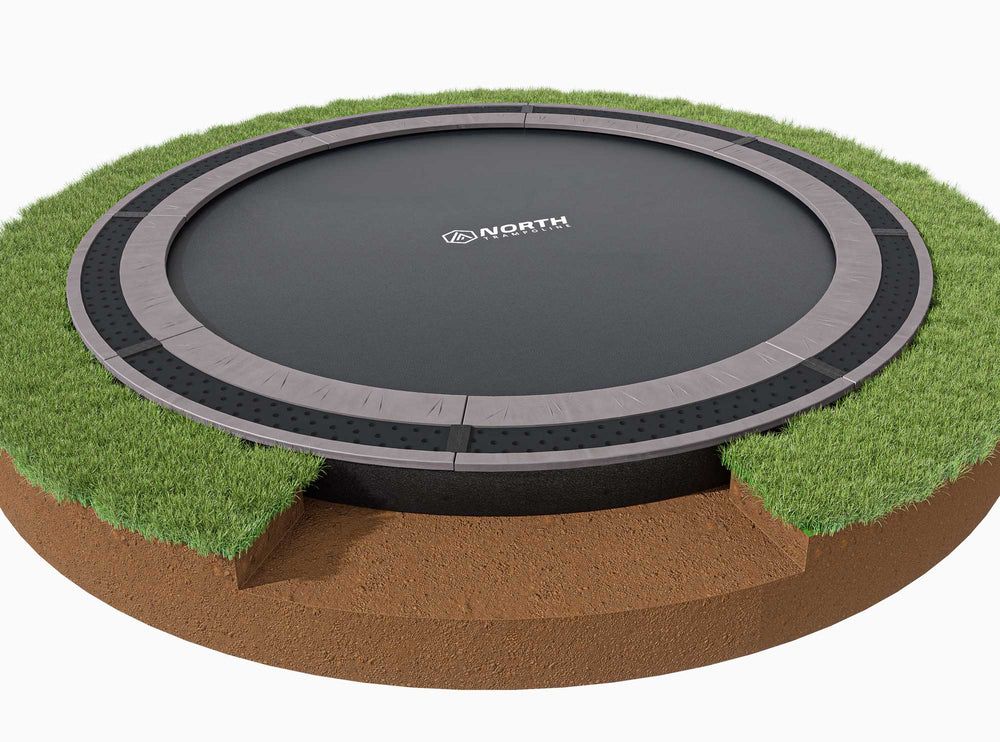
Safe and durable equipment plays a major role in maintaining consistent exercise habits. Larger models such as the 14 ft North Inground Trampoline – Round offer generous space for varied jumping patterns and controlled routines. A stable frame and secure spring system ensure reliable performance during higher intensity sessions. Installing the trampoline on level ground enhances stability and reduces uneven bounce. Families who want professional guidance when selecting equipment or planning installation can reach out through Kids World Play for expert assistance tailored to their space.
Long Term Fitness Benefits
Over time, consistent trampoline exercise builds endurance, strength, and confidence. Regular sessions improve heart efficiency and muscular coordination. Because the activity remains enjoyable, many people sustain participation longer than traditional workouts. This long term consistency drives meaningful results. Trampoline routines can adapt to different fitness levels, from gentle bouncing to structured interval training. As skill improves, participants can increase intensity safely. This flexibility supports gradual progression without overwhelming beginners. When evaluating is jumping on a trampoline good exercise, the combination of physical benefits, low impact design, and enjoyment makes a strong case for its effectiveness.
Mental Health and Mood Benefits
Trampoline exercise also supports mental well being. Physical activity stimulates the release of endorphins, which improve mood and reduce stress. The rhythmic motion of jumping creates a light, repetitive pattern that many people find calming and energizing at the same time. Because trampoline sessions often feel playful rather than forced, participants associate movement with enjoyment instead of pressure. This positive connection increases the likelihood of long term consistency. Children benefit from improved focus and reduced restlessness after active play. Adults often report feeling refreshed after short jumping sessions. When evaluating is jumping on a trampoline good exercise, the mental benefits add meaningful value alongside the physical advantages.
Conclusion
Is jumping on a trampoline good exercise becomes clear when examining its cardiovascular conditioning, muscle activation, calorie burn, and reduced joint stress. Regular jumping improves endurance, balance, and overall strength while keeping movement enjoyable. With proper equipment and safe practices, trampoline workouts support both fitness goals and active family lifestyles. To explore high quality trampolines and outdoor play solutions designed for long term activity, visit the Kids World Play.