
How To Assemble A Trampoline
Assembling a trampoline requires careful preparation, the right tools, and attention to safety. Learning how to assemble a trampoline correctly ensures long term durability and stable performance. While most modern trampolines include detailed instructions, the process still demands patience and proper setup. A level surface, secure frame connections, and evenly installed springs all affect bounce quality and safety. Rushing installation can lead to uneven tension or structural weakness. Taking the time to follow each step properly protects both the equipment and the people who will use it. A well assembled trampoline supports safe and enjoyable activity for years.
Choose the Right Location First
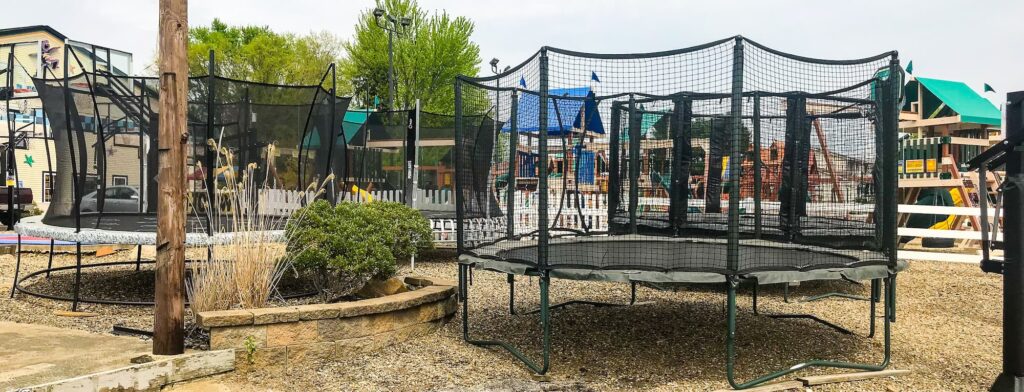
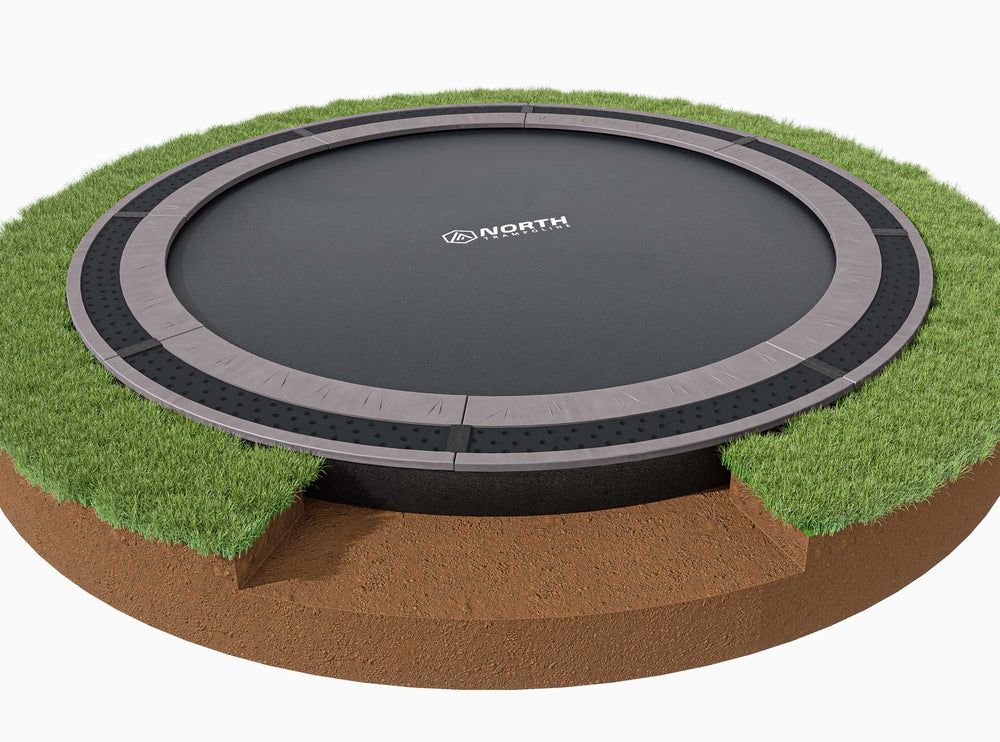
Before beginning assembly, select a flat and stable area in your yard. The ground should remain level and free from rocks, roots, or debris. Installing on uneven terrain can create imbalance and stress on the frame. Maintain clear space around the trampoline to prevent contact with fences, trees, or other structures. Adequate overhead clearance is also important to avoid hazards during jumping. Some families choose inground installation for added stability and improved appearance. Taking time to prepare the location reduces future adjustments and ensures that the trampoline remains secure throughout regular use.
Lay Out All Parts and Tools
Organize all components before beginning assembly. Identify the frame sections, legs, springs, jumping mat, and safety enclosure parts. Review the instruction manual thoroughly to understand the sequence of steps. Most trampoline kits include a spring pulling tool, but additional tools such as gloves and a rubber mallet can improve comfort and efficiency. Laying out parts in order prevents confusion during installation. Missing components should be identified before construction begins. Careful preparation speeds up the process and minimizes errors that could compromise safety or stability.
Assemble the Frame Structure
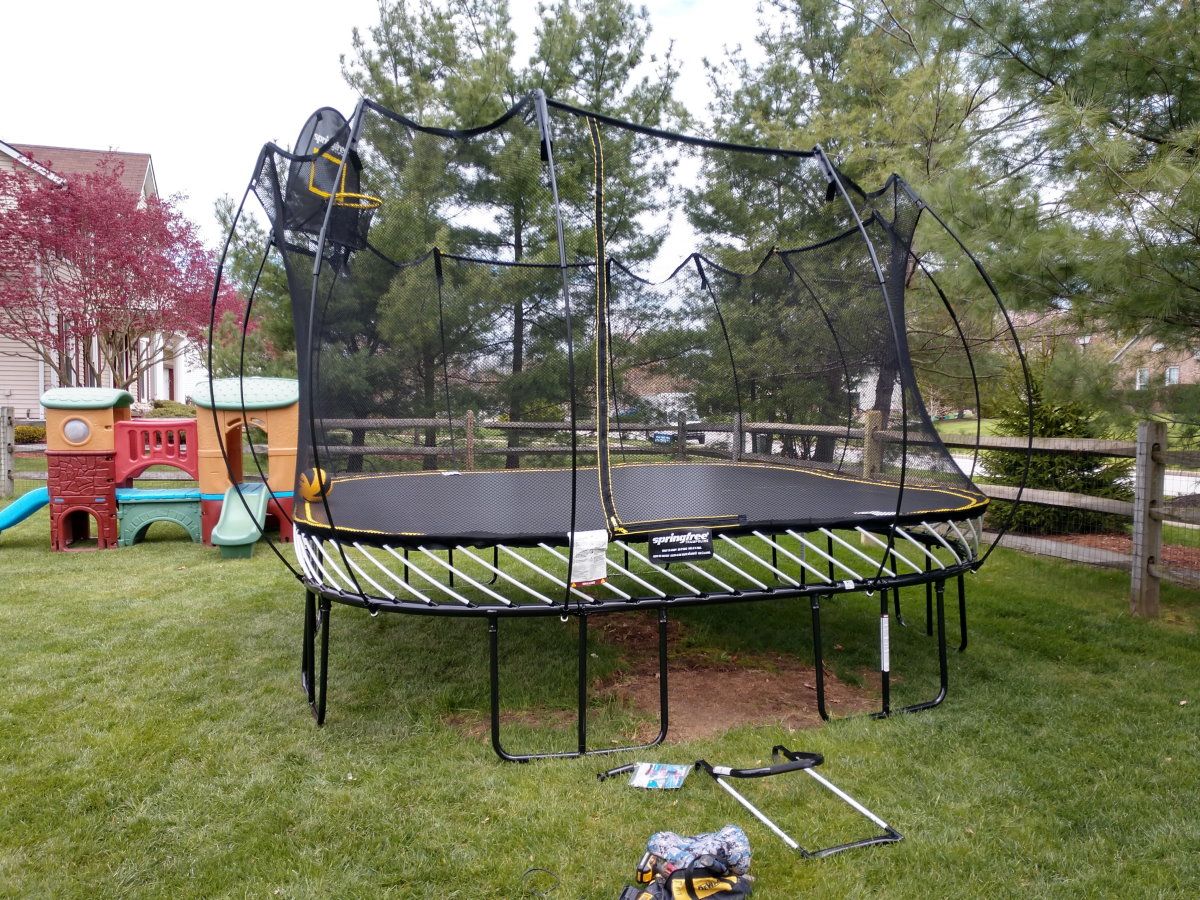
Start by connecting the circular or rectangular frame sections on the ground. Ensure each joint locks securely into place according to manufacturer guidelines. Attach the legs evenly around the perimeter to support balanced weight distribution. Double check that all connections fit tightly before proceeding. A stable frame provides the foundation for the entire trampoline. If the base shifts during assembly, recheck alignment before adding additional components. Strong frame construction supports consistent bounce and reduces stress on individual joints during use.
Attach the Jumping Mat and Springs
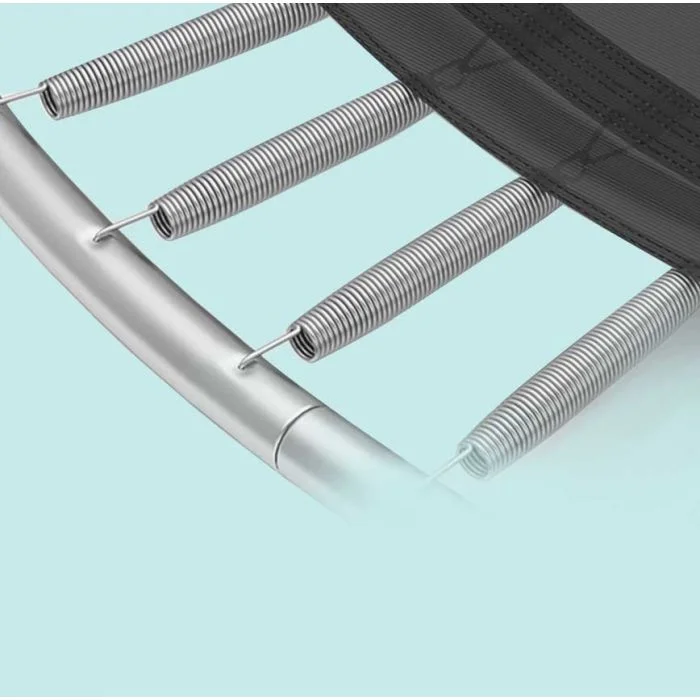
Once the frame is secure, position the jumping mat at the center. Attach springs one at a time, starting across from each other to maintain even tension. Alternating sides prevents imbalance and makes installation smoother. Use the spring tool to protect your hands and maintain control. Continue attaching springs evenly until all are secured. Proper spring placement ensures balanced bounce and structural integrity. Uneven tension can affect performance and increase wear on specific sections. Taking care during this step improves long term durability and safety.
Check Frame Alignment Before Adding the Enclosure
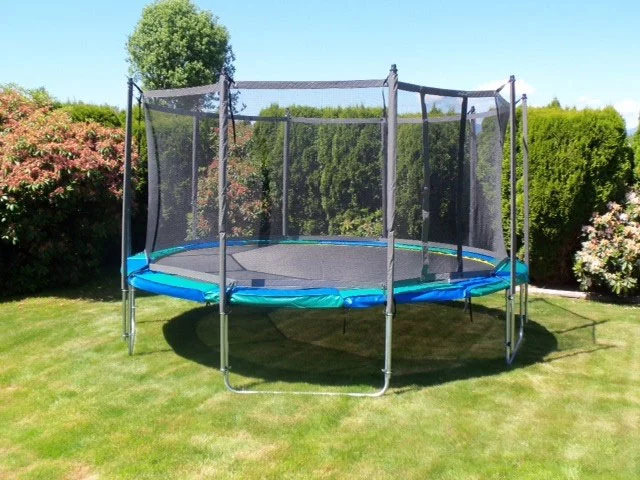
Before installing the safety enclosure, take a moment to verify that the frame sits evenly on the ground and that all legs make firm contact with the surface. Walk around the trampoline and apply light pressure to different sections of the frame to check for wobbling or uneven weight distribution. If one side feels unstable, adjust the leg positioning or level the ground beneath it. Proper alignment ensures balanced tension across the springs and improves overall bounce performance. Skipping this step can create uneven stress on the frame, which may reduce long term durability. Confirming alignment at this stage prevents structural issues later and makes enclosure installation smoother and more secure.
Install the Safety Enclosure
The safety enclosure plays a critical role in protecting users from falls. Secure the enclosure poles to the frame according to instructions. Attach the netting firmly and check for gaps or loose connections. A well installed enclosure keeps jumpers safely within the designated area. Inspect zippers and entry points to confirm smooth operation. Proper enclosure installation significantly reduces the risk of accidental falls. According to guidance shared by the U.S. Consumer Product Safety Commission, supervision and safety nets contribute to safer trampoline use.
Consider Inground Installation Options
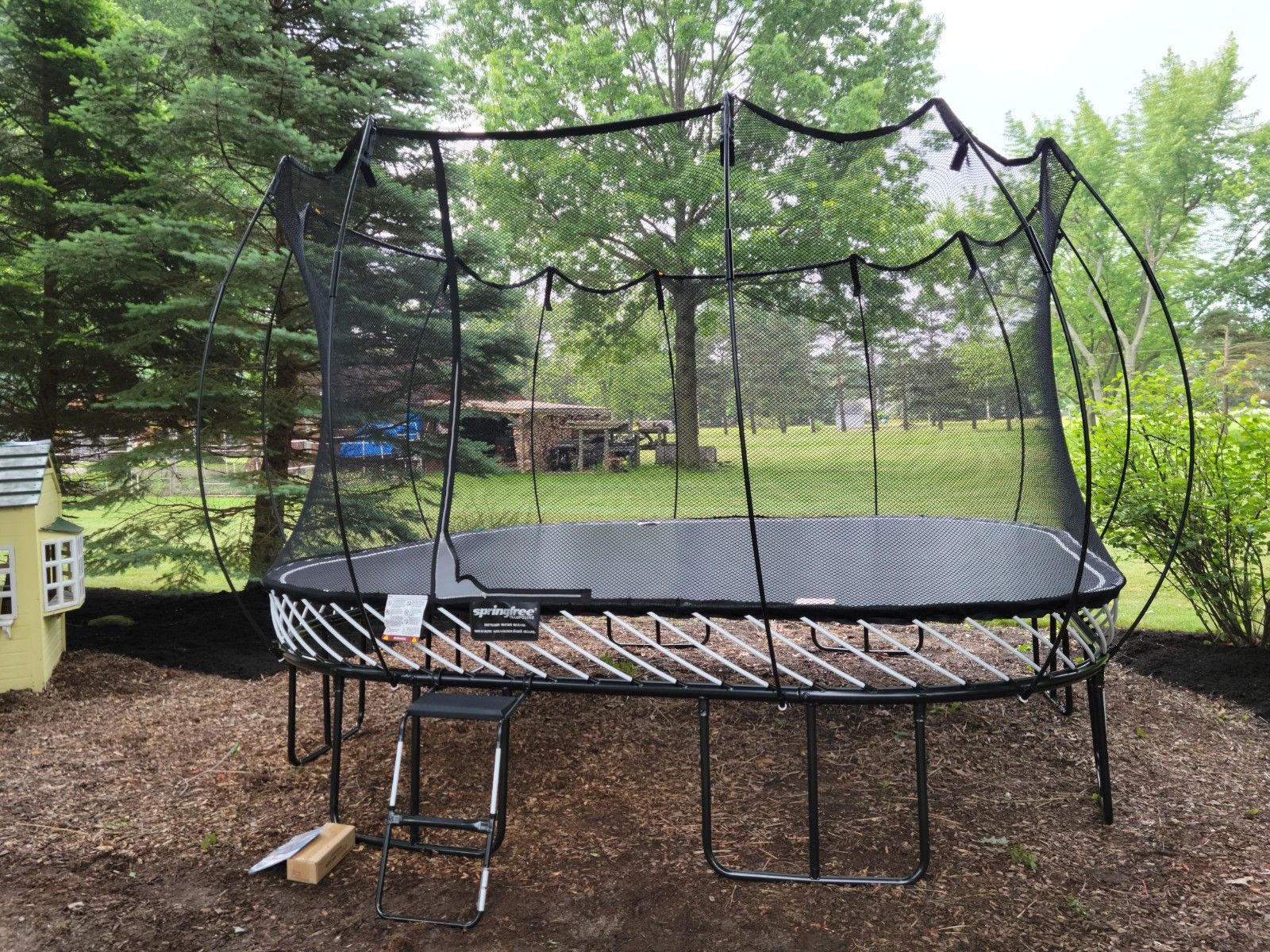
Some homeowners prefer inground trampolines for improved stability and appearance. A model such as the 12 ft X 8 ft North Inground Trampoline – Rectangle offers a streamlined design that integrates into the yard. Inground installation requires excavation and proper drainage planning to prevent water accumulation beneath the mat. This setup lowers the jumping surface closer to ground level, which may reduce fall height. Professional guidance can help ensure proper placement and structural support for long term performance.
Final Inspection and Testing
After assembly, conduct a thorough inspection before allowing anyone to jump. Check all frame connections, spring attachments, and enclosure fastenings. Press down gently on the mat to confirm even tension. Walk around the trampoline to ensure legs remain stable and level. Larger models such as the 14 ft North Inground Trampoline – Round require careful testing due to increased surface area. Taking time for final inspection prevents small issues from becoming safety concerns. Regular maintenance checks after installation further extend equipment lifespan.
When to Seek Professional Assistance
While many families assemble trampolines independently, some installations benefit from professional support. Inground setups or larger models may require advanced preparation. If you feel uncertain at any stage, seeking assistance improves safety and efficiency. Parents planning backyard play spaces can reach out through Kids World Play for expert advice. Professional guidance ensures proper installation and long term stability. Investing in correct setup protects both users and equipment.
Ongoing Maintenance After Assembly
Proper maintenance after installation helps extend the life of your trampoline and keeps it safe for regular use. Inspect the springs and frame connections every few weeks to ensure they remain secure. Look for signs of rust, loose bolts, or worn stitching on the jumping mat. Cleaning debris from the surface prevents unnecessary wear and improves traction. During severe weather, remove accessories or use protective covers when possible. Seasonal checks allow you to address minor issues before they develop into larger problems. Consistent maintenance preserves bounce quality and structural stability. Taking a few minutes to inspect the trampoline regularly protects both the equipment and the people who enjoy it.
Conclusion
Understanding how to assemble a trampoline properly ensures stability, safety, and long term performance. Choosing the right location, securing the frame, installing springs evenly, and attaching the enclosure correctly all contribute to reliable use. Careful inspection after installation further protects jumpers. With proper setup and maintenance, a trampoline becomes a durable and enjoyable addition to any backyard. To explore high quality trampolines and outdoor play solutions designed for safe family activity, visit the Kids World Play.