
How To Do A Backflip On A Trampoline
Learning how to do a backflip on a trampoline takes patience, strength, and controlled progression. A backflip, often called a back tuck, combines vertical lift, backward rotation, and stable landing mechanics. While trampolines provide a softer and more forgiving surface than solid ground, they do not eliminate risk. Proper preparation and steady skill development reduce the chance of injury and increase confidence. Before attempting a full rotation, you must build strong jumping fundamentals and body awareness. With correct technique and supervision, many beginners can gradually develop this skill in a safe and structured way.
Build a Strong Vertical Jump First
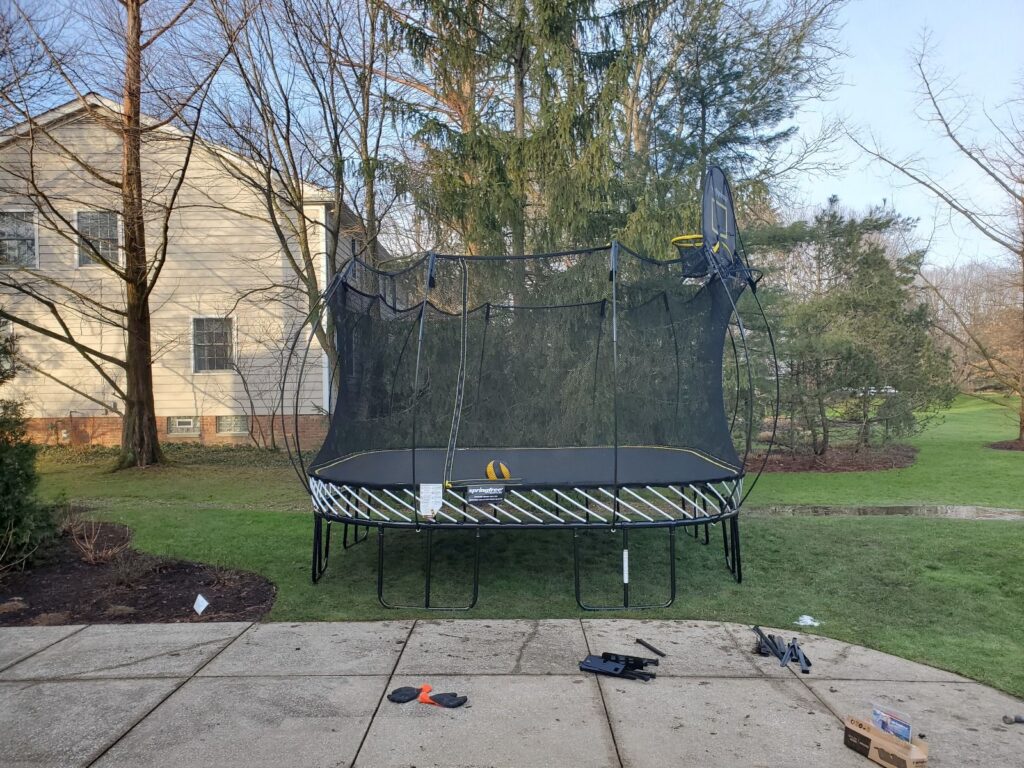
Before focusing on rotation, you must control your vertical height. A powerful and consistent straight jump forms the foundation for learning how to do a backflip on a trampoline. Practice jumping straight up while keeping your body aligned and your core tight. Swing your arms upward with force to generate lift. Land softly with knees slightly bent and feet centered on the mat. Repeating controlled straight jumps strengthens leg muscles and improves balance. Without adequate height, rotation becomes rushed and unsafe. Spend time perfecting upward momentum before introducing backward movement. Height creates time, and time allows safe rotation.
Develop Comfort with Backward Motion
Many beginners hesitate because backward rotation feels unnatural. To build confidence, practice controlled backward drills before attempting a full flip. Begin with seated drops or back drops on the trampoline, then return to your feet. These drills help your body understand backward movement while maintaining control. You can also practice backward rolls on a padded mat to strengthen spatial awareness. Comfort with backward motion reduces fear and improves reaction time. Gradual progression builds muscle memory and confidence. Never skip this stage, as familiarity with rotation direction plays a key role in executing a clean backflip.
Arm Swing and Takeoff Technique
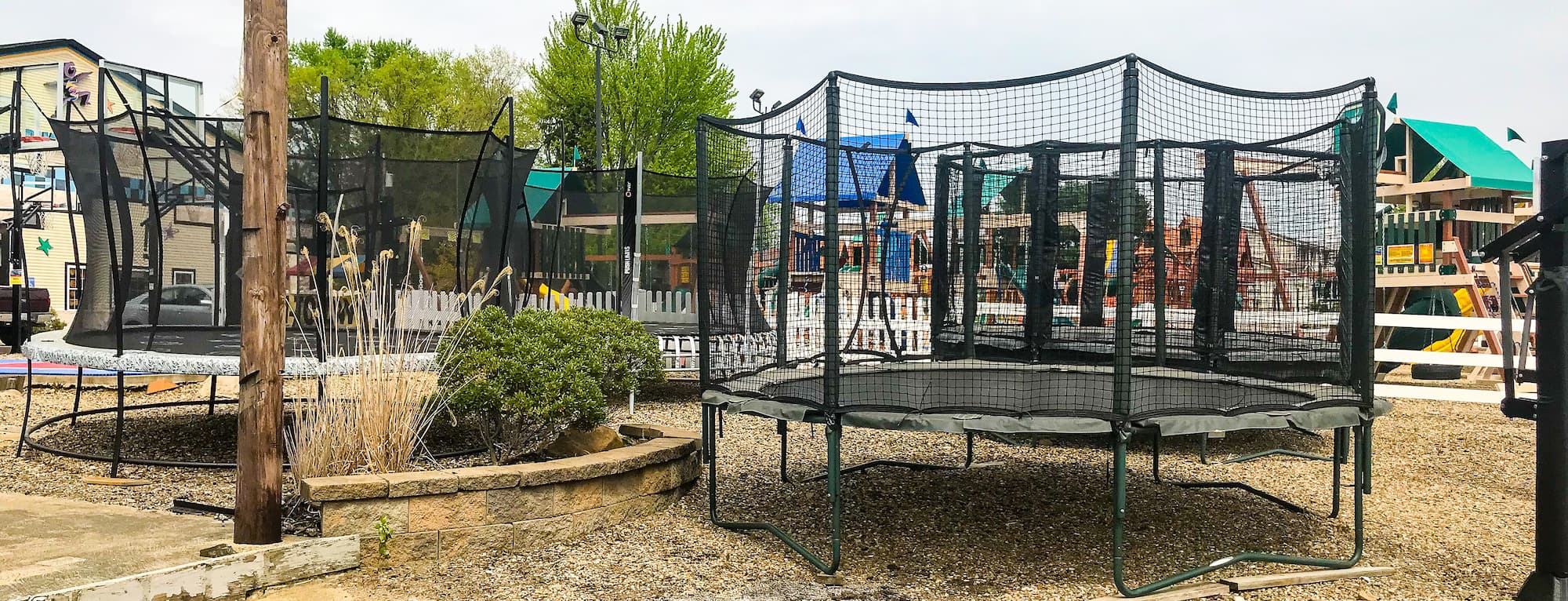
Proper takeoff determines the success of your rotation. Stand upright and bend your knees slightly before jumping. Swing your arms aggressively upward as you push through your legs. Focus on jumping straight up before leaning backward. Many beginners make the mistake of throwing their head back too early. This reduces vertical lift and shifts balance backward prematurely. Instead, maintain upward drive first. Once you reach peak height, initiate rotation. Strong takeoff mechanics provide the height and control needed for safe flipping. Practicing explosive but controlled jumps improves timing and coordination.
Executing the Tuck Position
After reaching maximum height, bring your knees toward your chest and lightly grab them to form a tuck. This position increases rotation speed and keeps your body compact. Keep your chin slightly tucked rather than throwing your head backward. Controlled head position maintains alignment and prevents over rotation. Spot the mat as you complete the turn. Release the tuck at the correct moment to extend your legs for landing. Timing is critical when learning how to do a backflip on a trampoline. Practicing tight tuck drills improves rotational speed and consistency over time.
Controlled Landing Mechanics
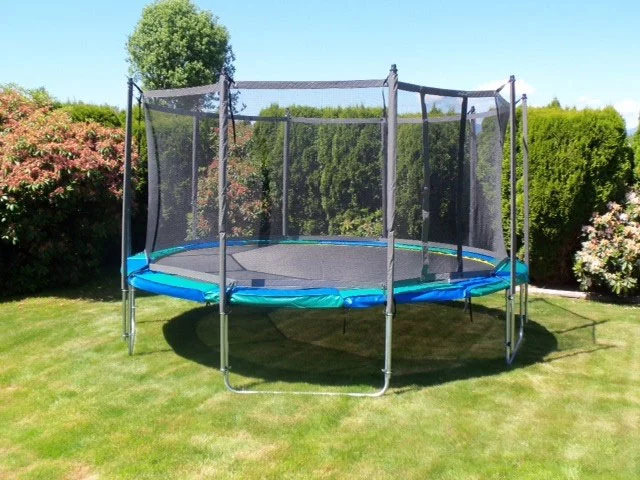
Landing safely completes the skill. As you finish rotation, extend your legs downward and prepare to absorb impact. Bend your knees slightly upon contact to reduce stress on joints. Keep your chest upright and eyes forward to maintain balance. Avoid locking your knees or leaning too far forward. Repeated landing practice strengthens stability and reduces fear. If you consistently under rotate or over rotate, return to earlier progression drills. Safe landings protect your ankles and knees while reinforcing correct technique.
Choosing the Right Trampoline for Practice
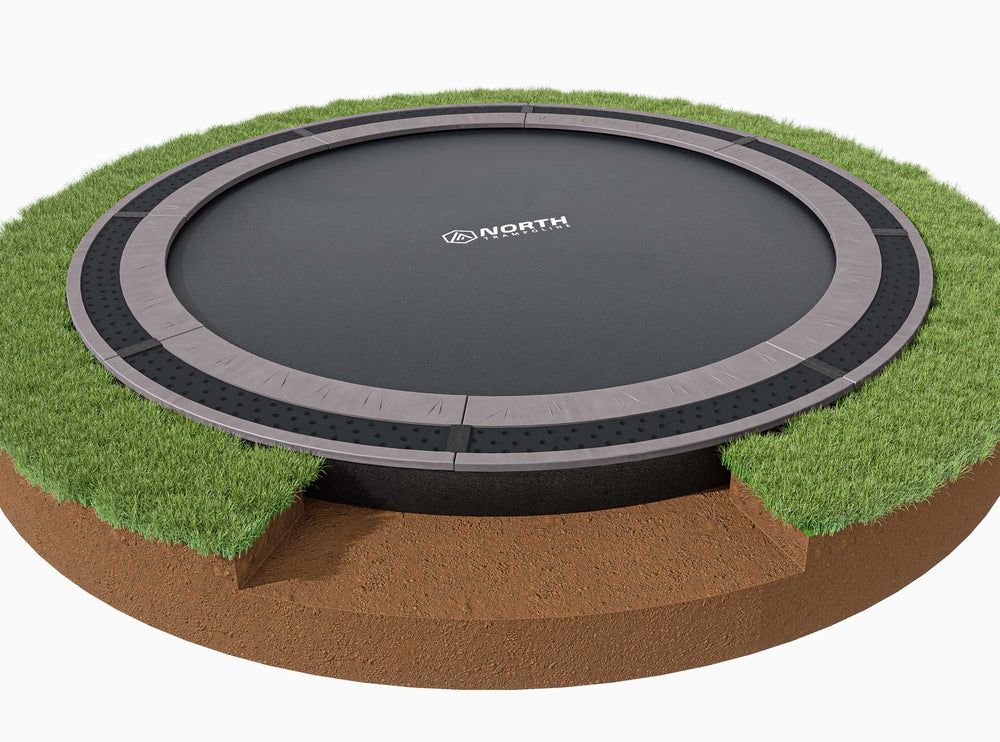
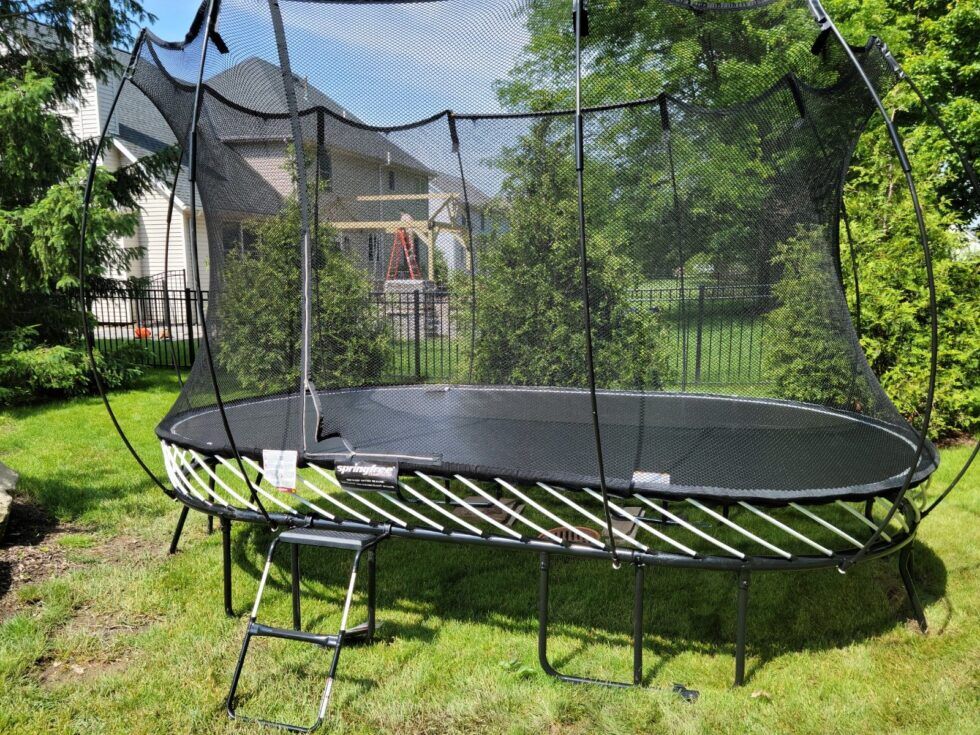
Practicing advanced skills requires a stable and well installed trampoline. A model such as the 12 ft X 8 ft North Inground Trampoline – Rectangle provides a balanced surface that supports controlled jumping and stable landings. The inground design increases stability and lowers fall distance. Adequate surface space gives beginners room to adjust during practice. Installing the trampoline on level ground improves consistency and safety. Reliable equipment creates a secure environment for building new skills.
Safety Supervision and Guidelines
Supervision remains critical when learning how to do a backflip on a trampoline. Beginners should practice under adult guidance or with a trained coach. Larger trampolines such as the 14 ft North Inground Trampoline – Round offer additional space for controlled movement. According to recommendations from the U.S. Consumer Product Safety Commission, allowing only one jumper at a time significantly reduces collision risk. Parents who want professional advice on safe installation and setup can reach out through Kids World Play for assistance.
Progression, Patience, and Confidence
Mastering how to do a backflip on a trampoline requires steady progression rather than rushed attempts. Repeat each stage until movements feel natural and controlled. Fatigue increases mistakes, so practice in short focused sessions. Confidence grows when technique improves gradually. Respecting each step reduces fear and builds skill safely. Avoid comparing progress to others. Individual timing varies based on strength and coordination. Consistent practice, proper supervision, and patience create the best environment for learning this advanced trampoline skill.
Common Mistakes to Avoid
Beginners often rush rotation before building enough vertical height. Leaning backward too early reduces lift and causes under rotation. Another common mistake involves throwing the head back aggressively, which disrupts body alignment and increases disorientation. Some learners also fail to tuck tightly, which slows rotation and leads to incomplete flips. Practicing without warming up increases stiffness and reduces control. Attempting multiple flips in a row while fatigued can also affect landing mechanics. Focus on controlled repetition rather than speed. Identifying and correcting mistakes early improves consistency and reduces risk. Reviewing technique after each attempt helps reinforce proper movement patterns and strengthens overall confidence during practice.
Strength and Conditioning to Improve Performance
Improving leg strength and core stability directly enhances backflip performance. Squats, lunges, and calf raises build the explosive power needed for vertical lift. Plank variations and hollow body holds strengthen core control, which improves rotation stability in the air. Practicing controlled tuck jumps on the trampoline also refines coordination. Flexibility work for hips and hamstrings supports smoother takeoff and landing mechanics. Conditioning outside of trampoline sessions reduces fatigue during practice and improves body awareness. Strong supporting muscles allow cleaner technique and better balance during rotation. Building physical preparation alongside skill progression creates a safer and more confident learning process.
Conclusion
Learning how to do a backflip on a trampoline involves mastering vertical height, backward comfort, controlled tuck position, and safe landing mechanics. Proper progression and supervision reduce risk while building confidence. With stable equipment and consistent practice, many beginners can develop this skill safely over time. To explore high quality trampolines designed for secure backyard training and active family lifestyles, visit the Kids World Play.