
What Basketball Team Does Jordan Own
Michael Jordan owns the Charlotte Hornets. However, his path to ownership developed over several years rather than happening instantly. He became majority owner in 2010, which marked a historic milestone in the NBA. As a result, he became the first former NBA superstar to control a franchise as majority owner. While many fans associate him with six championships in Chicago, his business influence in Charlotte represents a different chapter. In addition, ownership allowed him to shape the sport from a leadership position. Today, the Hornets remain closely tied to Jordan’s identity in professional basketball.
Jordan’s Transition From Player To Owner
After retiring from professional basketball, Jordan explored business ventures across several industries. Eventually, he turned his focus toward franchise ownership. In 2006, he purchased a minority stake in the Charlotte Bobcats. Over time, he increased his investment and influence within the organization. By 2010, he secured majority ownership and gained executive authority. Because of this move, he shifted from player leadership to strategic oversight. Ownership required financial planning, management decisions, and long term vision. Therefore, his transition reflected both competitive ambition and calculated business strategy.
The Evolution Of The Charlotte Franchise
The Hornets originally entered the NBA in 1988. However, the franchise relocated to New Orleans in 2002. As a result, Charlotte temporarily lost its team identity. In 2004, the Bobcats began play as a new expansion franchise. Later, under Jordan’s leadership, the organization restored the Hornets name in 2014. This change reconnected the city with its basketball roots. Fans responded positively to the rebrand. In addition, the team regained historical continuity and cultural pride. Since then, the franchise has focused on steady rebuilding efforts.
Responsibilities That Come With Ownership
Owning an NBA team involves more than attending games. Instead, majority owners oversee executive hires, approve major contracts, and guide financial direction. They also influence marketing partnerships and arena agreements. For example, owners must balance competitive spending with long term financial stability. Jordan works alongside general managers and coaching staff to set expectations. At the same time, he allows basketball executives to manage daily operations. Therefore, ownership blends oversight with delegation. This structure keeps the organization moving toward long term goals.
Jordan’s Competitive Mindset In Business
Jordan built his playing career on preparation and relentless effort. Likewise, he applies similar standards to ownership. He has emphasized accountability and disciplined development within the Hornets organization. Because of his experience as a player, he understands locker room culture and athlete expectations. Over time, the franchise invested heavily in young draft talent. Although rebuilding phases require patience, long term development remains essential. In this way, his leadership reflects persistence rather than short term reaction.
Changes In Ownership Structure
Recently, Jordan agreed to sell a majority stake in the Hornets while retaining a minority position. As a result, he stepped back from primary control but stayed connected to the team. Ownership groups often shift based on financial strategy and long term planning. According to the NBA’s , team ownership structures vary across the league. Even though percentages changed, Jordan’s influence remains strongly associated with the franchise.
Encouraging Skill Development At Home
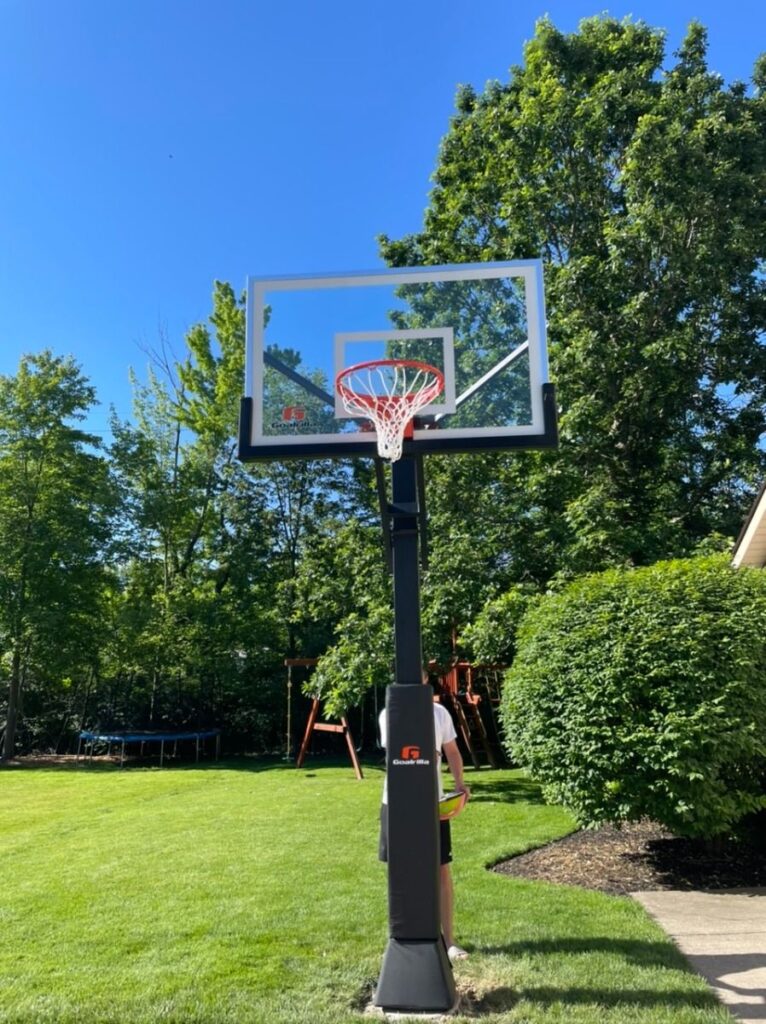
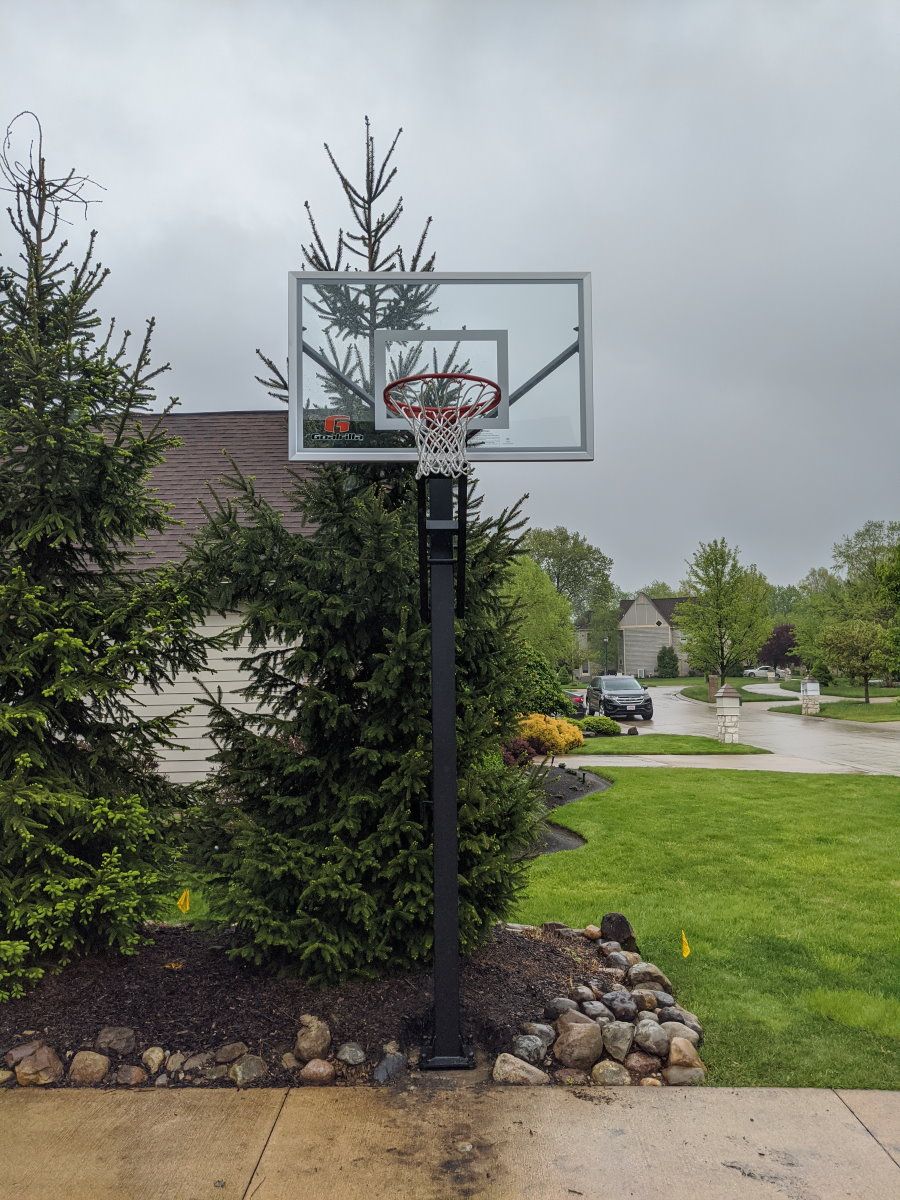
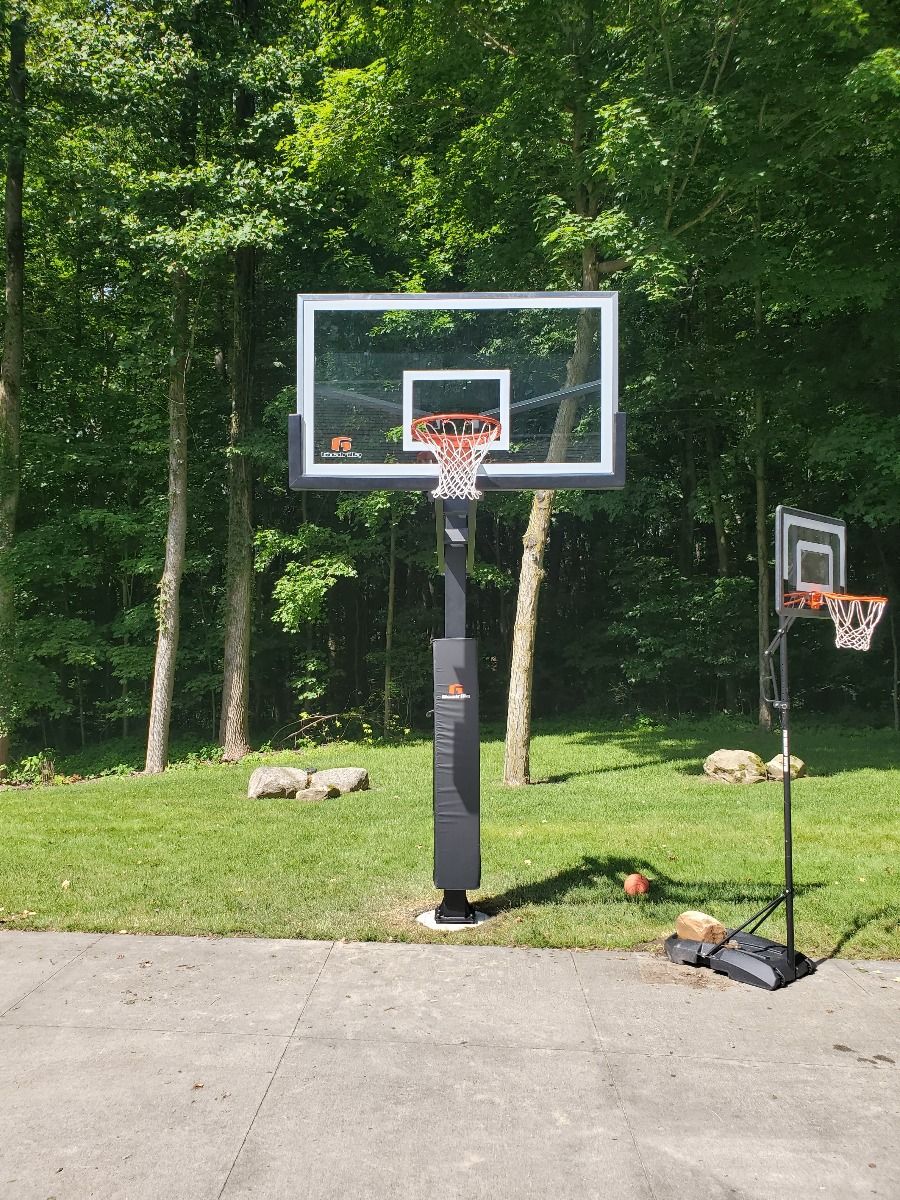
Interest in professional basketball often inspires families to practice at home. For example, installing a quality hoop supports regular skill development. The Goalsetter X672 provides adjustable height and durable construction for backyard training. As a result, young players can improve shooting form consistently. In addition, structured home practice builds discipline over time. Jordan frequently credited repetition as a key to success. Likewise, backyard sessions reinforce muscle memory and confidence.
Creating A Consistent Training Environment
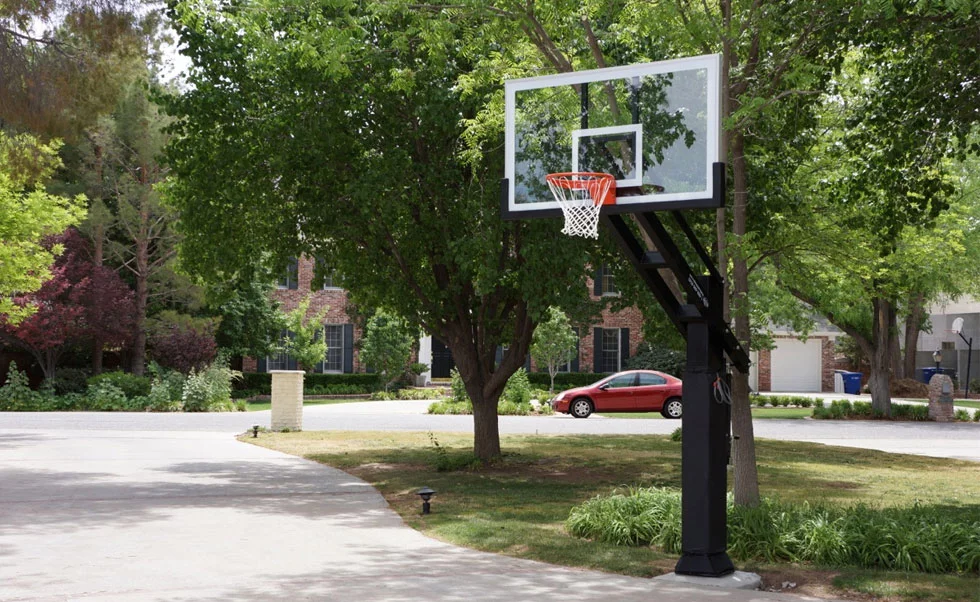
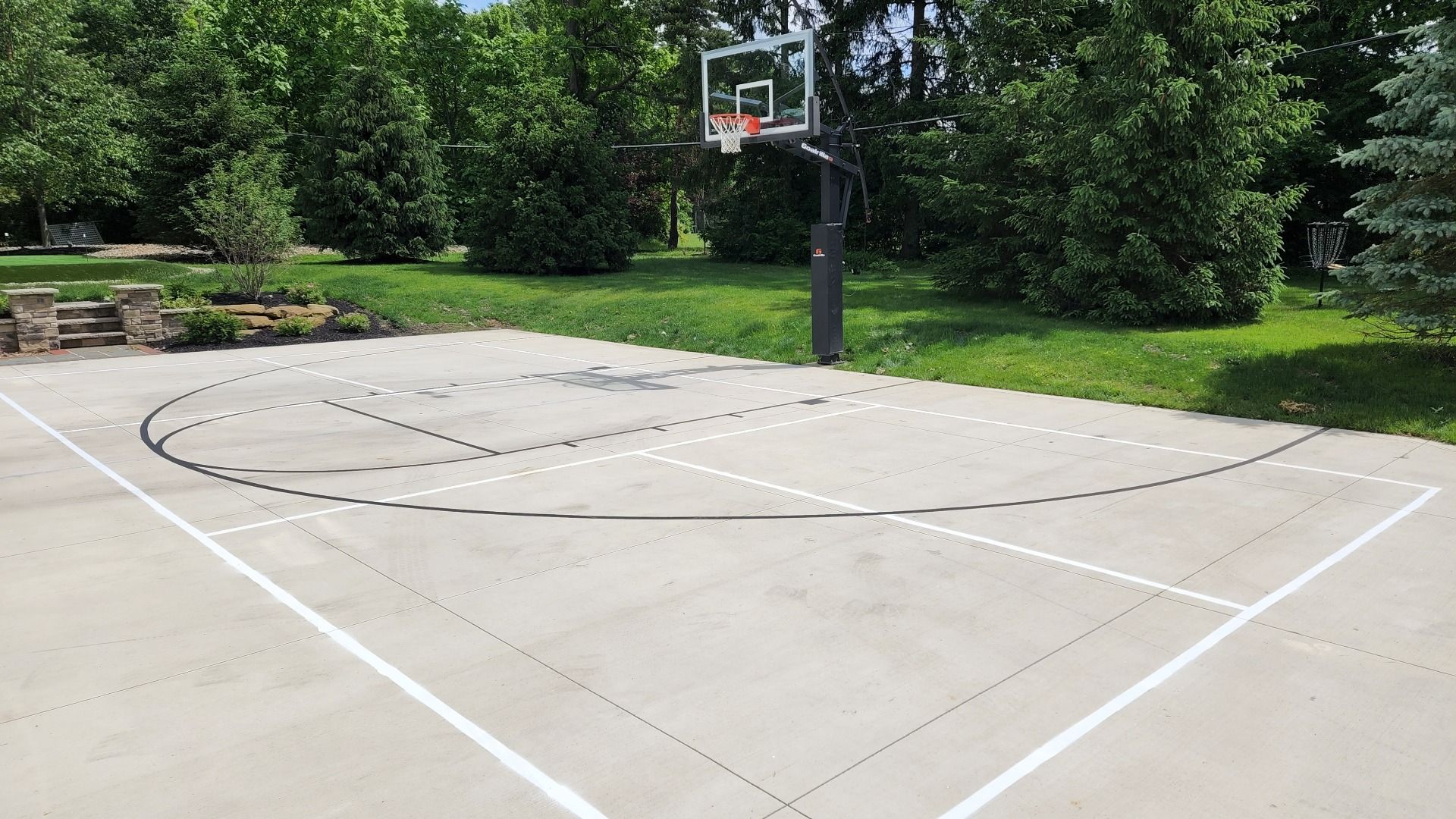
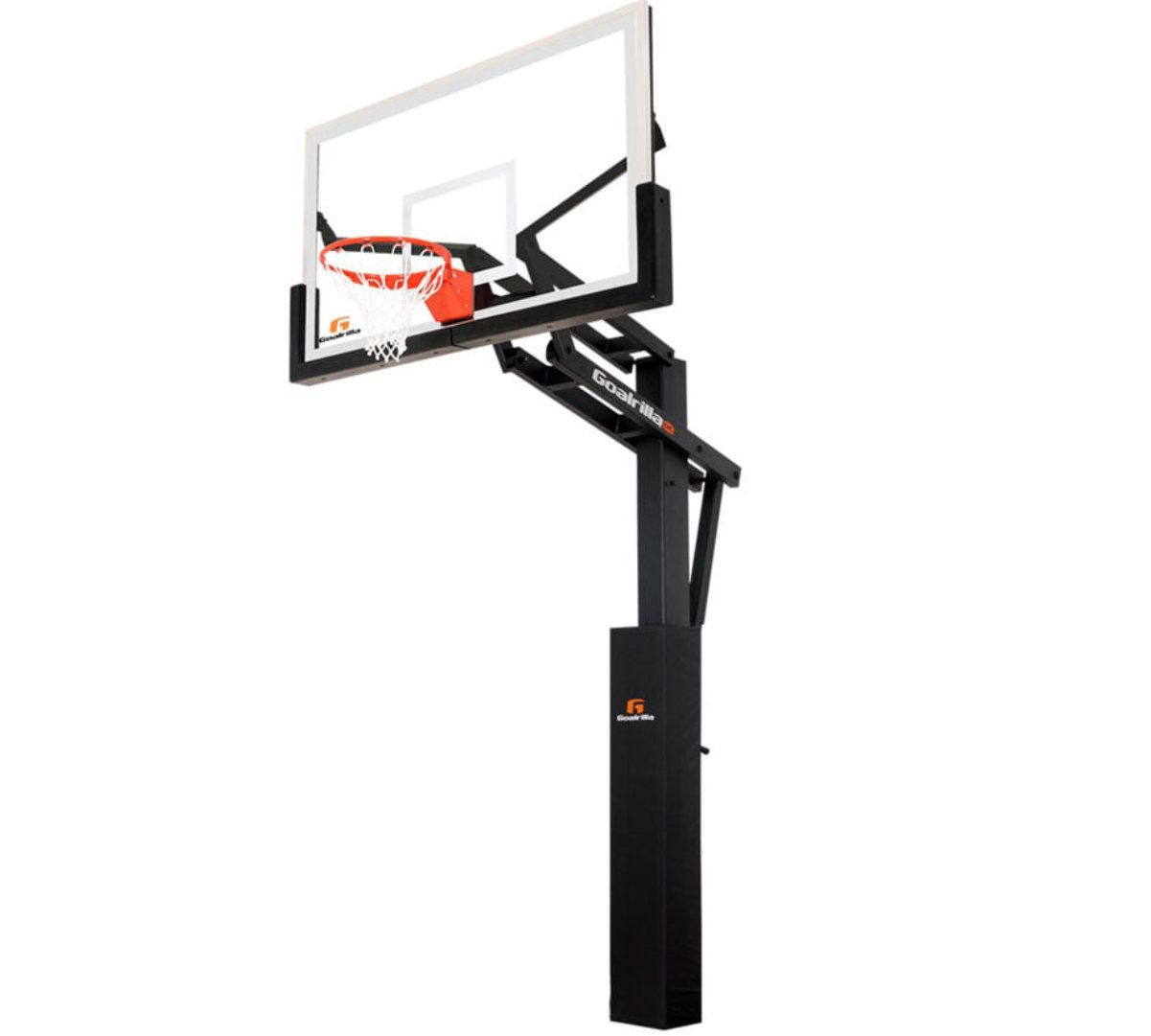
Beyond basic practice, strong equipment supports competitive drills. The Goalrilla DC72E1 offers stability for repeated use and structured workouts. Because reliable equipment withstands heavy activity, families can train safely. Furthermore, a dedicated backyard court encourages daily improvement. If you need help selecting the right system, visit Kids World Play for professional guidance. Proper planning creates long term value and safety.
Jordan’s Lasting Influence On The Sport
Ultimately, Michael Jordan’s ownership reflects his continued presence in basketball. While his playing career defined one era, his leadership role shapes another. Through franchise decisions and community involvement, he remains connected to the game’s growth. In addition, his story demonstrates how athletes can transition into executive roles successfully. Even after adjusting his ownership stake, his name remains tied to the Hornets identity.
Business Impact Beyond The Court
In addition to basketball decisions, Jordan’s ownership strengthened the Hornets’ business profile. He helped elevate brand visibility and corporate partnerships throughout his tenure. Because of his global reputation, sponsors and media outlets maintained strong interest in the franchise. Furthermore, his involvement brought credibility to front office moves and long term planning. Over time, the Hornets expanded community outreach programs and youth engagement efforts across Charlotte. These initiatives reinforced the franchise’s local presence. As a result, Jordan’s ownership extended beyond roster management and into financial growth and brand development. His role demonstrated how former players can influence both competitive and business sides of professional sports.
Community Engagement In Charlotte
Beyond financial growth, Jordan supported community outreach in Charlotte. The franchise increased its involvement in youth programs and local partnerships. As a result, the Hornets strengthened their presence within schools and nonprofit organizations. Community courts and renovation projects also expanded during his ownership period. Because of this focus, basketball access improved for many young athletes in the area. In addition, community initiatives built stronger connections between the team and its fan base. These efforts demonstrated that ownership extends beyond wins and losses. Instead, it includes long term investment in the city that supports the franchise.
Jordan’s Place Among NBA Owners
Jordan’s ownership role also holds symbolic importance within the league. He became the first former NBA superstar to serve as majority owner of a franchise. Therefore, his position represented progress in player leadership and representation at the executive level. While other former players have joined ownership groups, Jordan’s majority stake carried greater influence. Over time, his presence inspired discussion about athlete empowerment in professional sports. In contrast to purely financial investors, he brought firsthand competitive experience to the boardroom. This distinction strengthened his identity as both a historic player and a long term contributor to the league’s structure.
Conclusion
Michael Jordan owns the Charlotte Hornets and became majority owner in 2010 before later adjusting his stake. As a result, he moved from legendary player to influential executive. His leadership continues shaping professional basketball from a strategic level. To explore high quality basketball systems and outdoor play solutions that support skill development, visit the Kids World Play.