
How Long Do Running Shoes Last
If you are wondering how long do running shoes last, the answer is not as simple as a fixed number. Most running shoes are built to handle hundreds of miles, but their real lifespan depends on how often you run, the surfaces you train on, and how well you care for them. Many runners continue using worn shoes without realizing that reduced cushioning and support can lead to discomfort or even injury. Knowing when your shoes stop performing properly helps you stay safe, improve performance, and avoid unnecessary strain on your body. This guide breaks down everything you need to know so you can make smarter decisions about your footwear.
Average Lifespan Of Running Shoes
Most running shoes last between 300 and 500 miles, but that range is only a general estimate. Some runners may need to replace their shoes sooner, while others may stretch their use slightly longer. The key factor is not just distance but how the shoe responds to repeated impact. Each step compresses the cushioning, and over time, that cushioning loses its ability to bounce back. Even if the shoe still looks new, the internal structure may already be compromised. For someone who runs several times a week, this lifespan can translate to about four to six months. Casual runners may get more time, but the wear still happens gradually. Instead of focusing only on mileage, it is important to pay attention to how your shoes feel during each run.
Clear Signs Your Running Shoes Need Replacement
Knowing how long do running shoes last becomes much easier when you recognize the warning signs. One of the first indicators is reduced cushioning. If your runs feel harsher or you notice more impact in your joints, your shoes may no longer provide proper support. Another sign is visible wear on the outsole, especially in high impact areas like the heel or forefoot. Uneven wear can affect your balance and increase the risk of injury. You may also feel new discomfort in your knees, ankles, or hips. These small changes often signal that your shoes are no longer doing their job. Ignoring these signs can lead to bigger problems over time, so it is always better to replace your shoes before discomfort turns into injury.
How Running Surface Impacts Shoe Durability
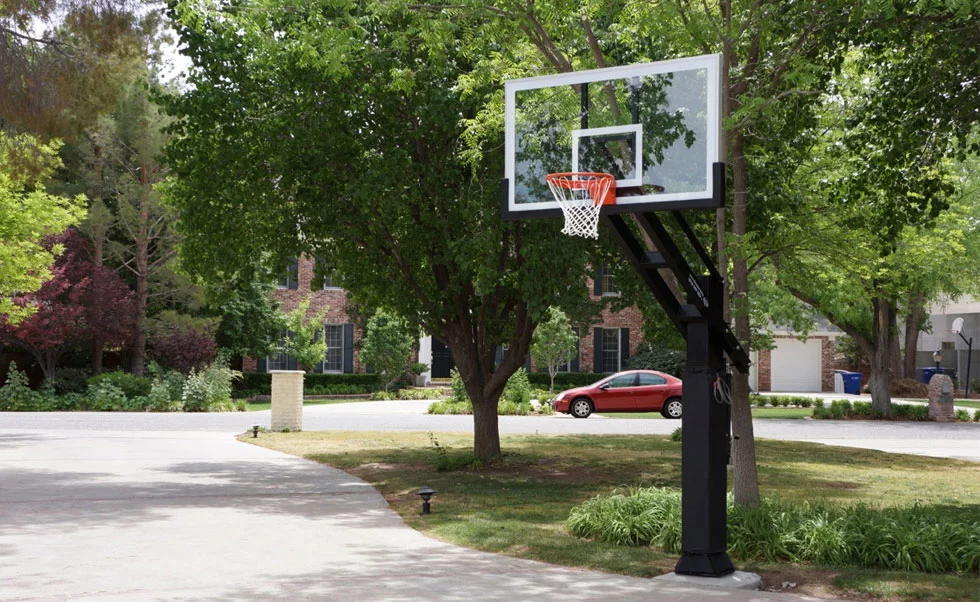
The type of surface you run on has a direct effect on how long your shoes last. Hard surfaces like concrete create more impact and friction, which accelerates wear. Trails with rocks and uneven terrain can also damage the sole and reduce stability. In contrast, smoother and more controlled environments can help extend the life of your footwear. Training on a consistent surface like Goalsetter Captain provides better shock distribution and reduces unnecessary stress on the shoe. This not only helps your shoes last longer but also improves your movement efficiency. Over time, the difference in surface quality can significantly affect both performance and durability.
Why Cushioning Breaks Down Over Time
Cushioning is one of the most important features in a running shoe, and it is also the first part to wear out. Each step compresses the foam inside the shoe, and repeated compression causes the material to lose its ability to rebound. This process happens gradually, so many runners do not notice until the cushioning is already ineffective. Once the foam loses its resilience, your body absorbs more shock with every step. This can lead to fatigue, discomfort, and even injury. Even if the outer sole looks intact, the internal cushioning may already be worn down. That is why it is important to focus on how your shoes feel rather than how they look.
How Body Weight And Running Style Affect Wear
Different runners experience different shoe lifespans because of variations in body weight and running style. Heavier runners place more force on the shoe with each step, which leads to faster compression of the cushioning. Similarly, runners with a heavy heel strike may notice quicker wear in the back of the shoe. Overpronation or supination can also cause uneven wear patterns. These factors make it difficult to predict exactly how long a shoe will last for each individual. Understanding your running style can help you choose the right type of shoe and maximize its lifespan. Paying attention to how your shoes wear over time can also give you valuable insights into your movement patterns.
The Role Of Training Environment In Shoe Longevity
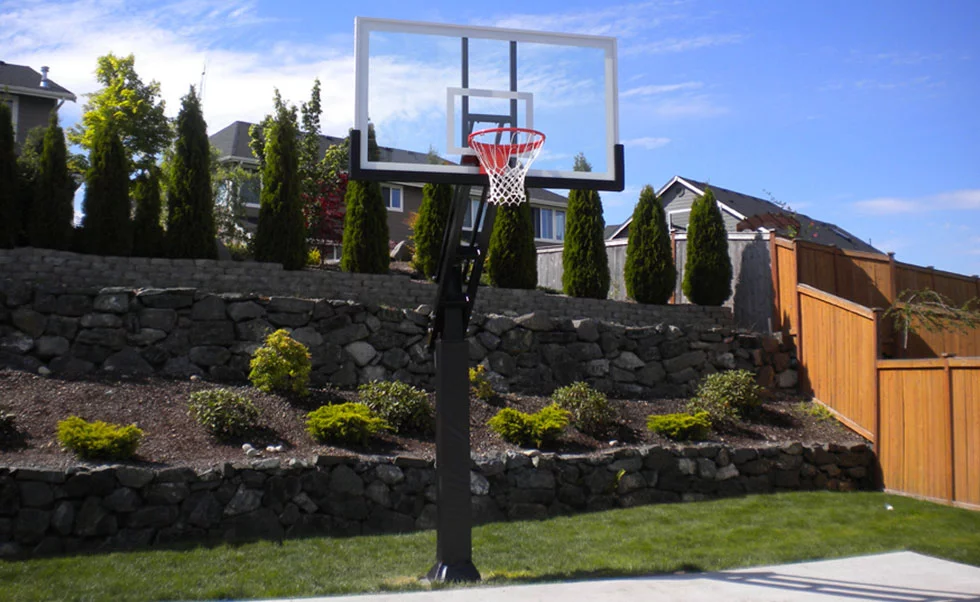
Your training environment plays a bigger role than most people realize when it comes to how long do running shoes last. Running on uneven or rough surfaces increases friction and causes the sole to break down faster. On the other hand, controlled environments allow your shoes to perform more efficiently. Using a structured setup like Goalsetter X560 helps maintain consistent footing and reduces unnecessary stress on your footwear. This kind of environment supports better movement patterns and allows your shoes to retain their structure for a longer time. Over time, choosing the right place to train can make a noticeable difference in how often you need to replace your shoes.
Simple Ways To Extend The Life Of Running Shoes
Taking care of your running shoes can help you get the most out of them. One of the easiest ways to extend their lifespan is to rotate between two pairs. This allows the cushioning to recover between runs and reduces overall wear. Avoid using your running shoes for activities like walking or gym workouts, as these movements place different stress on the shoe. Keeping your shoes clean and dry also helps preserve the materials. Moisture can weaken the structure and lead to faster breakdown. Storing your shoes in a cool and ventilated area prevents heat damage, which can affect the foam and adhesives. These simple habits can make a significant difference over time.
Common Mistakes That Shorten Shoe Lifespan
Many runners unknowingly reduce the lifespan of their shoes by making simple mistakes. One of the most common is using the same pair for every activity. Running shoes are designed for forward motion, and using them for other activities can cause uneven wear. Another mistake is ignoring early signs of discomfort. Small aches and pains often indicate that your shoes are no longer providing adequate support. Some runners also rely on appearance to judge wear, but internal cushioning can break down long before visible damage appears. Avoiding these mistakes can help you get more value from your shoes and reduce the risk of injury.
When To Replace Your Running Shoes
Replacing your running shoes at the right time is essential for maintaining comfort and preventing injuries. If you start noticing reduced cushioning, increased fatigue, or new aches, it is likely time for a new pair. Tracking your mileage can help you stay on schedule, but it is equally important to listen to your body. Waiting too long to replace your shoes can lead to more serious issues that take longer to recover from. Being proactive ensures that your runs remain enjoyable and safe. Understanding how long do running shoes last allows you to make better decisions and maintain a consistent routine.
Expert Recommendations And Safety Insights
Experts in sports health emphasize the importance of proper footwear in preventing injuries. According to the CDC physical activity guidelines, maintaining safe exercise habits and proper gear is essential for long-term health. Running with worn-out shoes increases the risk of stress injuries and joint pain. Investing in good habits, including timely replacement and proper care, helps you stay active without unnecessary setbacks. Paying attention to these recommendations ensures that your running routine remains both effective and safe.
Conclusion
Knowing how long do running shoes last helps you stay consistent, avoid injuries, and get the best performance from every run. Shoes are not just gear, they directly affect how your body absorbs impact and handles movement. Ignoring wear signs or delaying replacement can lead to discomfort that builds over time. Choosing better surfaces, maintaining your shoes, and paying attention to how they feel can extend their life and protect your body. To explore safer outdoor activity and play solutions visit Kids World Play Systems, where the goal is to support active lifestyles with safer, more reliable environments that reduce strain and help you stay active with confidence.