
How To Prevent Sports Injuries
If you are trying to learn how to prevent sports injuries, the key is to focus on preparation, proper technique, and safe environments. Injuries do not usually happen by chance. In many cases, they are the result of poor habits, lack of conditioning, or unsafe playing conditions. Whether you are an athlete, a parent, or someone who enjoys staying active, taking the right steps can help reduce risk and improve performance. Knowing how to prevent sports injuries allows you to stay consistent, avoid setbacks, and enjoy physical activity without unnecessary interruptions.
Common Causes Of Sports Injuries
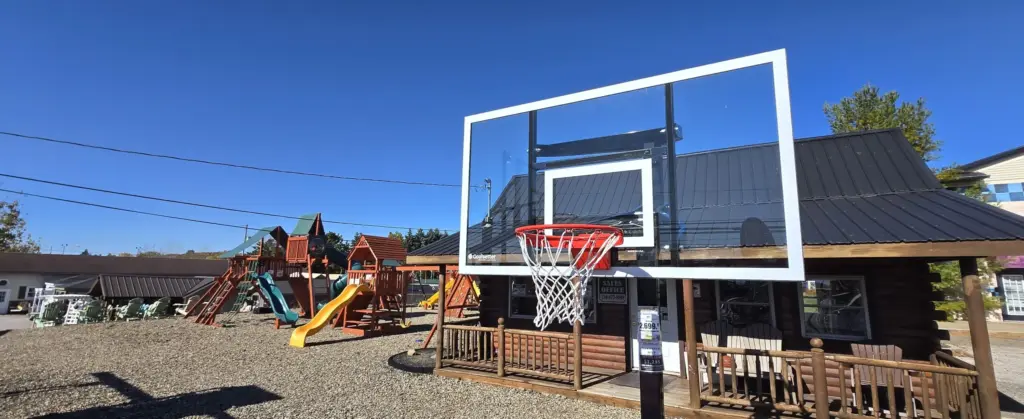
Sports injuries often happen because of a combination of factors rather than a single mistake. Overuse is one of the most common causes, especially when the body does not get enough time to recover between activities. Repeating the same movement without rest can lead to strain on muscles and joints. Poor technique is another major factor. When movements are not performed correctly, extra stress is placed on certain parts of the body. Environmental conditions also contribute to injuries. Uneven ground, slippery surfaces, and poorly maintained equipment increase the risk of falls and impact injuries. Fatigue plays a role as well. When the body is tired, coordination decreases, making it easier to lose balance or react slowly. Understanding these causes is the first step in learning how to prevent sports injuries and creating safer habits.
Importance Of Warm-Up And Mobility Work
A proper warm-up is one of the simplest ways to reduce the risk of injury. It prepares the body for movement by increasing blood flow and improving flexibility. Without a warm-up, muscles remain stiff and are more likely to strain during activity. Dynamic movements such as light jogging, arm swings, and controlled stretches help activate key muscle groups. Mobility exercises improve joint range and make movements smoother. These steps may seem basic, but they have a strong impact on performance and safety. Skipping a warm-up can lead to avoidable injuries that interrupt training and progress. Making it a consistent habit is essential for anyone who wants to stay active and avoid setbacks.
Choosing Safe And Supportive Play Environments
The environment where you play or train has a direct effect on injury risk. Hard or uneven surfaces increase the chances of slips, falls, and joint stress. A controlled and safe area can reduce these risks significantly. For example, a setup like Climber’s Glee Swing Set – Poly offers a structured space designed for safer movement and play. When surfaces are stable and properly designed, the body experiences less strain during activity. This helps prevent injuries caused by sudden impact or imbalance. Choosing the right environment is a key part of how to prevent sports injuries and should never be overlooked.
Using Proper Equipment And Safety Features
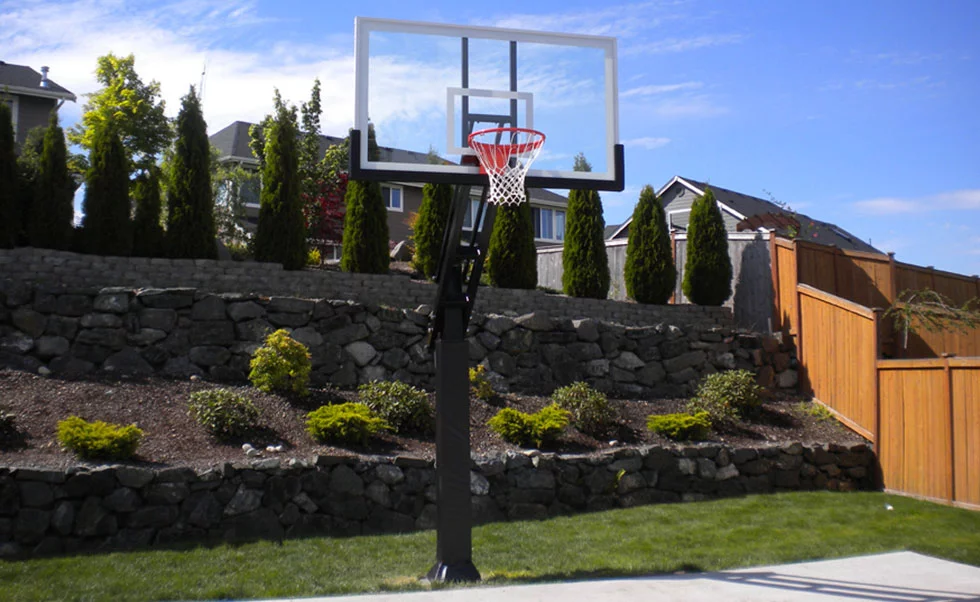
Wearing the right equipment can make a major difference in preventing injuries. Protective gear such as helmets, pads, and supportive footwear helps reduce the impact of falls and collisions. Equipment should always fit properly and be maintained regularly. In addition to personal gear, surrounding safety features also play an important role. Adding protective elements like Upper Enclosure for Playhouse XL can create a more secure play area and reduce the risk of accidents. These features provide an added layer of protection, especially for younger players. Combining proper equipment with safe surroundings helps create a balanced approach to injury prevention.
Building Strength And Stability
Strength training is an essential part of preventing injuries. Strong muscles support joints and help the body handle physical stress more effectively. Exercises that focus on core strength, balance, and coordination improve stability during movement. Stability reduces the likelihood of falls and awkward landings, which are common causes of injury. Flexibility is equally important, as it allows muscles to move freely and reduces tension. A balanced routine that includes both strength and flexibility training prepares the body for different types of movement. Learning how to prevent sports injuries involves building a strong foundation that supports both performance and safety.
Listening To Your Body And Avoiding Overuse
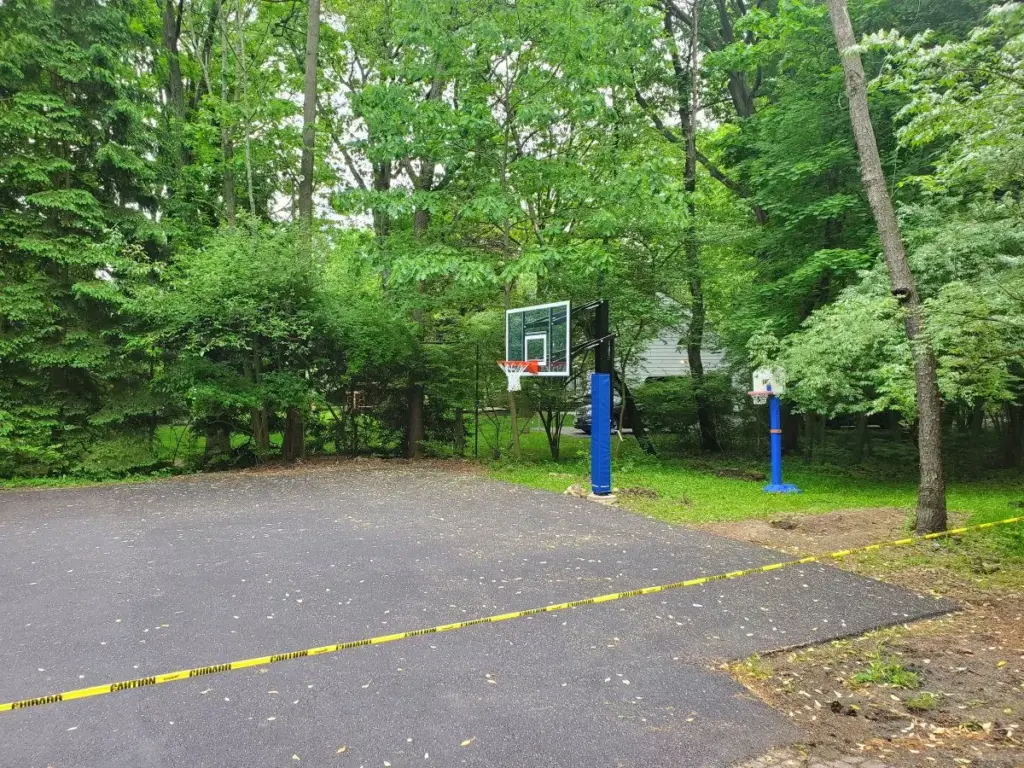
One of the most overlooked aspects of injury prevention is listening to your body. Pain, fatigue, and discomfort are signals that should not be ignored. Pushing through pain can turn a minor issue into a serious injury. Rest and recovery are essential for maintaining long-term health. Overuse injuries often develop slowly, making them easy to overlook until they become severe. Taking breaks, adjusting intensity, and allowing time for recovery help prevent these problems. Paying attention to how your body responds to activity is a key part of how to prevent sports injuries and maintain consistency over time.
Improving Technique And Movement Patterns
Proper technique is critical for reducing injury risk. Incorrect movements place extra stress on muscles and joints, increasing the chances of strain. Learning correct form and practicing it consistently helps improve efficiency and safety. Coaches often emphasize technique because it directly affects performance and injury prevention. Repetition of proper movements builds muscle memory, making it easier to perform actions correctly during games. Developing good habits early allows players to progress without putting their bodies at risk. Focusing on technique is one of the most effective ways to stay injury-free.
Recovery, Nutrition, And Hydration
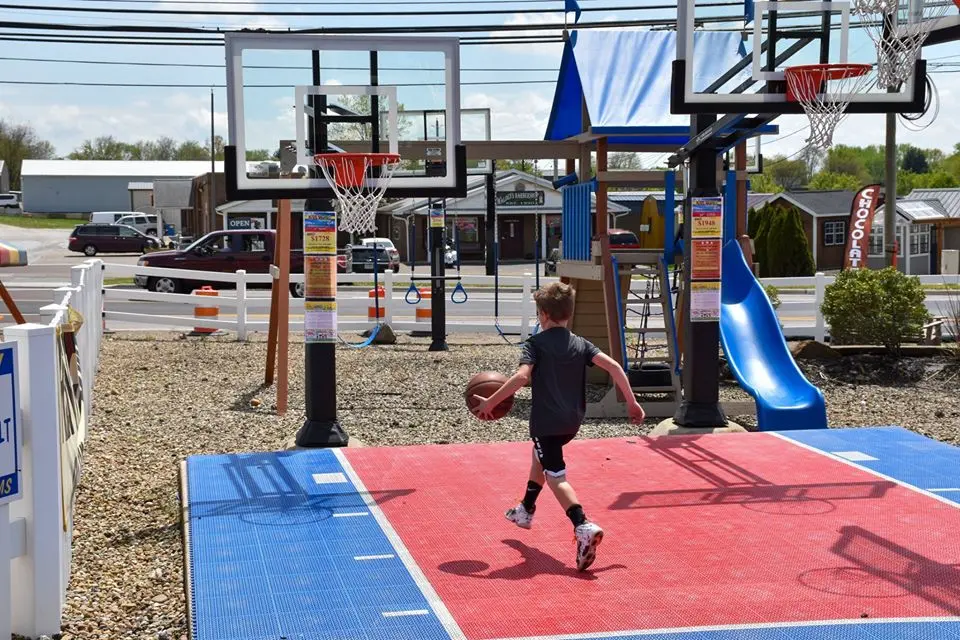
Recovery is just as important as training when it comes to preventing injuries. The body needs time to repair and rebuild after physical activity. Proper nutrition provides the energy and nutrients needed for recovery, while hydration supports muscle function and prevents fatigue. Lack of sleep can also increase injury risk by affecting coordination and reaction time. Creating a balanced routine that includes rest, proper nutrition, and hydration helps the body stay strong and prepared for activity. Understanding how to prevent sports injuries includes recognizing the importance of recovery in maintaining overall health.
Expert Advice And Safety Guidelines
Following expert recommendations can help reduce the risk of injuries during sports activities. The StopBullying.gov sports safety resources highlight the importance of safe environments, proper supervision, and structured play. These guidelines focus on creating safer experiences for young athletes while encouraging physical activity. Staying informed about trusted safety practices helps players and families make better decisions and reduce avoidable risks during sports.

Conclusion
Knowing how to prevent sports injuries allows you to stay active while reducing risks that can slow your progress. From proper warm-ups to safe environments and consistent recovery, each step plays a role in protecting your body. Small improvements in technique, equipment, and habits can make a significant difference over time. Staying aware and prepared helps you enjoy sports with greater confidence and fewer setbacks. To explore safer outdoor activity and play solutions, visit the Kids World Play Systems.