
How Wide Is A Basketball Rim
The width of a basketball rim is one of the most important measurements in the game because it directly affects shooting accuracy, passing angles, and scoring. If you have ever wondered how wide is a basketball rim, the official answer is 18 inches, measured from the inside edge of the metal ring. This standard is used in the NBA, NCAA, high school basketball, and most international competitions. Although the measurement seems simple, it has a significant impact on how the game is played. Knowing the official rim width helps players understand shooting techniques, choose the right equipment, and create a practice environment that closely matches real game conditions.
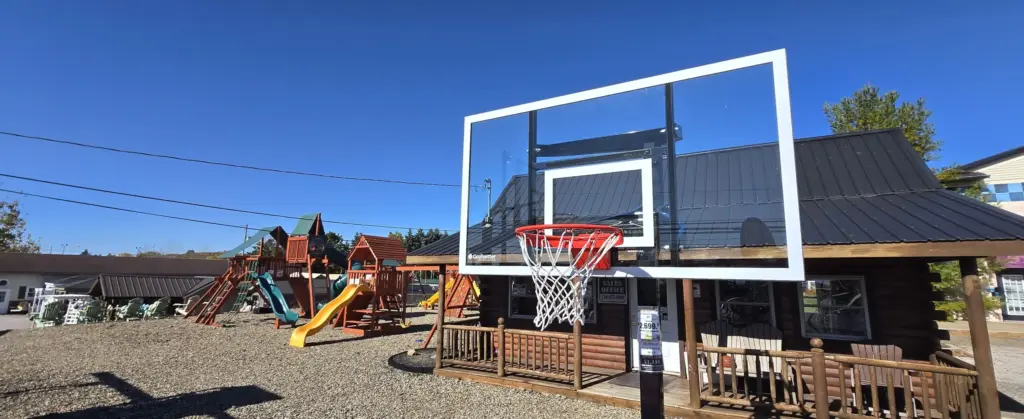
The Official Width Of A Basketball Rim
The answer to how wide is a basketball rim is straightforward. A regulation basketball rim measures 18 inches in inside diameter, which equals approximately 45.7 centimeters. This measurement is standardized across nearly every level of organized basketball, including professional, collegiate, and high school competition. The width is measured from one inside edge of the metal ring directly across to the opposite inside edge. It does not include the thickness of the steel used to manufacture the rim.
The 18-inch measurement works together with the official basketball size to create a balanced level of difficulty. A regulation men’s basketball measures about 9.5 inches in diameter, leaving enough room for a clean shot while still demanding accuracy. Every shooter develops muscle memory based on this relationship between the basketball and the rim. Consistent dimensions ensure players can compete under identical conditions regardless of where they play.
Why The Rim Is Exactly 18 Inches Wide
The regulation rim width has remained unchanged for generations because it creates the right balance between challenge and scoring opportunity. If the rim were significantly wider, shooting percentages would increase dramatically and defensive pressure would become less effective. On the other hand, making the rim smaller would make scoring much more difficult and change nearly every offensive strategy in basketball.
The current dimensions reward players who develop proper shooting mechanics, good arc, and consistent release points. Every successful shot requires accuracy rather than luck, making skill development one of the defining features of basketball. This standard also allows coaches to teach shooting techniques that remain effective from youth leagues all the way to professional competition.
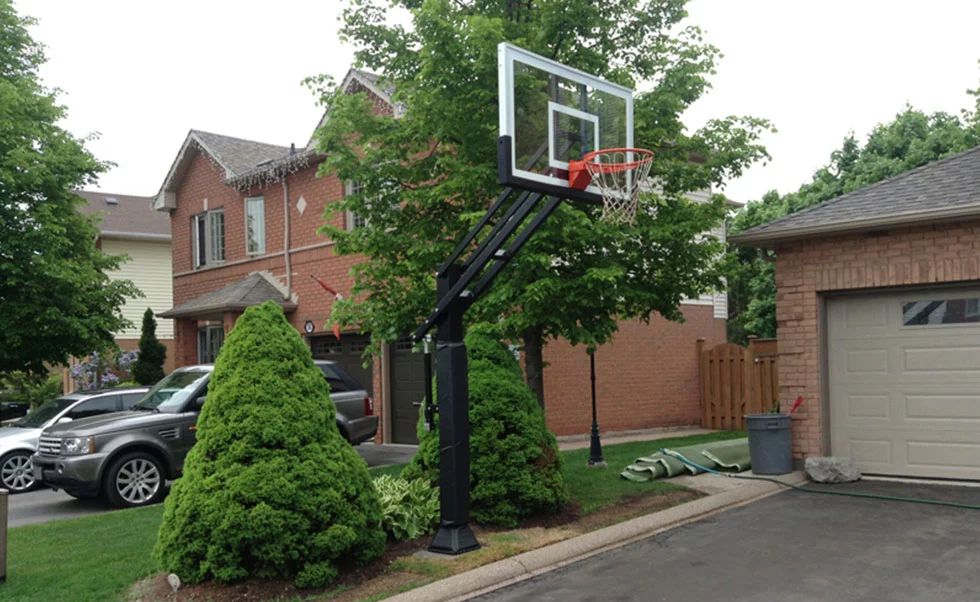
Does Rim Width Change At Different Levels?
One common misconception is that younger players use smaller basketball rims. In reality, the official rim width remains 18 inches at nearly every level of organized basketball. What changes for younger athletes is usually the basket height rather than the rim size. Youth leagues often lower the hoop to eight or nine feet so children can develop proper shooting mechanics while still aiming at a regulation-sized basket.
This consistency allows young players to become familiar with the same target they will use throughout their basketball careers. Families who practice at home often benefit from adjustable basketball systems such as the Goalsetter X560, which allows the basket height to change while maintaining the official 18-inch rim width. This helps young athletes build confidence as they gradually transition to a regulation 10-foot basket.
How Rim Width Affects Shooting Accuracy
The relationship between the basketball and the rim plays a major role in every shot. Because the rim measures only 18 inches across, players must develop consistent mechanics to score regularly. Release angle, spin, arc, and shooting touch all influence whether the ball passes cleanly through the basket or bounces away. Even experienced players spend countless hours practicing because the target leaves little room for error during competitive games.
Regular practice on equipment that matches official specifications helps players develop reliable muscle memory. A properly sized rim, combined with a stable basketball system, creates a realistic training environment where athletes can improve free throws, jump shots, and layups. Using regulation equipment from the beginning prepares players for school, club, and competitive basketball without requiring major adjustments to their shooting technique.
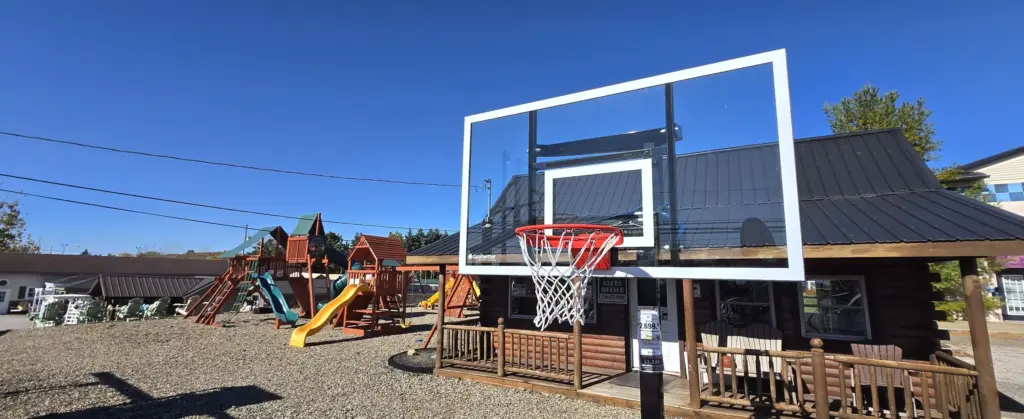
How To Measure A Basketball Rim Correctly
Measuring a basketball rim is simple, but accuracy matters. Place a tape measure across the inside of the metal ring from one inner edge to the opposite inner edge. A regulation rim should measure 18 inches across. Do not measure from the outside edge because the thickness of the metal will make the number larger. If the hoop looks bent or uneven, take measurements in more than one direction to confirm whether the rim is still circular.
It is also worth checking the height and level of the basket while measuring the width. A regulation rim should sit 10 feet above the playing surface and remain parallel to the ground. If the hoop tilts or moves during play, the problem may involve the mounting hardware rather than the rim itself. Professional Basketball Hoop Installation can help ensure the system is secure, properly aligned, and ready for consistent practice.
What Happens When A Basketball Rim Is Bent?
A bent rim can change the way the ball reacts after contact. Shots may bounce in unexpected directions, and players may struggle to judge rebounds accurately. Even a small bend can affect shooting practice because the target is no longer consistent. Outdoor hoops are more likely to develop problems after rough play, hanging on the rim, or long-term exposure to weather. Checking the rim regularly helps identify damage before it becomes more serious.
Some minor alignment problems may be corrected, but badly bent rims usually need replacement. Trying to force damaged metal back into shape can weaken it further. The official NBA court and equipment rules explain the required basket dimensions, including the standard 18-inch inside diameter. Using equipment that matches these measurements creates a more reliable training environment and gives players a target that reflects real game conditions.
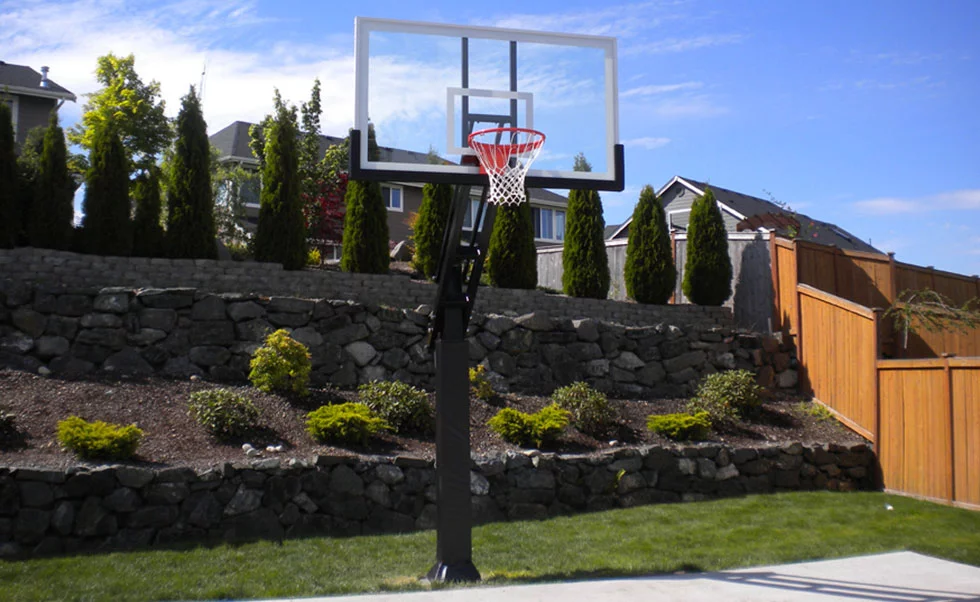
Choosing A Regulation-Size Rim For Home Practice
Home basketball systems should use an 18-inch rim if the goal is realistic practice. Regulation dimensions help players build shooting habits that transfer to school teams, leagues, and competitive games. Adjustable height is useful for younger children, but the rim width should remain the same as they grow. This lets players work on proper shooting form while the basket gradually moves closer to the official 10-foot height.
Durability also matters because the rim absorbs repeated contact from shots and rebounds. A quality system such as the Goalsetter X660 provides a stable setup for home training while maintaining regulation proportions. When the backboard, rim, and support structure work together, players get more predictable rebounds and a better overall experience. A dependable hoop also reduces the need for frequent adjustments or repairs.
Conclusion
So, how wide is a basketball rim? A regulation rim measures 18 inches across the inside diameter. That width remains consistent in the NBA, college basketball, high school play, and most youth leagues. The standard creates a fair target that rewards shooting accuracy, proper arc, and repeatable technique. Measuring the rim correctly also helps confirm whether a home or recreational hoop still meets regulation size.
Players improve faster when they practice on stable equipment with accurate dimensions. A level rim, correct width, and proper height all support better shooting habits and more reliable rebounds. These details may seem small, but they shape every shot taken during practice or competition. To explore durable basketball systems and outdoor play solutions for home training, visit Kids World Play.