
How To Keep Trampoline From Blowing Away
Estimated reading time: 6 minutes
If you’re wondering how to keep a trampoline from blowing away, the safest solution is to anchor it securely with a trampoline anchor kit, remove accessories such as safety nets during severe weather if recommended by the manufacturer, and move or disassemble the trampoline before major storms or hurricanes. Strong winds can lift even large trampolines, making proper anchoring and weather preparation essential for protecting both your property and nearby homes.
Fortunately, preventing wind damage is straightforward when you use the right equipment and follow a few simple safety practices. This guide explains the most effective ways to secure a trampoline and reduce the risk of it becoming airborne during high winds.
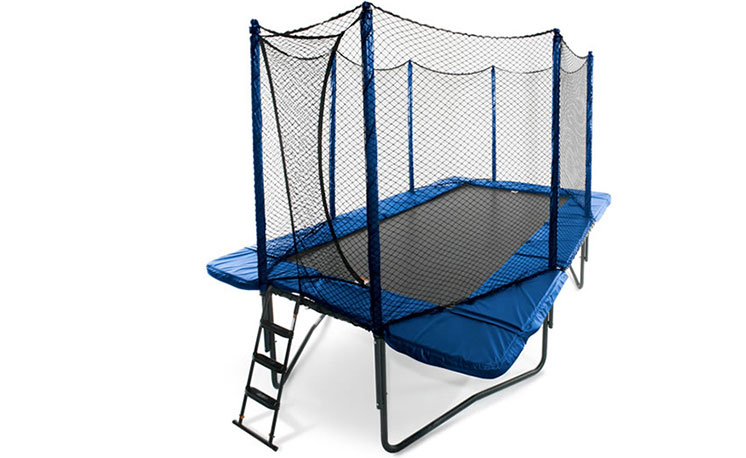
Anchor the trampoline to the ground with stakes or sandbags
Trampolines are amazing sources of entertainment and exercise for people of all ages. However, it is extremely important to make sure that your trampoline is anchored to the ground properly to avoid any accidents or injuries. A strong gust of wind can easily lift an unsecured trampoline and send it flying through your yard or your neighbor’s yard. This can cause serious damage to property and people. So, whether you have a small or a large trampoline, it is always a good idea to anchor it down with either stakes or sandbags. This will not only keep your trampoline stable and safe, but it will also give you peace of mind knowing that you are taking the necessary precautions to prevent any accidents.
Choose the Right Location for Your Trampoline
Where you place your trampoline plays an important role in preventing wind damage. Install it on level ground away from large trees, fences, sheds, and overhead power lines. Open areas with fewer wind tunnels are generally safer than locations where buildings can redirect strong gusts. Choosing the right location also reduces the chance of the trampoline striking nearby structures if it shifts during severe weather.
Leave enough clearance around the trampoline so it can be anchored properly and inspected easily. Avoid placing it on loose soil that may not hold ground anchors securely. A stable location creates a stronger foundation and improves the effectiveness of every other safety measure you take.
Use an umbrella or weighted tarp as a windbreak
When it comes to camping or spending time outdoors, a sudden gust of wind can put a damper on your plans. That’s where using an umbrella or a weighted tarp as a windbreak can come in handy. Not only will it provide a barrier against the wind, but it can also provide shade from the hot sun. Simply position the umbrella or tarp strategically to block the wind and give yourself a protected area to relax or cook in. With this simple solution, you can enjoy the outdoors without worrying about sudden gusts. Plus, it’s an easy and budget-friendly alternative to purchasing specialized windbreak gear.
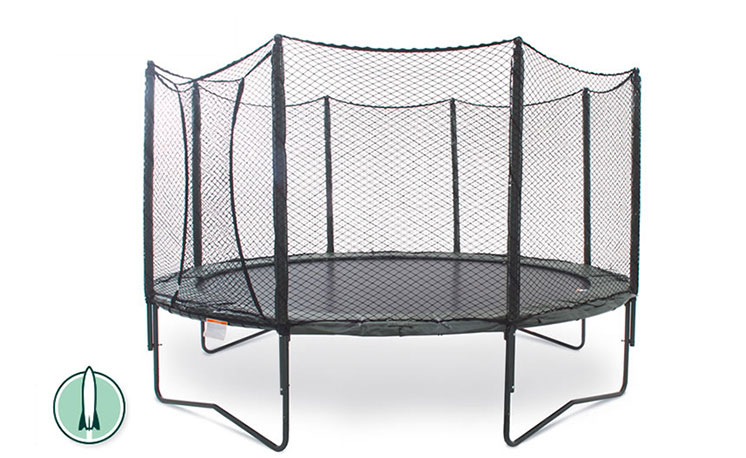
Use a Trampoline Anchor Kit
The most effective way to keep a trampoline from blowing away is to install a trampoline anchor kit. These kits use heavy-duty steel augers driven into the ground and strong straps attached to the frame. Properly installed anchors help keep the trampoline stable during normal windy conditions and reduce the risk of movement.
Check Weather Forecasts Before Storms
Monitoring the weather helps you prepare before strong winds arrive. High wind warnings, severe thunderstorms, and hurricanes give homeowners enough time to secure outdoor equipment. Waiting until winds have already increased makes it much harder to safely work around a trampoline. If severe weather is expected, inspect the anchor system, remove loose accessories, and consider disassembling the trampoline if recommended by the manufacturer. Planning greatly reduces the risk of damage during extreme weather conditions.
Remove Accessories Before Severe Weather
Safety nets, basketball hoops, covers, and other accessories can catch strong winds like a sail. Removing these items before storms reduces wind resistance and lowers the chance of damage. If severe weather is expected, manufacturers often recommend disassembling or storing the trampoline until conditions improve.
Inspect the Trampoline Frame Regularly
A strong frame helps the trampoline withstand everyday use and changing weather conditions. Inspect the frame several times each year for loose bolts, rust, bent sections, or damaged welds. Repairing small problems early helps maintain the overall strength of the structure. Pay close attention to the legs and connection points because these areas support most of the weight. Tightening hardware and replacing damaged parts keeps the trampoline stable and reduces unnecessary movement during windy conditions.
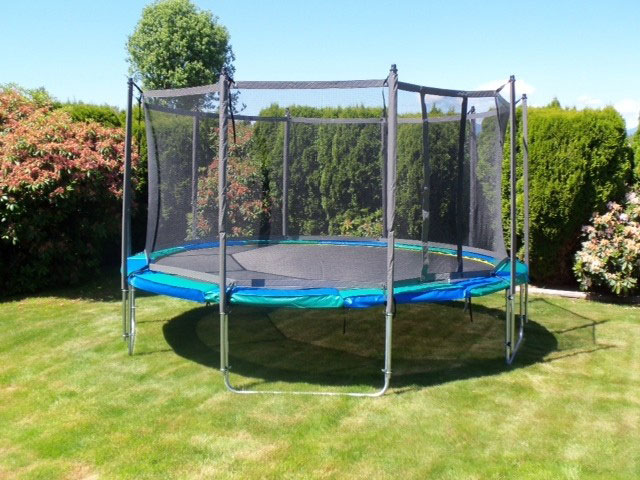
Inspect the Anchoring System
Ground anchors should be inspected throughout the year to make sure they remain secure. Heavy rain, freezing temperatures, and repeated movement can loosen anchors over time. Tightening loose straps and replacing worn hardware helps keep the trampoline properly secured. If you’re planning a new backyard play area, explore our collection of trampolines designed for safety, durability, and long-term family fun.
Remove the Trampoline During Extreme Weather
Ground anchors work well during normal windy weather, but they cannot guarantee protection during hurricanes or extremely powerful storms. If your area is expected to experience dangerous winds, disassembling and storing the trampoline is often the safest option. Although taking the trampoline apart requires extra time, it helps prevent damage to your property and neighboring homes. Many manufacturers recommend temporary storage whenever severe weather poses a significant risk.
Maintain Your Trampoline Throughout the Year
Regular maintenance improves both safety and durability. Clean leaves, dirt, and standing water from the jumping mat and frame. Inspect springs, safety pads, and enclosure netting for signs of wear. Replacing damaged components promptly helps keep the trampoline in good condition. Seasonal inspections also provide an opportunity to check the anchor system and verify that straps remain tight. A well-maintained trampoline is better prepared to withstand changing weather throughout the year. You can learn more about trampoline design and history by visiting the Trampoline article on Wikipedia.
Conclusion
Learning how to keep a trampoline from blowing away starts with proper preparation. Installing a quality anchor kit, inspecting it regularly, and removing wind-catching accessories before severe weather can greatly reduce the risk of damage. During extreme storms or hurricane conditions, the safest option is often to disassemble and store the trampoline according to the manufacturer’s instructions. If you’re looking for durable backyard trampolines and outdoor play equipment, visit Kids World Play Systems. Our team can help you choose products designed for years of safe outdoor family fun.