
Can Basketball Shoes Be Used For Volleyball
Athletes who play multiple indoor sports often wonder if one pair of shoes can handle different types of movement safely and comfortably. Basketball and volleyball share several physical demands, including jumping, quick direction changes, balance, and explosive footwork on hard indoor courts. Because of those similarities, many players ask the same practical question: can basketball shoes be used for volleyball? The answer depends on playing style, competition level, and personal comfort preferences. While volleyball shoes are designed specifically for rapid court movement and responsiveness, basketball shoes still provide strong support, traction, and cushioning that can work well in many volleyball situations. Understanding the differences between the two helps athletes choose footwear that supports both performance and long-term comfort on the court.
How Basketball Shoes Are Designed
Basketball shoes are built to handle aggressive movement, repeated jumping, and sudden direction changes on a hardwood court. They typically feature thicker soles, strong midfoot support, and durable materials that protect the foot during high impact play. Cushioning systems in basketball shoes are designed to absorb shock from constant jumping and landing, which helps reduce strain on the knees and ankles over time. This makes them ideal for long games with frequent physical contact.
Another key design feature is stability. Basketball shoes often include wider bases and reinforced heel counters to keep the foot locked in place. This stability helps players maintain balance during quick cuts and pivots. While these elements benefit basketball players, they also influence how the shoe performs in volleyball, where movement patterns differ slightly but still demand control and protection.
How Volleyball Shoes Differ
Volleyball shoes are designed with speed and agility as the top priorities. They are generally lighter than basketball shoes and sit lower to the ground. This low profile design allows players to react quickly, change direction with ease, and stay balanced during rapid plays near the net. Volleyball shoes focus on responsiveness rather than heavy impact protection.
Traction patterns on volleyball shoes are also tuned for quick transitions rather than aggressive stops. This helps players move smoothly across the court without feeling stuck to the floor. While volleyball shoes still offer cushioning, it is usually thinner and more flexible. This design helps players feel connected to the court, which is especially important during defensive movements and fast paced rallies.
Traction On Indoor Courts
Traction is one of the biggest reasons athletes question whether basketball shoes can be used for volleyball. Indoor volleyball requires constant movement in every direction. Players shuffle sideways, sprint forward, rotate quickly, and stop suddenly during rallies that may last only a few seconds. Basketball shoes are designed to grip hardwood courts aggressively because basketball players rely heavily on explosive cuts and fast stops during drives or defensive coverage. This strong traction can help volleyball players stay balanced during defensive slides, jump approaches, and quick reactions near the net.
However, volleyball movement differs from basketball in several important ways. Volleyball players often reposition rapidly between plays without fully stopping their momentum, especially during defensive coverage and rotational movement. Some basketball shoes feel too sticky during these transitions, particularly on clean indoor courts. Competitive volleyball players usually prefer gum rubber outsoles because they maintain grip while allowing smoother movement patterns during long rallies. Court dust also affects traction performance significantly. Basketball shoes with deeper traction patterns may collect dust differently than volleyball shoes, which can change grip consistency during matches. For recreational athletes and school-level players, basketball shoes generally provide more than enough traction and support for safe volleyball play..
Cushioning And Jump Impact
Jumping is a major part of both basketball and volleyball, making cushioning a critical consideration. Basketball shoes are known for thicker cushioning systems that absorb impact from repeated jumps. This feature helps protect joints and reduce fatigue during long sessions. Volleyball players who jump frequently for blocks and spikes may appreciate this added comfort.
That said, volleyball shoes use lighter cushioning to improve speed and balance. Being closer to the ground helps players land more quickly and prepare for the next move. Basketball shoes may feel higher off the court, which can slightly affect stability for volleyball specific movements. The trade off is comfort versus responsiveness, and players must decide which matters more for their style of play.
Ankle Support And Stability
Basketball shoes often include enhanced ankle support through padded collars and structured designs. This is especially useful in a sport where contact and awkward landings are common. Volleyball players with a history of ankle injuries may benefit from the extra support basketball shoes provide during jumps and landings.
Volleyball shoes usually have lower ankle profiles to allow greater freedom of movement. This design helps players react quickly and move fluidly across the court. While basketball shoes can help reduce ankle roll risk, they may feel restrictive for players who rely heavily on speed and flexibility. Support versus mobility is a key factor in choosing the right shoe.
Weight And Speed Considerations
Weight plays a major role in how shoes feel during volleyball games. Basketball shoes are often heavier because manufacturers add thicker cushioning, reinforced ankle support, and durable materials built for physical contact and repeated jumping. This added structure improves protection and stability, but it can also affect movement speed during long volleyball sessions. Volleyball players move constantly during matches, often reacting within seconds to blocks, serves, and defensive recoveries. Even small differences in shoe weight can become noticeable after extended play.
Volleyball shoes are usually lighter and sit lower to the ground, which helps players feel faster and more responsive during quick transitions. This lower profile supports rapid footwork and helps athletes react quickly during defensive plays near the floor. Basketball shoes may feel bulkier during these movements, especially for players who rely heavily on speed and agility. However, some athletes actually prefer the additional cushioning and stability basketball shoes provide, particularly during repeated jumping and hard landings. The right choice often depends on playing style, comfort preference, and competition level rather than one shoe category being universally better than the other.
Youth and Multi-Sport Athletes
For kids and teenagers who participate in several sports throughout the year, basketball shoes are often a practical and cost-effective option. Many families prefer versatile indoor court shoes instead of purchasing separate footwear for every activity. Basketball shoes provide strong ankle support, durable construction, and reliable traction that work well for school volleyball, recreational leagues, and gym practices. Younger athletes who are still developing coordination and balance usually benefit more from comfort and stability than sport-specific performance details.
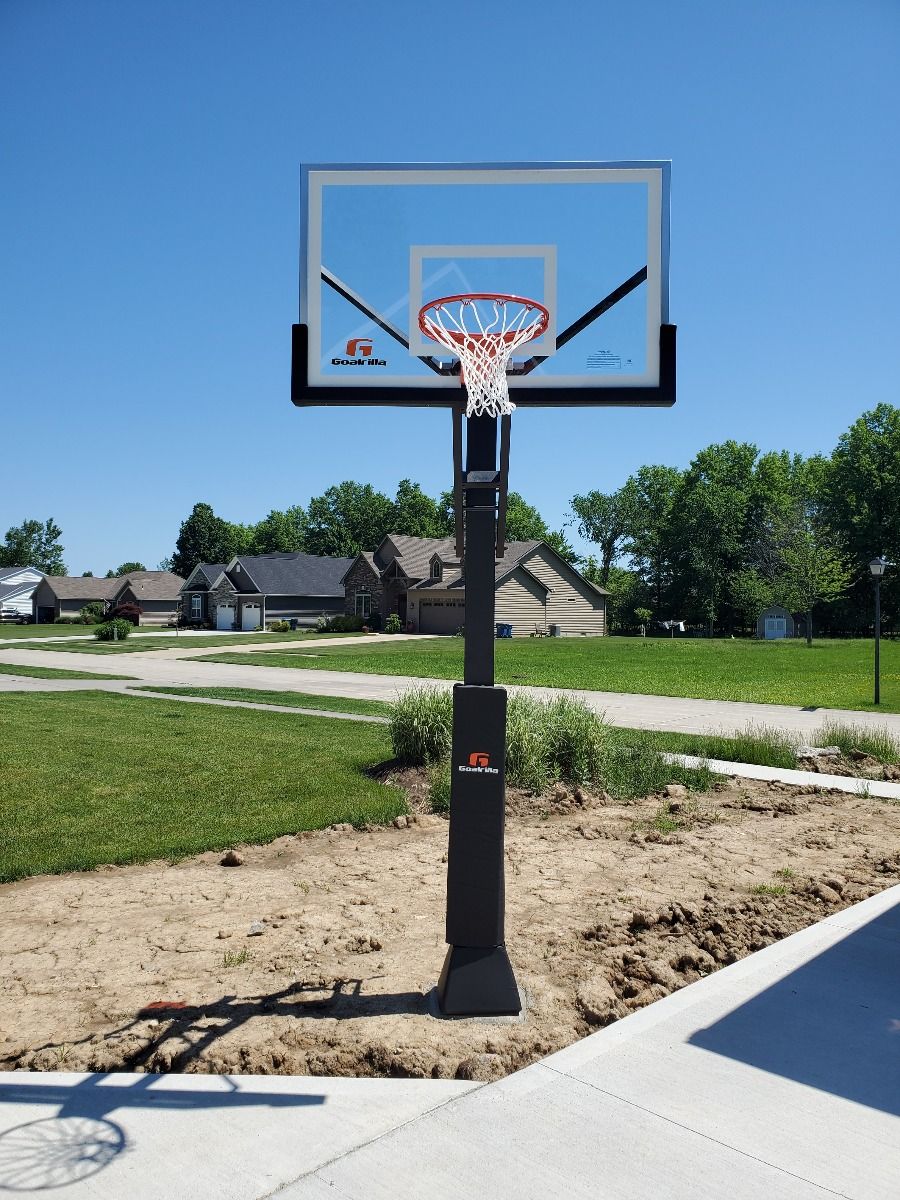
Multi-sport athletes also benefit from staying active in different environments throughout the year. Indoor volleyball and basketball can improve coordination, jumping ability, and reaction speed, while outdoor activity helps support overall athletic development and long-term fitness habits. Families who create active play spaces at home often use basketball systems such as Goalsetter Captain to encourage regular movement and skill development outside organized sports. This approach helps young athletes stay engaged physically without needing highly specialized equipment for every activity.
Recreational And Home Play
Basketball shoes are usually more than enough for recreational volleyball, pickup games, school activities, and casual gym play. Most non-competitive players prioritize comfort, support, and durability over the small performance advantages offered by volleyball-specific shoes. Basketball shoes provide reliable traction on indoor courts while helping reduce stress on the feet and ankles during repeated jumping and movement.
Families who enjoy active recreation often combine multiple sports within the same backyard or home environment. Adjustable basketball systems such as Goalsetter Contender create flexible spaces where children and teenagers can practice shooting, jumping drills, agility exercises, and overall athletic movement outside structured team practices. For many recreational athletes, versatile basketball shoes fit naturally into this multi-sport lifestyle because they provide dependable support across several indoor court activities.
Expert Guidance On Footwear
Sports medicine specialists and athletic footwear experts often recommend choosing shoes based on movement patterns, comfort, and injury prevention instead of focusing only on sport labels. Volleyball and basketball both involve repetitive jumping, quick changes in direction, and sudden stopping movements that place stress on the knees, ankles, and feet. Because of this overlap, many athletes successfully use basketball shoes during volleyball without experiencing major performance problems.
Experts also emphasize the importance of proper fit and stability during indoor court sports. Shoes that slide excessively, pinch the foot, or lack enough support can increase fatigue and raise injury risk over time. Trying shoes during practice sessions is often the best way to evaluate whether they feel comfortable during real movement. Some volleyball players prefer lightweight responsiveness, while others value the stronger cushioning and ankle support found in basketball shoes. According to guidance from Verywell Fit, athletes should prioritize support, comfort, and reliable traction over appearance or brand popularity when selecting athletic footwear. Paying attention to how the body feels after games and practices usually leads to better long-term footwear decisions.
Conclusion
So, can basketball shoes be used for volleyball? For many athletes, the answer is yes. Basketball shoes provide strong traction, cushioning, ankle support, and durability that work well for recreational volleyball, school competition, and multi-sport athletes. While volleyball-specific shoes offer advantages in speed and court responsiveness, basketball shoes still perform effectively for many styles of indoor play. The right choice depends on how the athlete moves, how often they play, and which features feel most comfortable during long matches and practices.
Footwear can influence confidence, movement, and injury prevention more than many players realize. Shoes that feel stable and supportive often help athletes move more comfortably and react more naturally during fast-paced games. For younger athletes especially, versatility and comfort usually matter more than highly specialized gear. Families looking to encourage active lifestyles through basketball, volleyball, and outdoor recreation can explore premium sports systems and play equipment at Kids World Play.