
How Big Is A Basketball Court
If you’re wondering how big is a basketball court, the standard professional court measures 94 feet long and 50 feet wide. However, basketball courts vary depending on the level of play and available space. High school, youth, and backyard courts all use different dimensions to match the needs of players and the area available. Choosing the right court size helps create a safer and more enjoyable playing experience.
Whether you’re planning a full-size court or a simple backyard setup, understanding the dimensions is the first step. This guide explains the standard court sizes, key markings, and factors to consider when designing a basketball court that fits your space and playing style.
Standard Basketball Court Dimensions
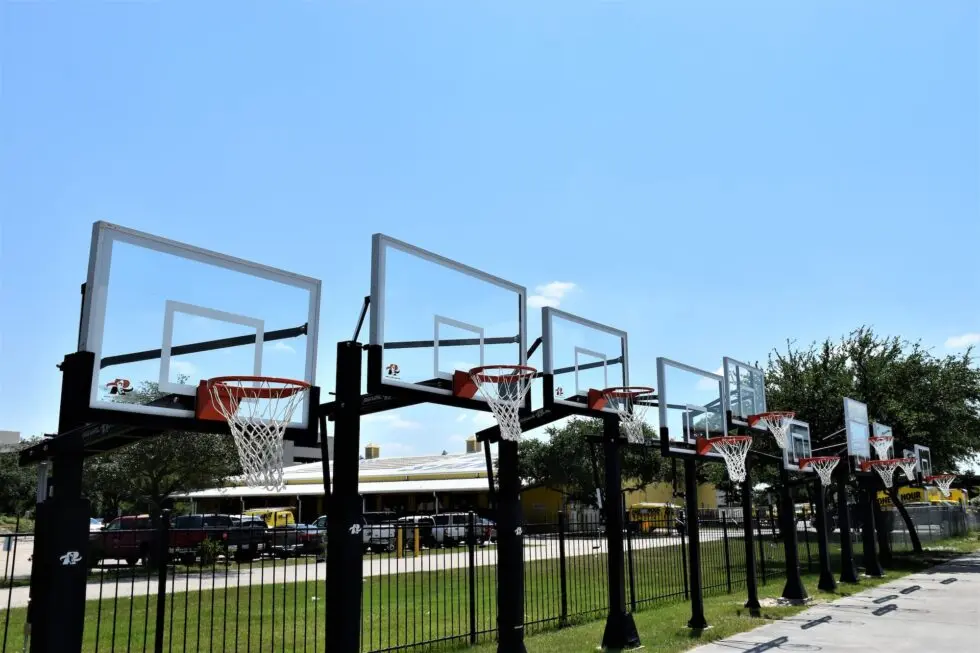
The official answer to how big is a basketball court starts with the NBA and college level. These courts measure 94 feet in length and 50 feet in width. This size allows enough space for fast transitions, spacing between players, and strategic gameplay. The full length supports both offensive and defensive movement without crowding. Every part of the court has been designed to balance speed, skill, and structure. These dimensions also ensure consistency across professional and college games, which makes it easier for players to transition between levels.
However, this full size is not always practical outside professional settings. It requires a large amount of space and proper safety clearance around the edges. Many residential properties and recreational areas simply cannot support a full-size layout. That is why modified courts exist. Understanding the standard dimensions still matters because it gives you a reference point when planning a smaller or custom court.
High School And Youth Court Sizes
At the high school level, basketball courts are slightly smaller. Most high school courts measure 84 feet long and 50 feet wide. The reduced length helps match the speed and strength of younger players. Youth courts can be even smaller depending on age and skill level. These adjustments are intentional and help players develop their skills in a more controlled environment.
Smaller courts make it easier for beginners to learn shooting, passing, and positioning without being overwhelmed by distance. They also reduce fatigue, which allows players to focus more on technique. As players grow, they transition to larger courts that challenge their endurance and strategy. This gradual progression is one of the reasons basketball is easy to learn but still highly competitive at advanced levels.
Half Courts And Backyard Court Options
Most homeowners asking how big is a basketball court are not planning to build a full 94-foot layout. A half court is the most common choice for residential spaces. Half courts typically measure around 50 feet long and 42 to 50 feet wide, depending on available space. This size supports shooting practice, one-on-one games, and small group play.
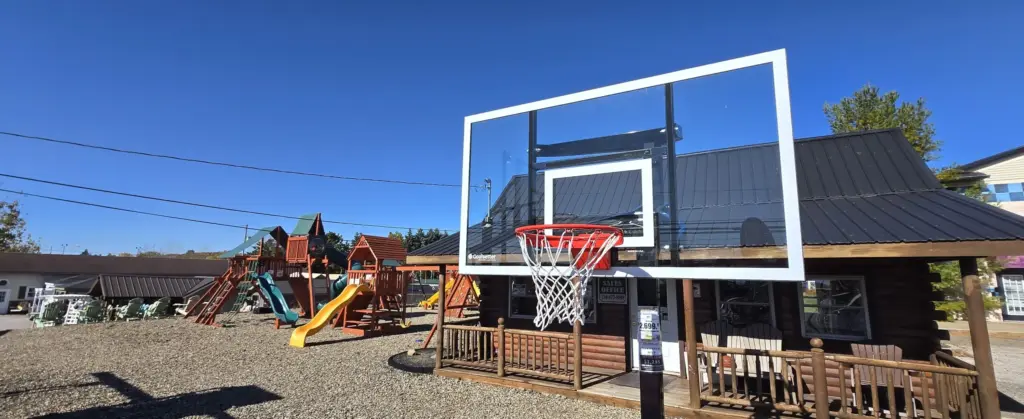
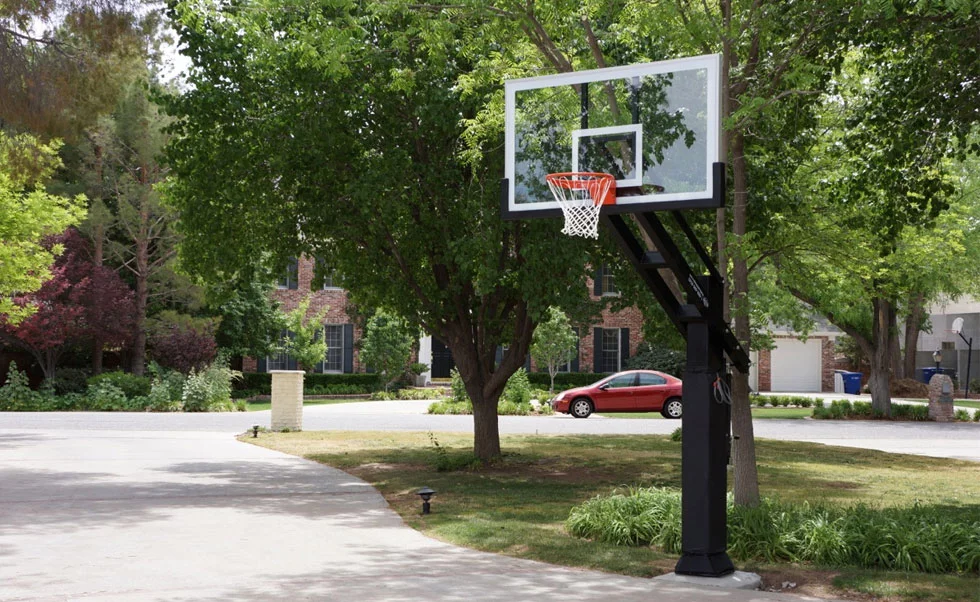
A well-designed half court can still feel complete and enjoyable. It allows for proper spacing without requiring a large property. Many families prefer this option because it is easier to maintain and fits naturally into a backyard. A setup like Goalsetter Captain works well in these environments because it provides structure without overwhelming the space. The goal is not to copy a professional arena but to create a functional area that gets used regularly.
Key Markings On A Basketball Court
When discussing how big is a basketball court, the lines inside the court are just as important as the outer dimensions. These markings define how the game is played. The center circle is used for tip-offs, while the free throw lane controls positioning during foul shots. The free throw line sits 15 feet from the basket, and the three-point line varies depending on the level of play.
Each line has a purpose. The key area affects how players position themselves near the basket. The three-point line changes scoring strategy. The half-court line divides the playing area and sets rules for backcourt violations. Without these markings, the game would lose structure. Even in backyard courts, adding proper lines improves both gameplay and learning. Players develop better habits when they practice on a clearly defined surface.
How Court Size Affects Gameplay
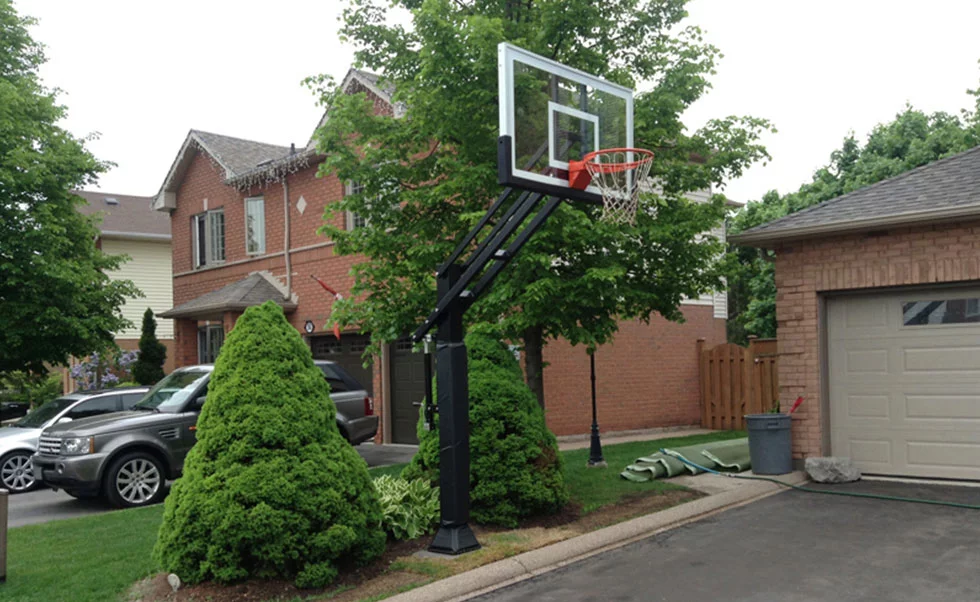
Court size has a direct impact on how basketball is played. Larger courts create more space for passing, cutting, and fast breaks. Players have more room to move, which encourages speed and teamwork. Smaller courts feel more compact and often lead to quicker decisions and tighter defense. Understanding how big is a basketball court helps explain why professional games look different from casual games. On a full-size court, spacing becomes a key strategy. On a smaller court, players rely more on quick reactions and close-range play. Neither option is better. It simply depends on the purpose of the court. For training and recreation, a balanced size often provides the best experience.
Importance Of Quality Equipment And Setup
The court size alone does not define the playing experience. The quality of the hoop and overall setup matters just as much. A durable system like Goalsetter Contender ensures stability, proper rebound, and long-term reliability. A poorly installed or low-quality hoop can affect shooting accuracy and safety. Good equipment supports consistent performance. It allows players to practice effectively and enjoy the game without distractions. The combination of proper court size and reliable equipment creates a complete playing environment. Skipping one of these elements often leads to a disappointing setup.
Outdoor Vs Indoor Court Differences
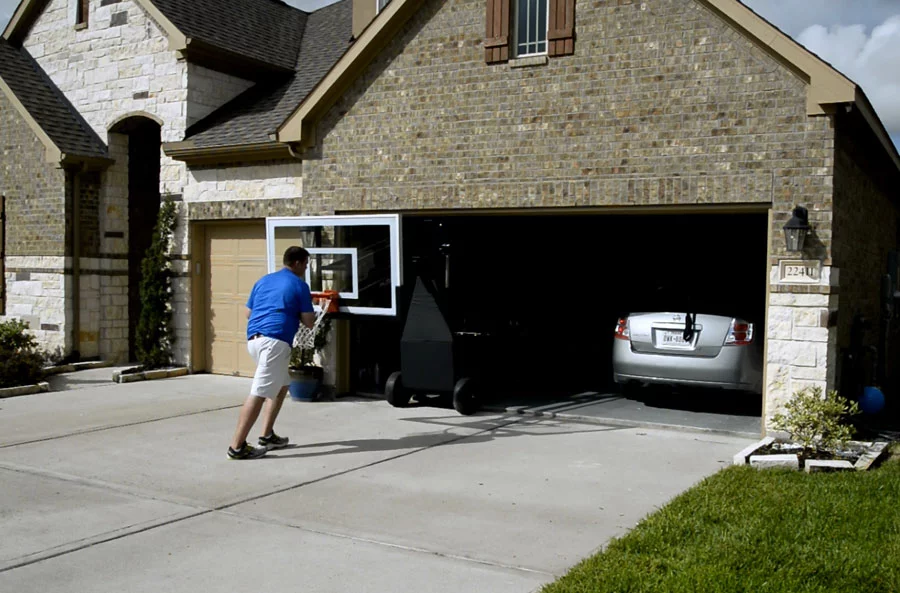
Outdoor and indoor courts follow the same basic dimensions, but they feel different during play. Indoor courts have smooth surfaces that provide consistent ball bounce and better traction. Outdoor courts vary depending on the material used, which can affect movement and comfort. Weather also plays a role in outdoor courts. Rain, heat, and surface wear can change how the court performs over time. This is why proper maintenance is important. A well-maintained outdoor court can still provide an excellent playing experience. The key is choosing materials and designs that match your environment and usage.
Safety And Space Planning Considerations
When planning a basketball court, it is important to consider more than just the playing area. Safe use requires additional space around the court. Players need room to stop, move, and recover without hitting obstacles. This extra space improves safety and makes the court more enjoyable. According to the CDC Guidelines, safe environments are essential for staying active and preventing injuries. Proper spacing, good surface quality, and stable equipment all contribute to a safer playing experience. Planning helps avoid problems and ensures the court remains useful over time.
Conclusion
Understanding how big a basketball court should be makes it easier to choose a layout that fits your available space and playing goals. Whether you build a full-size court, a half court, or a compact backyard practice area, selecting the right dimensions improves gameplay, safety, and long-term enjoyment. Pairing the court with quality equipment creates an even better experience for players of every age.
If you’re ready to build your own backyard basketball court, explore the premium basketball hoops and outdoor play equipment available at Kids World Play Systems. Our team can help you choose the right system to create a safe and enjoyable place for family fun and skill development.