
To understand how can sports injuries be prevented, it is important to first understand why they occur. Sports injuries often happen when the body is pushed beyond its limits or placed under repeated stress without enough recovery time. Sudden movements, improper technique, fatigue, and unsafe environments all contribute to injury risk. Athletes of all ages experience injuries, from children playing recreational sports to adults competing at higher levels.
Many injuries are not caused by a single incident but develop gradually over time. Overuse, poor conditioning, and lack of preparation can weaken muscles and joints. When these weaknesses combine with intense activity, the risk of injury increases. Preventing injuries starts with recognizing these patterns and addressing them before damage occurs.
The Role of Proper Warm Up and Preparation
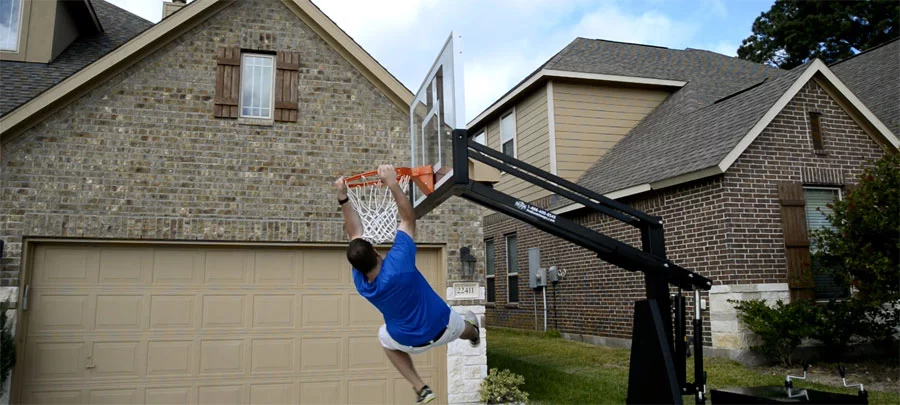
One of the most effective answers to how can sports injuries be prevented is proper warm up before activity. Warming up prepares muscles and joints for movement by increasing blood flow and flexibility. Cold muscles are more prone to strains and tears, especially during sudden or explosive movements common in sports. A proper warm up should be consistent and intentional. Light movement followed by dynamic stretching helps the body transition safely into activity. Athletes who regularly warm up reduce their risk of muscle injuries and improve overall performance.
Importance of Correct Technique and Skill Development
Using proper technique is essential when considering how can sports injuries be prevented. Poor form during running, jumping, throwing, or lifting places unnecessary stress on joints and muscles. Over time, incorrect technique can lead to chronic injuries that interfere with participation and long term health. Coaches and trainers play a vital role in teaching correct movement patterns. Early correction of bad habits helps athletes move efficiently and safely. Skill development should progress gradually to allow the body time to adapt.
Strength Training and Conditioning
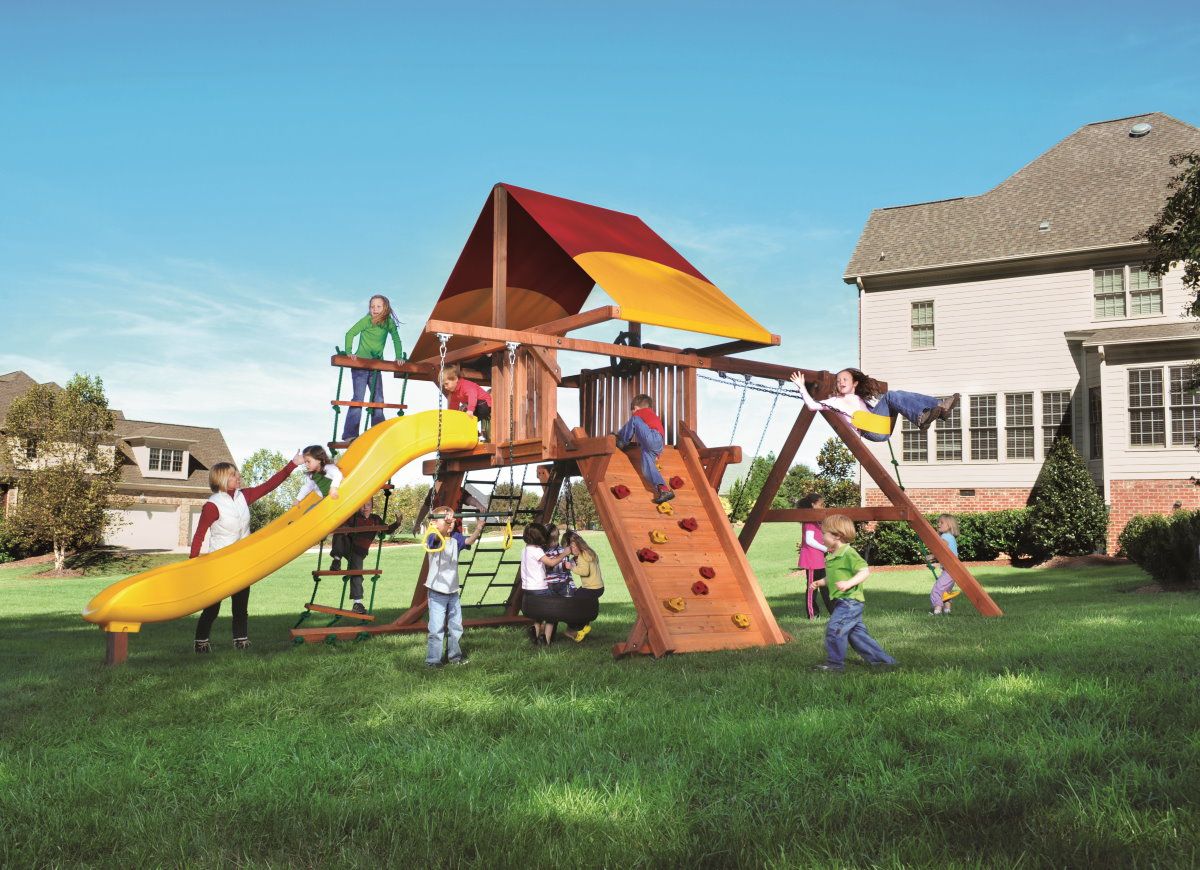
Strength training supports injury prevention by stabilizing joints and improving muscular balance. Strong muscles absorb impact and reduce stress on ligaments and tendons. Conditioning programs that focus on the entire body rather than isolated movements create a more resilient athlete. Weak or imbalanced muscles force other areas of the body to compensate, increasing injury risk. Balanced strength training helps distribute physical demands evenly, which is a key factor in answering how can sports injuries be prevented.
Flexibility and Mobility for Injury Prevention
Flexibility and mobility are often overlooked but play an important role in preventing injuries. Tight muscles restrict movement and increase strain on joints. Stretching helps maintain range of motion and supports efficient movement patterns during sports activity. Regular flexibility work improves coordination and reduces muscle tension. Athletes who maintain flexibility are less likely to experience strains and overuse injuries, especially during repetitive movements.
Rest, Recovery, and Managing Overuse
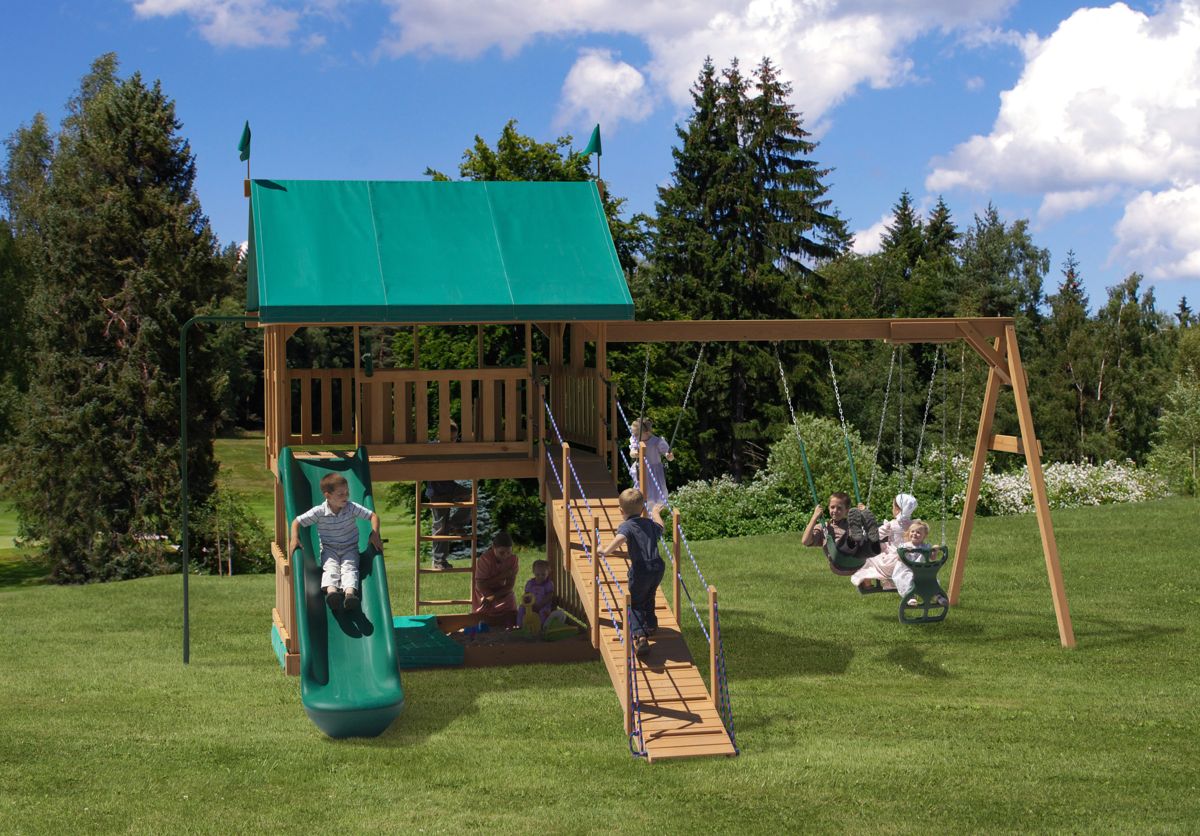
Rest is one of the most important but misunderstood components of injury prevention. Overuse injuries occur when the body does not have enough time to recover between activities. Pain that worsens over time is often a sign that recovery is inadequate. Adequate sleep, rest days, and recovery periods allow tissues to repair and strengthen. Managing workload and listening to the body are essential steps in understanding how can sports injuries be prevented over the long term.
Using Proper Equipment and Protective Gear
Protective equipment plays a major role in reducing injury severity. Helmets, pads, braces, and appropriate footwear protect vulnerable areas of the body. Equipment should fit properly and be designed for the specific sport being played. Worn or poorly fitted gear can increase injury risk. Regular inspection and replacement ensure protective equipment remains effective. Parents and coaches should monitor equipment fit, especially for growing children.
Safe Playing Surfaces and Environments
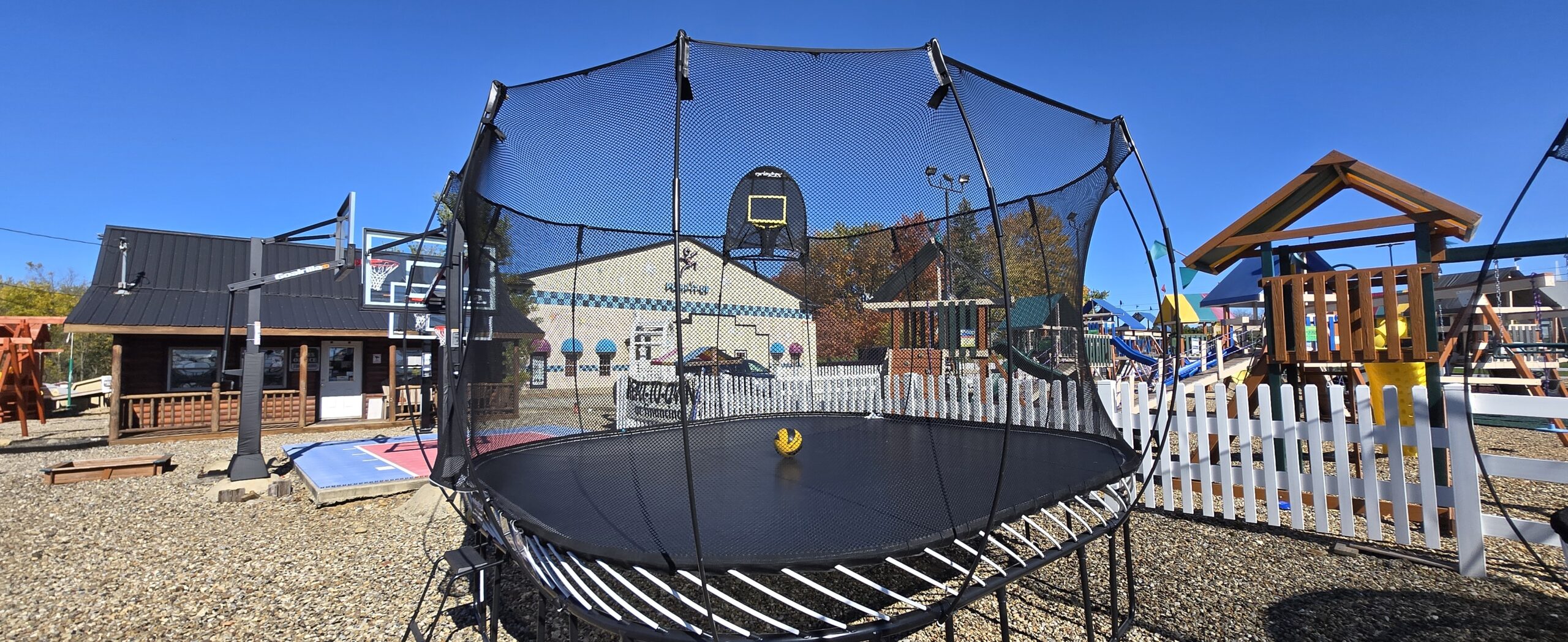
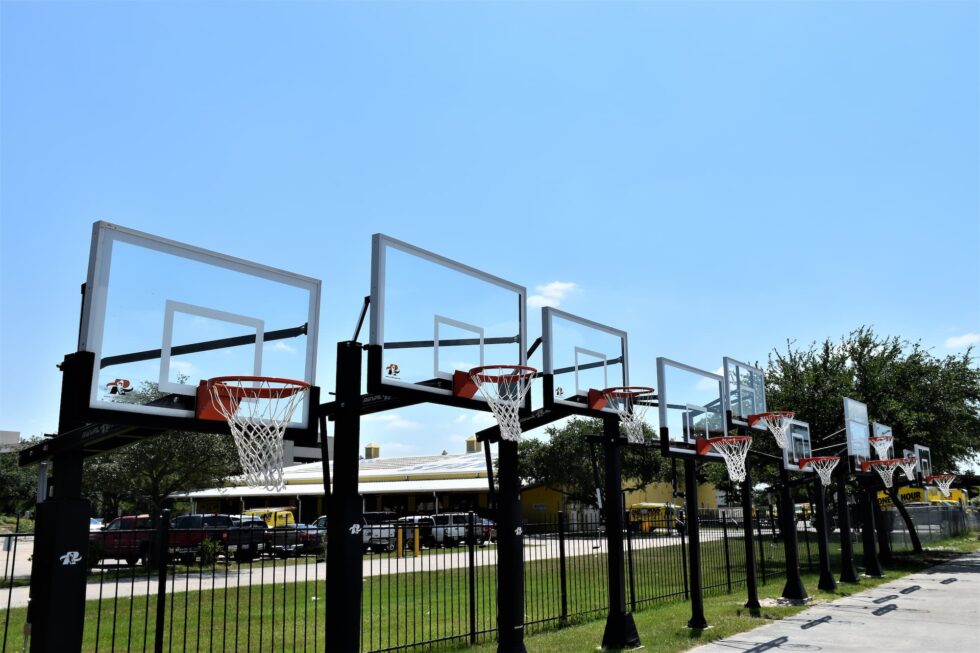
The condition of the playing environment directly affects injury risk. Uneven ground, slippery courts, and cluttered play areas increase the likelihood of falls and collisions. Safe environments support proper movement and reduce unexpected hazards. Outdoor and recreational play spaces should be designed with safety in mind. Families planning activity areas often coordinate layout and spacing with equipment from providers like Kids World Play Systems, which focuses on functional and safe play environments.
Youth Sports and Injury Prevention
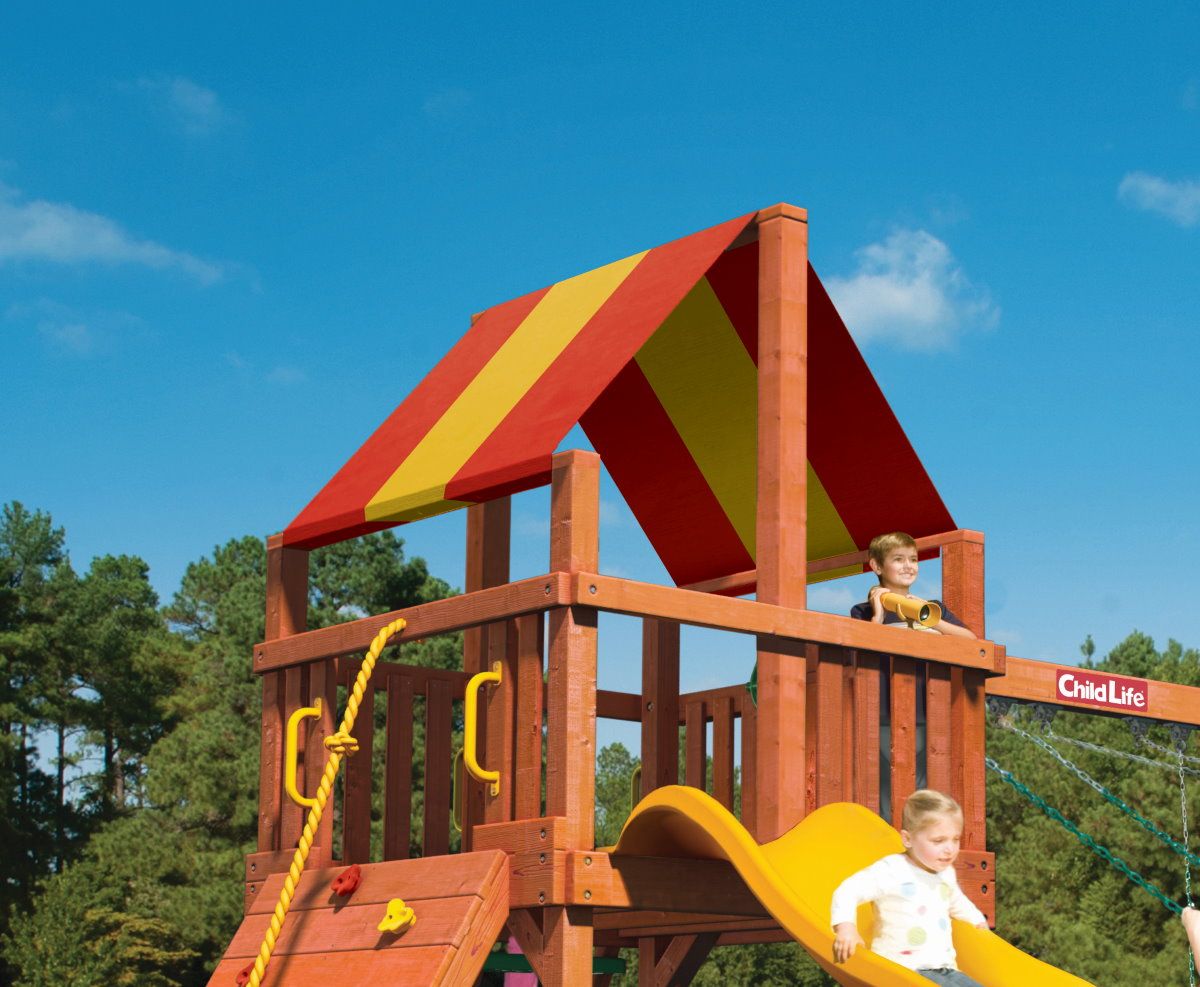
Children face unique injury risks because their bodies are still developing. Growth plates are vulnerable to excessive stress, and improper training intensity can affect long term development. Teaching proper technique and prioritizing enjoyment over competition helps reduce injury risk in youth sports. Encouraging variety rather than early specialization supports balanced physical development. Learning about sports structure and movement, including resources such as how basketball was created, helps parents and coaches understand the importance of organized and age appropriate play.
Hydration, Nutrition, and Physical Readiness
Hydration supports muscle function, coordination, and temperature regulation. Dehydration increases fatigue and decreases reaction time, which raises injury risk. Athletes should hydrate before, during, and after activity to maintain performance and safety. Nutrition also supports injury prevention by fueling muscles and aiding recovery. Balanced meals help maintain energy levels and support tissue repair. Poor nutrition can delay healing and increase vulnerability to injury.
Education and Awareness in Sports Safety
Education is a powerful tool in injury prevention. Athletes who understand their bodies and recognize warning signs are more likely to seek help early. Distinguishing between normal soreness and injury related pain prevents further damage. Safety awareness should extend to coaches, parents, and program organizers. Understanding rules, structure, and spacing, including topics like how many basketball players are on the court, reinforces organized and controlled play.
Medical Guidance on Preventing Sports Injuries
Medical professionals emphasize that many sports injuries are preventable. According to guidance from the Mayo Clinic, proper conditioning, technique, and equipment significantly reduce injury risk. Early evaluation and appropriate treatment improve recovery outcomes. Ignoring symptoms often leads to prolonged recovery and increased injury severity.
Long Term Benefits of Injury Prevention
Preventing injuries supports long term physical health and sustained participation in sports. Athletes who remain injury free are more likely to enjoy activity and maintain fitness throughout life. Confidence increases when athletes feel prepared and protected. Injury prevention allows individuals to focus on skill development and enjoyment rather than fear of setbacks.
Final Thoughts
Understanding how can sports injuries be prevented involves preparation, education, and consistent safe practices. Proper warm ups, correct technique, strength training, rest, and safe environments all play essential roles. Injury prevention is not a single action but a combination of habits that support long term health. For families and organizations seeking professional guidance on creating safe recreational environments, visit the official website of Kids World Play Systems. Their expertise helps support safe play, structured activity, and lasting value for athletes of all ages.