
How long is a kids basketball game
Parents often wonder how long is a kids basketball game before signing their child up for a league or tournament. The answer depends on the player’s age, the league’s rules, and whether the game is recreational or competitive. Younger children usually play shorter games that focus on learning basic skills and having fun, while older players spend more time on the court as their endurance and understanding of the game improve. Knowing the typical game length helps families prepare for practices, tournaments, and game days while setting realistic expectations for young athletes.
Game Length Depends On The Child’s Age
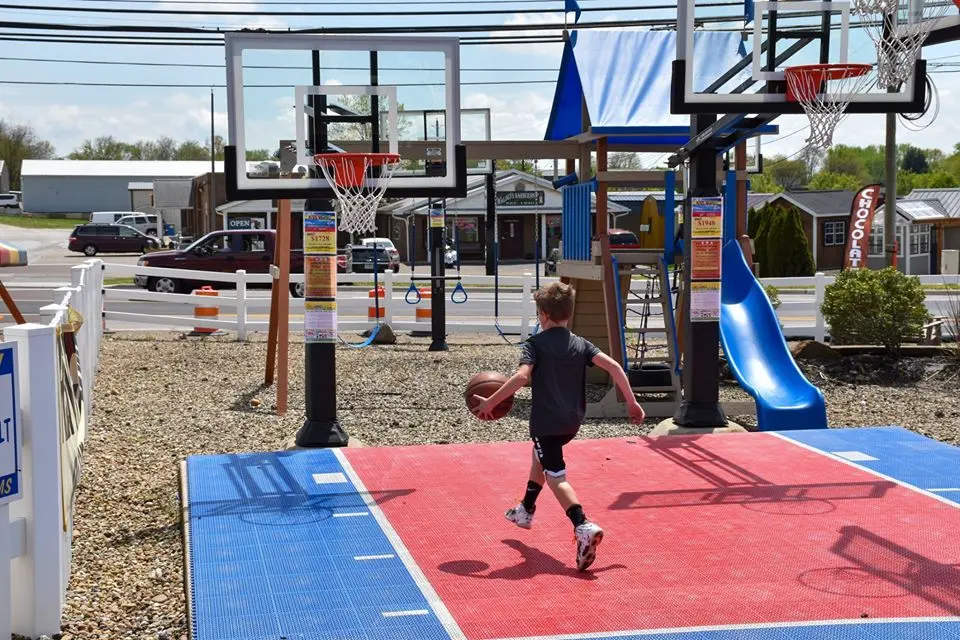
When discussing how long is a kids basketball game, age is the biggest factor. Most youth basketball organizations shorten games for younger players to match their physical development and attention span. Children between five and eight years old often play four quarters of six to eight minutes each. This allows them to stay engaged without becoming overly tired. As players get older and develop better conditioning, game lengths gradually increase to prepare them for middle school and high school basketball.
Players between nine and twelve years old commonly play games with eight-minute quarters or twenty-minute halves, depending on league rules. Teenagers participating in competitive youth leagues may play games that closely resemble high school basketball. While the clock may show only thirty to forty minutes of playing time, the entire event usually lasts much longer because of halftime, substitutions, fouls, timeouts, and short breaks between quarters. Parents should plan to spend at least one hour at the gym for most youth basketball games.
Different Leagues Use Different Game Formats
There is no single rule that applies to every youth basketball organization. Community recreation leagues, travel teams, school leagues, YMCA programs, and Amateur Athletic Union tournaments often use different game formats. Some organizations prefer four quarters because they mirror professional basketball, while others use two halves to simplify scorekeeping and scheduling. Tournament games may also have modified time limits so multiple games can fit into one day.
Because every organization has its own rules, parents should review the league handbook before the season begins. Knowing the format helps families understand how much playing time to expect and makes scheduling much easier. Some leagues also use a running clock during portions of the game to keep events on schedule, while others stop the clock after every whistle. These small rule differences can change the total time spent at the gym even when the official game length remains the same.
Why Kids Basketball Games Are Kept Shorter
The reason youth basketball games are shorter is simple. Young athletes are still developing physically, mentally, and emotionally. Shorter games allow children to maintain better focus while reducing fatigue and the risk of overuse injuries. Coaches also have more opportunities to teach skills because younger players remain energetic throughout the game instead of becoming exhausted during the later quarters.
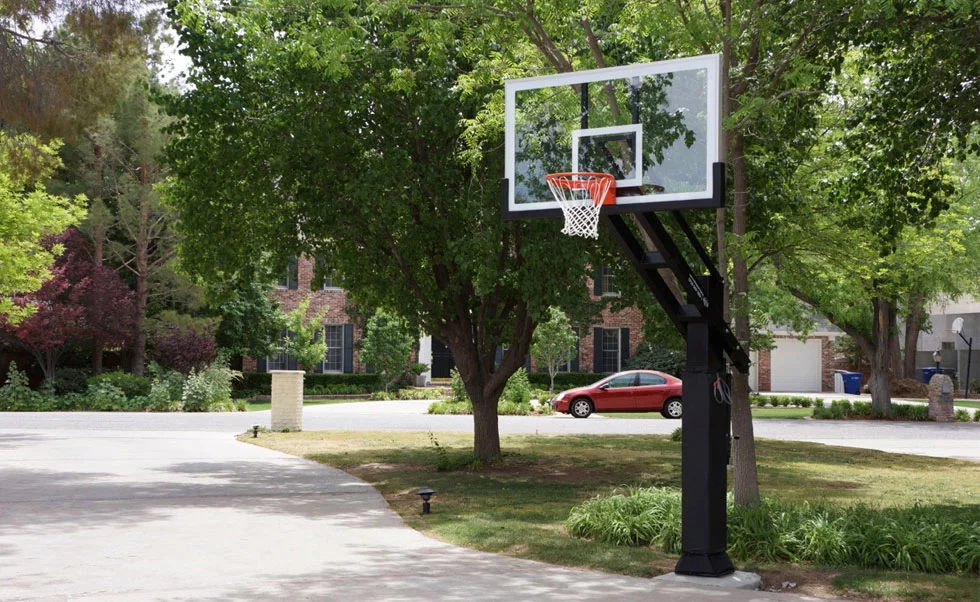
Practice is just as important as games during a child’s development. Having access to a dependable basketball hoop allows children to work on shooting, passing, and ball handling between team practices while enjoying the game in a relaxed environment.
What Happens During A Typical Kids Basketball Game
A youth basketball game includes much more than the actual playing time shown on the scoreboard. Before tip-off, teams usually spend several minutes warming up with shooting drills, stretching, and passing exercises. During the game, coaches rotate players regularly so everyone has an opportunity to participate and continue developing their skills. Halftime gives players a chance to rest, receive coaching instructions, and prepare for the second half.
Parents should also expect occasional stoppages for substitutions, fouls, injuries, and timeouts. According to the USA Basketball Player Development resources, youth basketball should emphasize skill development, enjoyment, and age-appropriate competition rather than simply winning games. Understanding this philosophy helps families appreciate why youth games are structured differently from professional basketball.
How Long Does An Entire Game Day Last?
Although parents often ask how long is a kids basketball game, they are usually trying to estimate the total amount of time they will spend at the gym. While the game itself may last between 30 and 40 minutes of playing time, the complete experience is often closer to 60 to 90 minutes. Players are generally expected to arrive 20 to 30 minutes early for warm-ups, team meetings, and check-in. After the final buzzer, coaches may gather the team for a short discussion before families head home.
Tournament days require even more planning because teams sometimes play multiple games within a few hours. Players should bring water, healthy snacks, and comfortable clothing to stay energized throughout the day. Parents may also spend extra time traveling between venues if tournaments use several gyms. Understanding the full schedule helps families prepare without feeling rushed and allows young athletes to focus on enjoying the game.
How Parents Can Help Young Players Enjoy The Game
Parents play an important role in creating a positive basketball experience. Rather than focusing only on the scoreboard, encourage your child to improve one skill at a time, such as passing, shooting, or defensive positioning. Praising effort, teamwork, and good sportsmanship builds confidence and keeps basketball enjoyable. Young players develop at different speeds, so comparing them with teammates often creates unnecessary pressure instead of motivation.
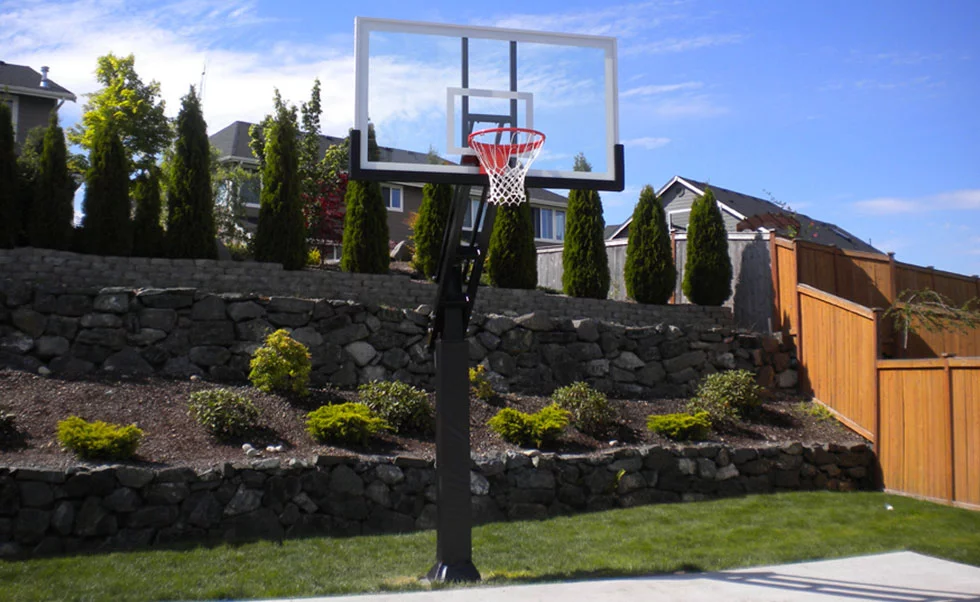
Regular practice outside team sessions also helps children improve while keeping the sport fun. A dependable home basketball system such as the Goalsetter X560 gives kids a place to practice free throws, layups, and ball handling whenever they want. Short practice sessions throughout the week often produce better long-term improvement than relying only on organized team practices.
How Youth Basketball Changes As Kids Get Older
As children grow, both the rules and game length gradually become more similar to high school basketball. Older youth leagues introduce longer quarters, more advanced defensive strategies, and increased competition. Players also develop greater endurance, allowing them to handle longer games without sacrificing performance. These changes prepare athletes for higher levels of basketball while continuing to emphasize teamwork and skill development.
The transition happens gradually so players can build confidence each season. Coaches usually introduce new rules and strategies step by step instead of overwhelming younger athletes with advanced concepts. This steady progression helps children enjoy the learning process while continuing to improve their basketball knowledge and physical abilities.
Conclusion
Knowing how long is a kids basketball game helps parents plan their schedules and gives young players realistic expectations before the season begins. Most games are intentionally shorter than adult basketball because they focus on skill development, participation, and enjoyment. Factors such as age, league rules, and tournament schedules all influence the total time spent at the gym, but youth basketball is designed to create a positive experience for players at every level.
Whether your child is playing their first season or continuing to build their skills, having opportunities to practice at home can make a big difference. Quality equipment and regular practice help young athletes grow more confident while keeping basketball fun for the entire family. To explore premium basketball hoops and outdoor play solutions, visit Kids World Play.