
How Many Basketball Players Are On A Team
The answer to how many players are on a basketball team depends on the competition and playing format. Traditional five-on-five basketball features five players from each team on the court. However, the full roster includes additional players. During the 2026-27 NBA season, teams can ordinarily carry up to 15 players on standard contracts and three players on two-way contracts. This differs from official 3×3 basketball, which uses three players per side and one substitute per team. Therefore, while fans see five athletes competing during live play, the full team structure is much deeper. This balance between starters and bench players allows teams to manage fatigue, injuries, and game strategy effectively.
Five Players On The Court
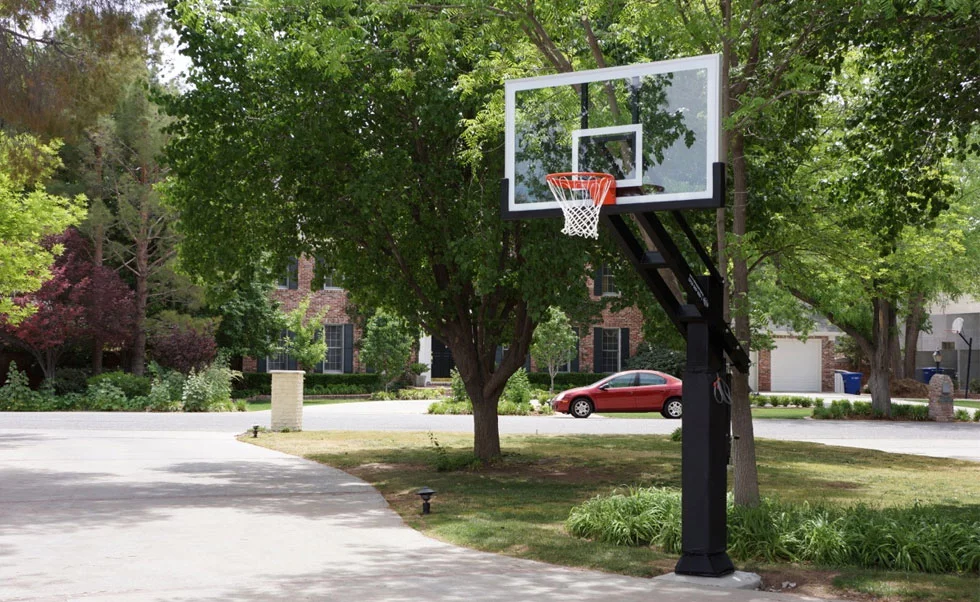
In traditional five-on-five basketball, each team starts the game with five players on the court. These positions traditionally include point guard, shooting guard, small forward, power forward, and center. Although modern basketball often blends these roles, the five-player format remains unchanged. Because of this structure, teamwork and spacing become essential. Each player must contribute both offensively and defensively. Substitutions occur frequently, especially during fast-paced games. As a result, coaches rely on bench depth to maintain energy throughout all four quarters.
NBA Roster Size Explained
During the 2026-27 NBA season, teams can ordinarily maintain up to 15 players on standard contracts and three additional players on two-way contracts. This allows teams to carry up to 18 contracted players under normal roster rules. Contracted players, game-active players, and on-court players represent three different groups. A contracted player may not qualify to participate in every game. The game-active roster identifies players eligible for a particular matchup. However, only five players from each team normally compete on the court at any given time. These distinctions explain why NBA teams maintain larger rosters than their starting lineups.
NBA teams also need to consider player availability when preparing for upcoming games. Injuries, illnesses, and other circumstances can affect which players participate in a particular matchup. Coaches may adjust their starting lineups based on available personnel and the opposing team’s playing style. Players who normally serve as substitutes may receive starting opportunities when regular starters are unavailable. However, these changes do not necessarily affect the total number of contracted players. This distinction is particularly useful when reading team statistics or checking game previews. A published team roster may include players who will not participate in that day’s game.
College Basketball Team Numbers
College basketball also uses five players on the court. However, roster sizes vary by division and program structure. College basketball roster requirements depend on the NCAA division and applicable regulations. Scholarship allowances and total roster limits are separate considerations. Colleges must follow the current requirements that apply to their specific athletic programs.
Some programs also include walk-on athletes who practice with the team. Because college seasons include conference play and tournaments, depth becomes important late in the year. Coaches rotate players based on matchup needs and foul trouble. As a result, having extra athletes available supports long-term competitiveness.
High School Basketball Rosters
High school basketball also uses five players per team on the court during traditional games. Full roster sizes depend on school policies, competition regulations, and available participants. Schools may maintain separate varsity and junior varsity teams. Additional players allow coaches to manage substitutions, provide playing opportunities, and adjust their lineups during games.
Basketball Team Sizes Across Different Formats
Basketball team sizes vary according to the competition and playing format. The following comparison distinguishes the number of players on the court from the full roster.
| Competition | On-Court Players Per Team | Full Roster |
|---|---|---|
| NBA (2026-27) | 5 | Up to 15 standard and 3 two-way contracts, ordinarily |
| NCAA (2026-27) | 5 | Varies by applicable regulations |
| High School (2026-27) | 5 | Varies by school and competition |
| FIBA 3×3 | 3 | 4 players |
| Recreational Basketball | Varies | Depends on agreed rules |
Official 3×3 basketball takes place on a half-court with one basket. Each team includes three starting players and one substitute. This format offers a different approach to basketball while requiring fewer participants. Recreational games may follow even smaller formats depending on available players and court space.
According to FIBA’s official 3×3 basketball guidelines, each team consists of three on-court players and one substitute. Games take place on a half-court using a single basket. These rules demonstrate why traditional five-on-five team sizes do not apply to every basketball competition.
Why Depth Is Important
Basketball demands constant movement, quick reactions, and high endurance. Because of this pace, players need rest during games. Bench athletes provide fresh energy and different skill sets. For example, a defensive specialist might enter late to protect a lead. Likewise, a three point shooter may substitute in during scoring droughts. Depth protects teams from injury setbacks and foul trouble. Over a long season, roster strength often determines playoff success. While five compete at once, the entire team contributes behind the scenes.
Substitution Strategy During Games
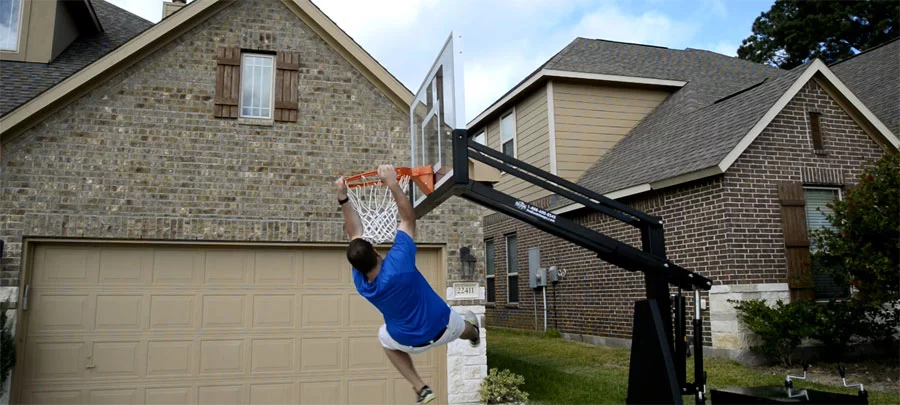
Substitutions play a major role in how teams use their full roster. Because only five players compete at one time, coaches must decide when to rotate athletes in and out. For example, starters may rest at the end of the first quarter to conserve energy. Meanwhile, bench players enter to maintain pace and defensive pressure. This rotation prevents fatigue and reduces injury risk. In addition, substitution timing often depends on matchups. A taller lineup may enter to secure rebounds, while smaller players may increase speed. Therefore, roster depth directly influences in-game strategy.
Player substitutions also allow teams to respond to changing game situations. For example, a coach may introduce additional perimeter shooters when the team needs more scoring opportunities. A defensive specialist may enter the game when protecting a narrow lead becomes important. Coaches can also adjust their lineups when individual players approach their foul limits. The available substitutes give teams more options without changing the number of players on the court. These decisions depend on player abilities, competition rules, and the circumstances of each game. Smaller basketball formats also allow substitutions, although their procedures differ from traditional five-on-five basketball.
Building Team Skills At Home
Families do not need a full basketball roster to enjoy the sport at home. Four participants can organize a two-on-two game, while six players can form two teams of three. These smaller games provide opportunities to practice shooting, passing, defending, and teamwork. Players can also adjust recreational game rules according to their skill levels and available space.
Families can explore backyard basketball hoops that suit their outdoor areas. Individual practice can help children develop shooting accuracy, ball control, and coordination. Regular recreational games also allow children to become more familiar with basketball fundamentals before joining organized teams.
Conclusion
Determining how many players are on a basketball team requires considering the competition and playing format. Traditional basketball uses five players per side, while official 3×3 basketball uses three. NBA teams can maintain larger contracted rosters, although game-active players and starting lineups represent different groups. College, high school, and recreational competitions follow their own applicable requirements.
At Kids World Play Systems, we offer basketball hoops, swing sets, trampolines, playsets, and other outdoor playground equipment. Our products help families create recreational spaces where children can practice sports, develop physical skills, and enjoy outdoor activities. Whether playing individually or with friends, children can enjoy basketball without needing a full competitive team.