
How Tall Is A Basketball Hoop
Estimated reading time: 8 minutes
Basketball hoops are one of the most recognizable parts of the sport, yet many people never stop to think about their actual height. From youth leagues and school gyms to NBA arenas and backyard courts, hoop height affects shooting technique, player development, and overall gameplay. Parents building home courts often ask the same question before purchasing equipment: how tall is a basketball hoop? While the standard answer is simple, the full topic involves age differences, regulation standards, training adjustments, and the way hoop height shapes player performance at every level of the game.
How Tall Is A Basketball Hoop In Official Basketball
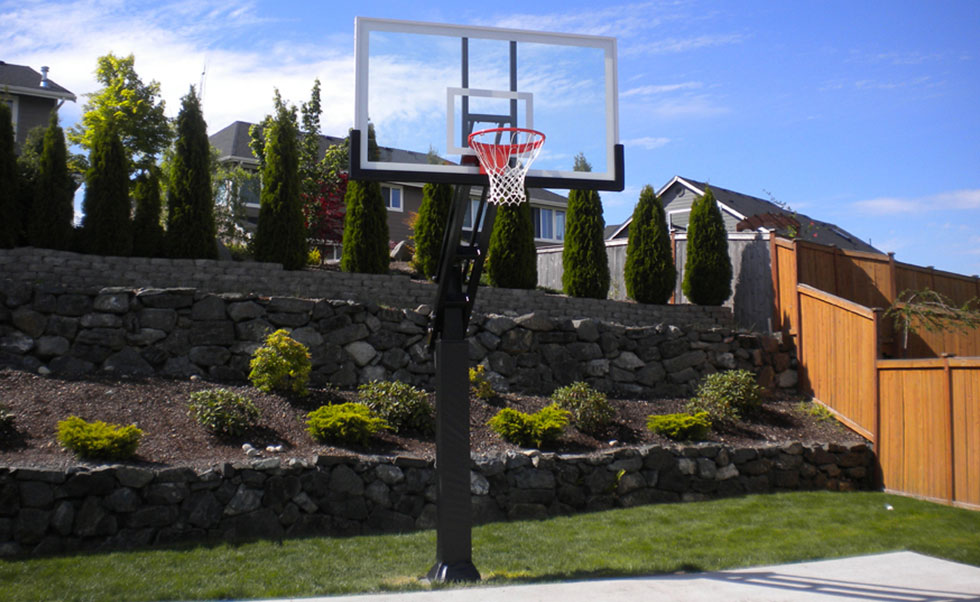
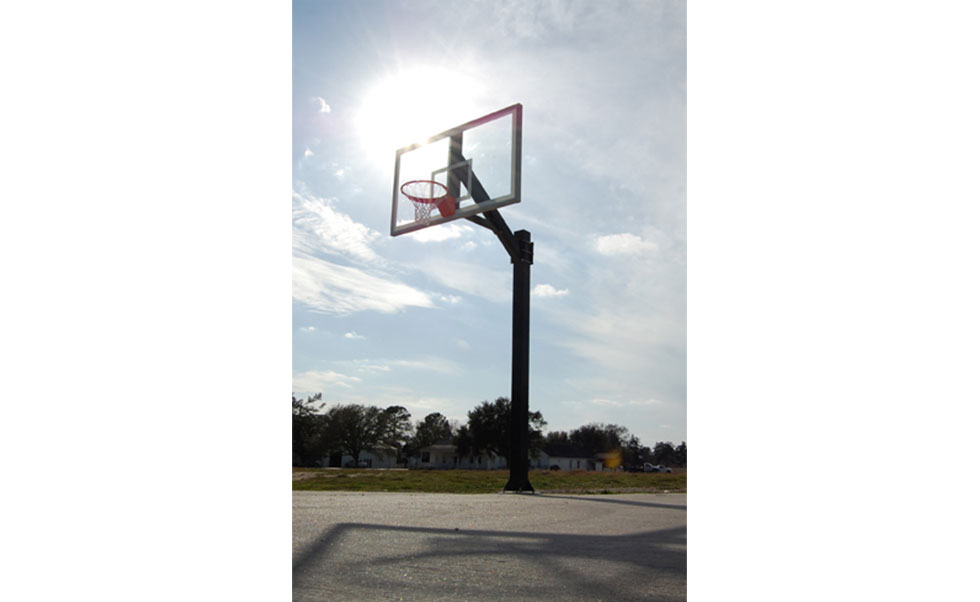
The official height of a basketball hoop in professional, college, and high school basketball is 10 feet from the playing surface to the rim. This measurement has remained the official standard for generations and applies to leagues such as the NBA, NCAA, and FIBA international basketball. The rim itself measures 18 inches in diameter and attaches to a rectangular backboard positioned behind the basket.
The 10-foot standard may seem simple, but it plays a major role in how basketball is played. Shooting mechanics, rebounding, dunking ability, and defensive strategy all depend on this height. Even slight adjustments would completely change scoring patterns and gameplay balance. Players spend years developing shooting form and muscle memory based on regulation hoop height, which is why consistency matters so much across competitive basketball environments. Understanding how tall is a basketball hoop helps players and parents create more realistic training setups while appreciating how standardized equipment shapes the sport itself.
Why Basketball Hoops Are Set At 10 Feet
The 10-foot basketball hoop height dates back to the invention of basketball in 1891. Dr. James Naismith created the game inside a gymnasium where peach baskets were attached to the lower railing of a running track. That railing happened to sit 10 feet above the floor, and the measurement eventually became permanent as basketball evolved into a global sport.
Over time, players became faster, taller, and more athletic, but the hoop height remained unchanged. Many basketball historians believe keeping the rim at 10 feet helped preserve competitive balance while allowing the sport to evolve naturally. Raising the rim higher could reduce scoring dramatically, while lowering it would likely make dunking and close-range shots too easy at elite levels. According to the NBA official rules, maintaining consistent court and equipment measurements is essential for fairness and competitive integrity. The 10-foot rim has become deeply connected to basketball identity, and changing it would completely alter how the sport feels and functions.
Basketball Hoop Heights For Different Age Groups
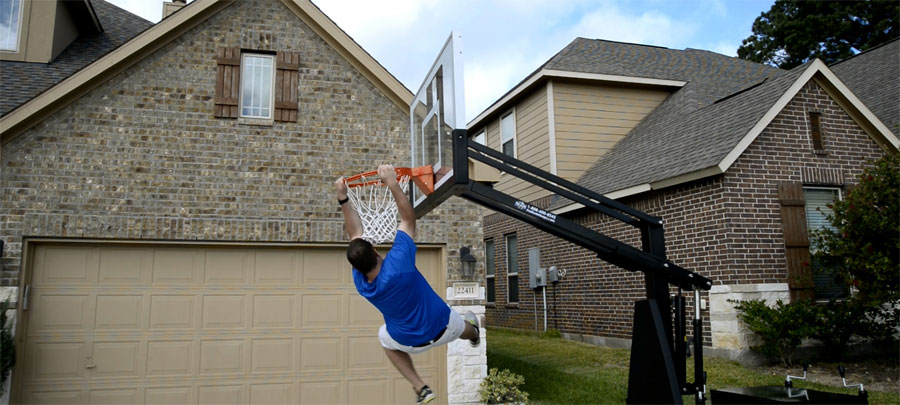
Younger basketball players often use lower hoop heights because children are still developing strength, coordination, and shooting mechanics. Adjustable hoops help young athletes learn proper form without forcing unnatural shooting motions caused by rims that are too high. Many youth leagues use lowered baskets for beginner divisions to create more confidence and encourage skill development during early stages of learning.
Common youth basketball hoop heights include 6 feet for very young children, 8 feet for elementary-age players, and 9 feet for middle school athletes preparing for regulation play. As players grow stronger, coaches gradually transition them toward the official 10-foot height used in competitive basketball. Adjustable systems such as Goalsetter Captain make this process easier because families can change hoop height as children improve over time. Understanding how tall is a basketball hoop at different ages helps parents create better training environments that support both confidence and long-term skill development.
How Hoop Height Affects Shooting Mechanics
Basketball hoop height directly affects shooting form and player mechanics. When a hoop is too high for a player’s strength level, athletes often develop poor habits such as throwing the ball from the chest, using excessive force, or losing proper shooting arc. These habits can become difficult to correct later, especially for younger players who practice repeatedly on improperly sized hoops.
Lower adjustable hoops allow players to focus on technique instead of forcing the ball upward with incorrect mechanics. Proper form includes balanced foot placement, controlled release, follow-through, and shooting arc. As players gain strength and coordination, coaches gradually raise the rim toward regulation height. This helps athletes maintain proper mechanics throughout development. Practicing consistently on quality basketball systems also improves rebound response and shooting rhythm. Understanding how tall is a basketball hoop becomes more important when players realize how strongly rim height influences muscle memory and long-term shooting consistency.
Can Adults Practice On Lower Basketball Hoops
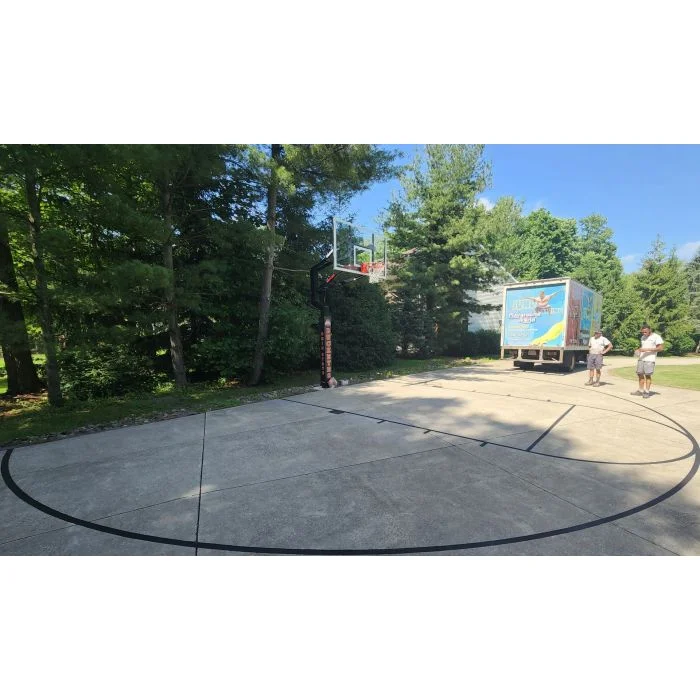
Many adults assume lower basketball hoops are only useful for children, but lower rims can also support skill development and training variety for older players. Coaches sometimes lower hoops during practice to help athletes improve finishing techniques, dunk timing, or confidence around the basket. Lower rims also allow recreational players to enjoy dunking and creative movement that may not be possible on full 10-foot hoops.
Training on adjustable hoops can improve coordination, jumping mechanics, and body control when used correctly. However, serious competitive players still need regular practice on regulation-height hoops to maintain realistic shooting and gameplay habits. Systems like Goalsetter Contender provide adjustable features that support both recreational play and long-term player development. Understanding how tall is a basketball hoop also means recognizing that different training heights can serve different purposes depending on player age, skill level, and goals.
How Basketball Hoop Height Changes Gameplay
The height of the basketball hoop affects nearly every part of the game. Scoring becomes more difficult as the rim gets higher because players need greater shooting accuracy, strength, and vertical jumping ability. Rebounding strategy also changes because players must judge bounce angles and jumping timing differently based on rim position. Even defensive systems rely heavily on standard hoop height because blocking shots and protecting the basket depend on predictable rim placement.
Professional basketball players spend years adapting their movement and shooting rhythm to the 10-foot standard. Dunking, alley-oops, and layups all require precise body control around the rim. If the hoop were even slightly lower, scoring efficiency would increase dramatically at higher levels of basketball. On the other hand, raising the rim could reduce offensive production significantly. Understanding how tall is a basketball hoop helps players appreciate how one simple measurement shapes the pace, excitement, and strategy of the sport.
Choosing The Right Basketball Hoop For Home Use
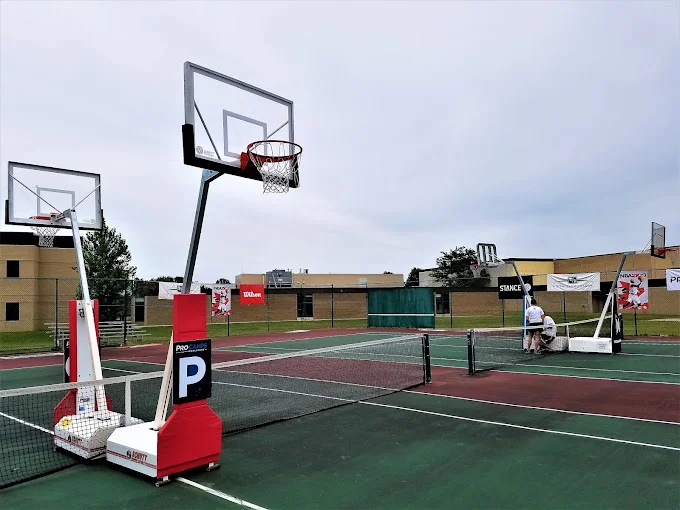
Families building backyard basketball courts should consider more than just hoop height when selecting equipment. Durability, adjustability, backboard material, and installation quality all affect long-term performance and safety. Adjustable basketball hoops are especially valuable for families with younger children because they allow the system to grow alongside developing athletes.
Portable hoops work well for some recreational spaces, but in-ground systems usually provide better stability and rebound consistency during competitive play. Professional installation also improves safety by securing the hoop correctly and reducing movement during gameplay. Homeowners looking for premium court setups often choose systems such as Goalsetter X660 because durable equipment creates a more realistic and enjoyable playing experience. Understanding how tall is a basketball hoop helps homeowners make smarter decisions when designing basketball spaces for long-term family use.
Why Consistent Hoop Height Matters For Development
Consistency is one of the most important factors in basketball development. Players improve through repetition, and consistent hoop height allows athletes to build reliable shooting mechanics, timing, and confidence over time. Constantly switching between dramatically different rim heights can interfere with muscle memory and create inconsistent performance during games.
This is especially important for younger athletes transitioning toward regulation basketball. Coaches often recommend gradual height adjustments rather than sudden changes because players need time to adapt physically and mentally. Practicing on properly adjusted hoops also reduces frustration by allowing athletes to experience realistic success while still being challenged appropriately. Understanding how tall is a basketball hoop matters because consistent equipment helps players develop stronger habits that carry into competitive basketball environments later.
Conclusion
So, how tall is a basketball hoop? The official basketball hoop height is 10 feet from the floor to the rim, and that standard applies across professional, college, and most competitive basketball leagues worldwide. However, younger players often benefit from adjustable hoops that support proper shooting mechanics and long-term skill development. Hoop height influences everything from shooting form and rebounding to overall game strategy and player confidence. Whether building a backyard court for family recreation or training for competitive basketball, choosing the right basketball system can make a major difference in both performance and enjoyment. Durable equipment, adjustable features, and proper installation all help create safer and more realistic playing environments. To explore premium basketball hoops and outdoor play solutions designed for long-term family use, visit Kids World Play.