
How To Anchor a Swing Set
Estimated reading time: 12 minutes
If you are wondering how to anchor a swing set, the process involves securing the structure firmly into the ground. Hence, it stays stable during active play and changing weather conditions. A properly secured swing set reduces movement, improves safety, and helps the equipment last much longer. Many homeowners underestimate how much force swings, climbing, and rough play place on the frame over time. Even a durable playset can begin to shift if the ground softens or the anchors loosen. Learning how to anchor a swing set correctly is not just about installation. It is also about preventing injuries, protecting the structure from damage, and creating a backyard play area that feels safe every time children use it.

Why Anchoring A Swing Set Matters
Anchoring a swing set is one of the most important safety steps during installation because an unsecured structure can shift, tilt, or even tip during active play. Swinging creates repeated force that gradually loosens the legs of the set from the ground. Children often climb, jump, and move unevenly across the structure, which increases the pressure even further. Without proper anchoring, the swing set may begin to wobble after only a short period of use. This movement not only damages the equipment over time but also increases the risk of injuries.
Weather conditions also make anchoring essential. Heavy rain softens soil, which can reduce stability and cause the legs to sink unevenly into the ground. Wind can also shift lighter structures if they are not properly secured. Even durable swing sets require strong anchors to maintain long-term stability. Families often invest in quality outdoor equipment expecting it to last for years, but poor installation can shorten the lifespan significantly.
Learning how to anchor a swing set helps prevent these issues before they start. A properly anchored structure stays level, performs better during active use, and creates a safer outdoor space for children. Stable equipment also reduces wear on joints, bolts, and support beams because the structure does not constantly shift under pressure. Taking time to anchor the set correctly creates better long-term safety and durability.
Choosing The Right Location Before Anchoring
The location of the swing set affects both safety and anchoring strength. Before installing anchors, it is important to choose a level area with enough clearance around the structure. Uneven ground can place extra stress on certain legs, making the swing set unstable even when anchors are installed. Flat ground provides more consistent support and allows the structure to distribute weight evenly during use.
Drainage is another important factor. Areas that collect water after rain can weaken soil and reduce anchor strength over time. Wet soil shifts more easily, which can loosen anchors and affect stability. Choosing a location with good drainage helps maintain stronger ground support throughout the year. It is also helpful to avoid placing a swing set too close to fences, trees, patios, or hard surfaces. Children need open space around the structure for safe swinging and movement.
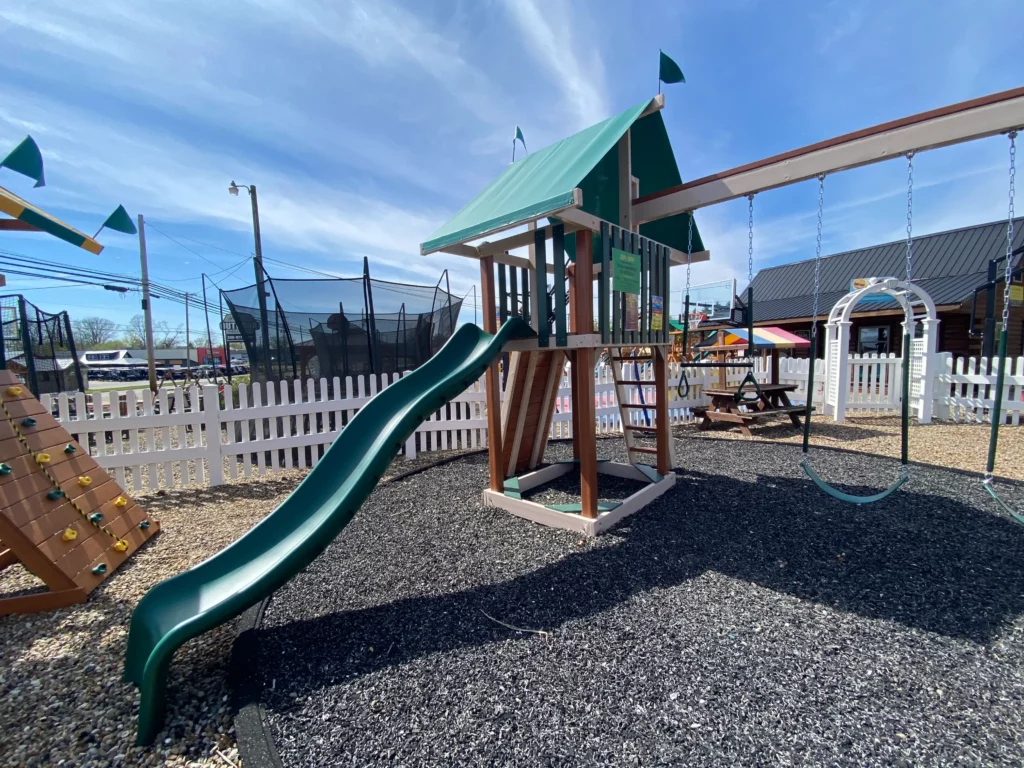
Ground surface matters as well. Grass, dirt, mulch, and rubber surfaces all respond differently to anchor installation. Rubber mulch is often preferred because it provides better fall protection while helping maintain a cleaner play environment. Installing a safe structure like Climber’s Glee Swing Set – Poly on a stable and well-prepared surface improves overall safety and long-term performance. Choosing the right location before anchoring makes the installation process smoother and helps prevent future stability problems.
Types Of Swing Set Anchors
Several types of anchors can be used to secure a swing set, and the best choice depends on the ground surface and the size of the structure. Spiral anchors are one of the most common options for backyard installations. These anchors twist deep into the soil and attach to the legs of the swing set with brackets or chains. They provide strong resistance against pulling and shifting while remaining relatively easy to install.
Concrete anchors provide even greater stability and are often used for larger swing sets or permanent installations. This method involves digging holes near the legs, pouring concrete, and securing anchor brackets into the mixture before it hardens. Concrete creates a solid base that keeps the structure stable for many years. Although this process requires more work, it offers excellent long-term support.
Ground stakes are another option, especially for smaller or lighter swing sets. These anchors are hammered directly into the ground and attached to the frame. While they are easier to install, they may not provide enough stability for larger playsets or areas with loose soil.
Understanding the different anchor types is important when learning how to anchor a swing set because the wrong anchor can reduce stability and create safety issues. Choosing an anchor system that matches both the structure and the ground conditions helps create a safer installation.
Read the Manufacturer’s Installation Instructions
Although the basic anchoring principles are similar, every swing set is designed differently. Always follow the manufacturer’s installation instructions because anchor placement, hardware, and recommended installation methods can vary between models. Using the correct hardware helps maintain both safety and warranty coverage.
Preparing The Ground For Installation
Proper ground preparation improves anchor strength and helps the swing set remain stable over time. Before installing anchors, the area should be cleared of rocks, roots, sticks, and debris. These obstacles can interfere with anchor placement and prevent the swing set from sitting evenly on the ground. Once the area is cleared, the surface should be leveled as much as possible.
Measuring the layout before digging or anchoring is also important. The swing set should sit evenly with enough spacing between legs to distribute weight correctly. Uneven spacing can create pressure points that weaken the structure during active use. Checking measurements carefully before installation prevents adjustments later.
If using mulch or rubber surfacing, it is best to install anchors before adding the final layer. This allows the anchors to connect directly with the soil underneath rather than sitting loosely within the surface material. Many families also add protective surfacing after anchoring to improve safety around the swing set. Products like Upper Enclosure for Playhouse XL can also help create a more secure and controlled play environment when combined with proper anchoring and surface preparation.
Ground preparation may seem like a small detail, but it strongly affects how well the anchors perform over time. Stable soil and proper spacing create a stronger foundation that supports safer outdoor play. Preparing the surface beneath the swing set is just as important as installing the anchors. Learn more by reading our guide on what to put under a playset before completing your installation.
Best Soil Types For Swing Set Anchoring
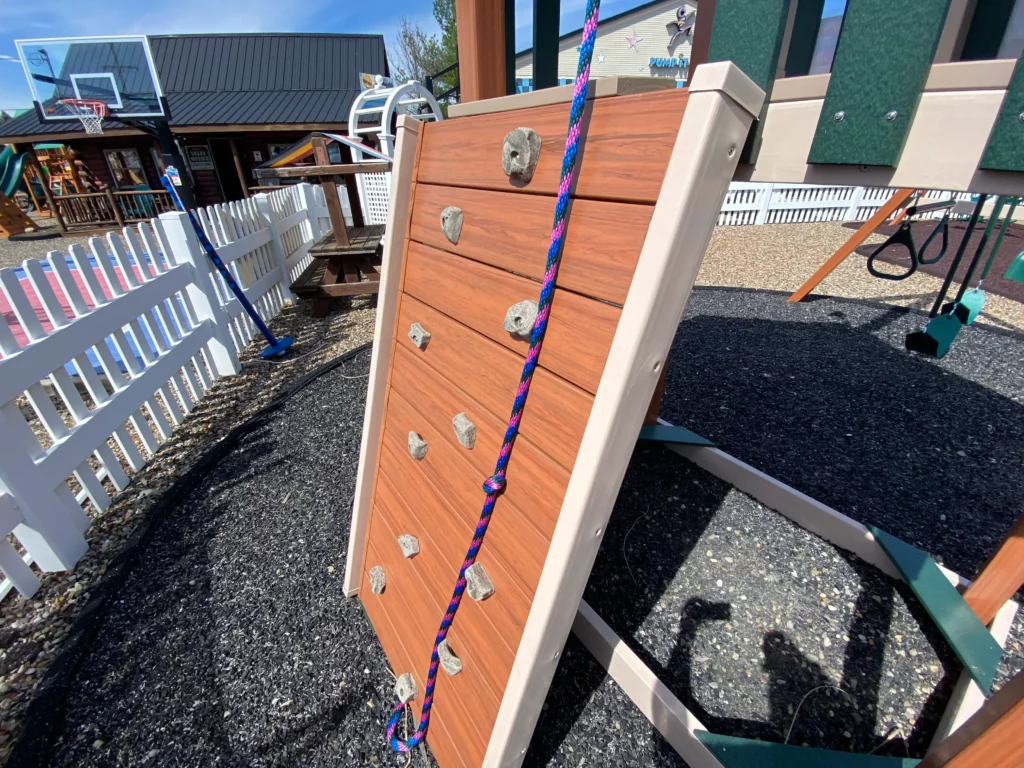
Soil conditions have a major impact on how secure a swing set remains over time. Some soil types provide strong natural support, while others shift easily and weaken anchors after heavy use or bad weather. Clay soil is often considered one of the better options because it stays compact and holds anchors firmly in place. However, clay can also become extremely hard during dry conditions and slippery when oversaturated with water, so proper drainage still matters. Loamy soil is another strong option because it balances drainage and stability well. This type of soil usually provides reliable support for both spiral and concrete anchors.
Sandy soil creates more challenges because it shifts easily under pressure. Anchors installed in sandy ground may loosen faster, especially in areas with heavy play or frequent rain. In these situations, deeper anchors or concrete footings often provide better long-term stability. Rocky soil can also complicate installation because large rocks may prevent anchors from reaching proper depth. Clearing obstacles before installation becomes especially important in these environments.
If the soil feels loose or unstable after rain, adding compacted gravel beneath the anchor area can improve support. Testing soil firmness before installation helps determine which anchoring method will perform best over time. Understanding soil conditions is an important part of learning how to anchor a swing set because the wrong setup can reduce stability no matter how strong the structure appears initially.
How To Install Spiral Anchors Correctly
Spiral anchors are one of the most popular choices for residential swing sets because they provide strong support without requiring concrete. Installing them correctly begins with positioning the swing set exactly where it will remain permanently. Once the frame is level, the anchor locations should be marked near each leg.
The spiral anchors are then twisted deep into the soil using a metal rod or installation tool. They should enter the ground at a slight angle away from the swing set to create stronger resistance against pulling forces. Once fully installed, the anchors are connected to the swing set legs using brackets, straps, or chains, depending on the hardware provided.
After attachment, each connection should be tightened securely to eliminate movement. The swing set should then be tested by pushing and pulling gently from multiple directions. If any shifting occurs, the anchors may need to be adjusted deeper into the ground. Proper installation ensures the structure remains stable even during heavy activity.
Learning how to anchor a swing set with spiral anchors is popular because the process is simpler than concrete installation while still offering strong support for many backyard setups. However, anchor quality and soil conditions still matter greatly. Loose or sandy soil may require deeper installation or additional anchors for better stability.
Using Concrete Anchors For Maximum Stability
Concrete anchors provide one of the strongest methods for securing a swing set and are often recommended for large playsets or areas with unstable soil. This installation process begins by digging holes near each swing set leg. The holes should be deep enough to hold both the anchor hardware and a solid amount of concrete.
Once the holes are prepared, anchor brackets are positioned correctly while the swing set remains level. Concrete is then poured into the holes around the anchors. Before the concrete hardens completely, the alignment should be checked again to ensure the structure remains even and stable. Allowing enough curing time is extremely important because moving the swing set too early can weaken the foundation.
Concrete anchoring requires more labor than spiral anchors, but it creates excellent long-term durability. This method is especially useful in areas with heavy rain, soft soil, or frequent strong winds. Once installed correctly, concrete anchors provide stability for many years with minimal maintenance.
Many homeowners prefer this method because it reduces movement almost entirely during play. Understanding how to anchor a swing set with concrete helps create a more permanent and professional installation that handles active use more effectively over time.
Checking Stability After Installation
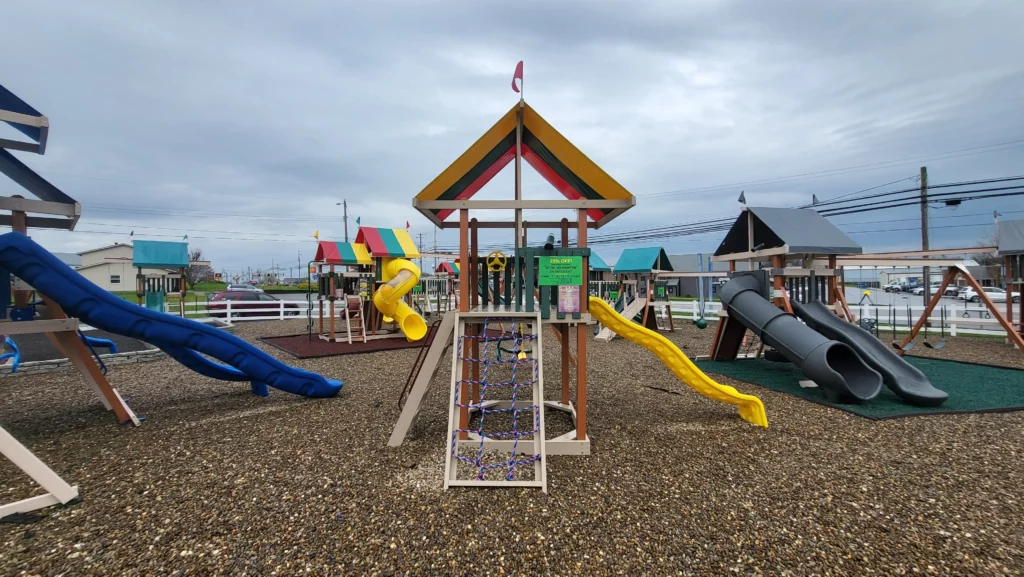
After the swing set is anchored, it is important to test the structure thoroughly before allowing children to use it. Stability testing helps identify loose hardware, uneven ground pressure, or weak anchor connections. The frame should be pushed gently from different directions to check for wobbling or shifting. Minor movement may indicate that anchors need tightening or repositioning.
All bolts, chains, brackets, and hardware connections should also be inspected carefully. Swinging places repeated stress on these areas, so secure connections are essential for long-term safety. If the swing set includes climbing features, slides, or upper platforms, these areas should also be checked for movement.
Regular inspections remain important even after installation is complete. Weather changes, heavy use, and soil movement can gradually affect stability over time. Checking anchors every few months helps catch small issues before they become larger problems. Families often overlook maintenance because the structure appears stable initially, but long-term safety depends on consistent monitoring.
Understanding how to anchor a swing set properly also includes understanding how to maintain it after installation. A secure structure today still requires occasional inspections to remain safe for years of outdoor use.
Seasonal Tips For Anchored Swing Sets
Seasonal weather changes can affect the stability of a swing set even after it has been anchored correctly. During spring and summer, heavy rain can soften the soil and cause shifting around the anchor points. After periods of heavy rain, it is important to inspect the legs of the swing set for uneven sinking or loosened hardware. Tightening bolts and checking anchor depth helps maintain stability before active outdoor play increases again.
Fall introduces different challenges because leaves, moisture, and temperature changes can affect both the structure and the ground underneath it. Wet debris should be removed regularly to prevent buildup around the anchors and play surface. If mulch or rubber surfacing has shifted during the season, redistributing the material helps maintain proper cushioning and support.
Winter conditions can also affect long-term stability. In colder climates, freezing and thawing cycles may cause soil expansion that slowly loosens anchors over time. Checking the frame after winter helps identify movement before spring activity begins. Wooden swing sets should also be inspected for moisture damage or cracking caused by temperature changes. Seasonal inspections may seem minor, but they play a major role in preserving safety and extending the lifespan of the swing set and its anchor system.
Long-Term Maintenance And Safety Techniques
Proper maintenance helps extend the lifespan of both the swing set and the anchor system. Outdoor equipment experiences constant exposure to sunlight, rain, temperature changes, and active play. Over time, these conditions can loosen bolts, weaken connections, and shift soil around the anchors. Performing regular maintenance checks helps preserve stability and safety.
Wooden swing sets should be inspected for cracks, rot, or splintering, while metal structures should be checked for rust or corrosion. Anchor points deserve special attention because they absorb much of the stress created during swinging and climbing. Tightening loose hardware regularly helps prevent unnecessary movement that could damage the structure.
Keeping protective surfacing in good condition improves fall protection and helps maintain a safer play environment. You can learn more about playground design and safety considerations on Wikipedia.
Consistent maintenance may seem minor at first, but it plays a major role in preserving long-term safety and stability. A swing set that is inspected regularly remains more secure, performs better during active use, and creates a safer outdoor environment for children throughout the year.
Conclusion
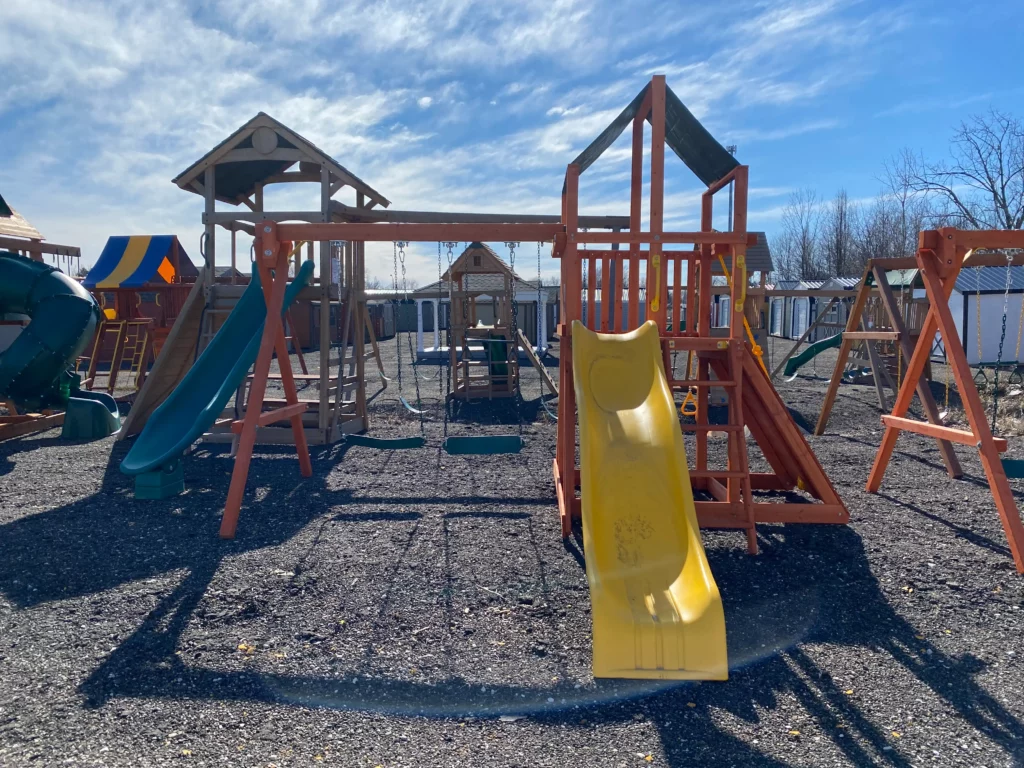
Learning how to anchor a swing set is essential for creating a safe and stable backyard play area. Proper anchoring helps prevent shifting, improves structural stability, and extends the lifespan of the playset. Choosing the right anchor system, preparing the ground correctly, and performing regular inspections all contribute to a safer environment where children can play with confidence.
If you’re planning a new outdoor playground or upgrading an existing one, explore the premium swing sets and backyard play equipment available at Kids World Play Systems. Our team can help you choose durable products and create a secure outdoor space built for years of family fun.