
How To Measure Trampoline
Buying trampoline parts, replacing a jumping mat, or planning a safer backyard setup all start with accurate measurements. Even a small mistake can cause major problems later. Incorrect measurements may lead to parts that fit poorly, weak bounce performance, or avoidable safety risks. That is why many homeowners search for clear information on how to measure a trampoline before ordering mats, springs, safety nets, or weather covers. The process itself is simple, but careful measuring still matters. Accurate sizing helps families avoid wasted money while creating a safer and more enjoyable outdoor play area.
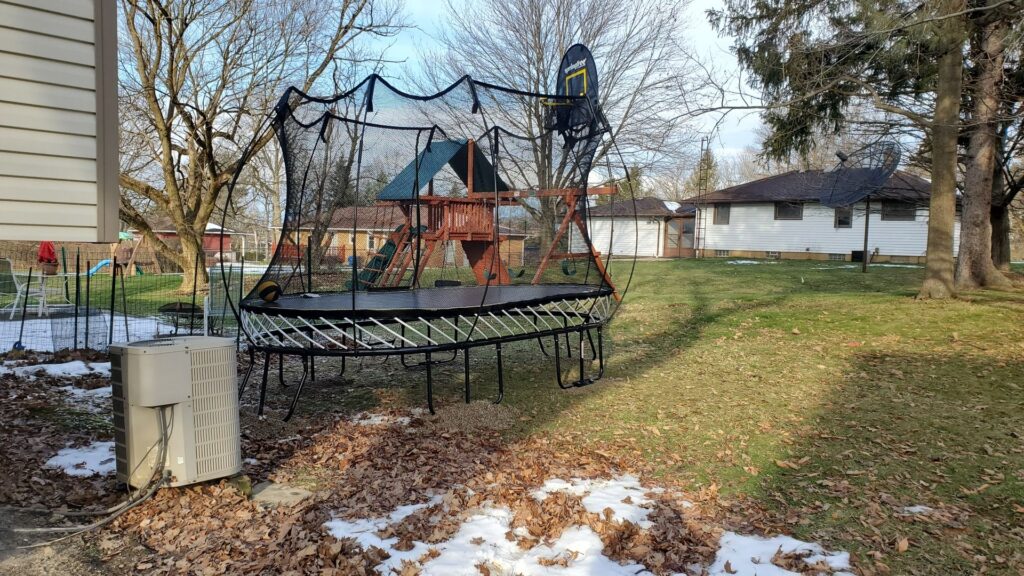
Why Accurate Trampoline Measurements Matter
Trampoline parts are designed to fit exact frame dimensions. Replacement mats, enclosure nets, spring covers, and weather accessories all depend on proper sizing. If measurements are wrong, parts may stretch unevenly or fail to attach correctly. Poorly fitted parts can reduce bounce quality and create safety concerns during use.
Many homeowners think trampoline size refers only to the jumping surface, but manufacturers use the full frame diameter instead. Measurements should always go from one outer frame edge directly to the opposite edge. Families investing in trampolines like R79 Medium Round benefit from understanding sizing early because proper measurements make future maintenance much easier. Accurate sizing also helps homeowners plan safer backyard layouts with enough room for movement and supervision.
Tools Needed To Measure A Trampoline
Measuring a trampoline does not require expensive tools. A long tape measure is usually enough for most trampolines. Smaller measuring tapes often create problems because they may not reach across larger frames. Some homeowners also use chalk or small markers to identify measuring points more clearly while working around the trampoline.
Another person can make the process easier and more accurate. One person can hold the tape measure steady while the other checks the opposite side of the frame. Recording measurements immediately also helps prevent confusion later. A notebook or smartphone works well for this. Learning how to measure a trampoline correctly starts with taking clear measurements instead of estimating dimensions visually. Trampolines that look similar in size may differ by several inches, which can affect compatibility with mats, springs, and enclosure systems.
How To Measure A Round Trampoline
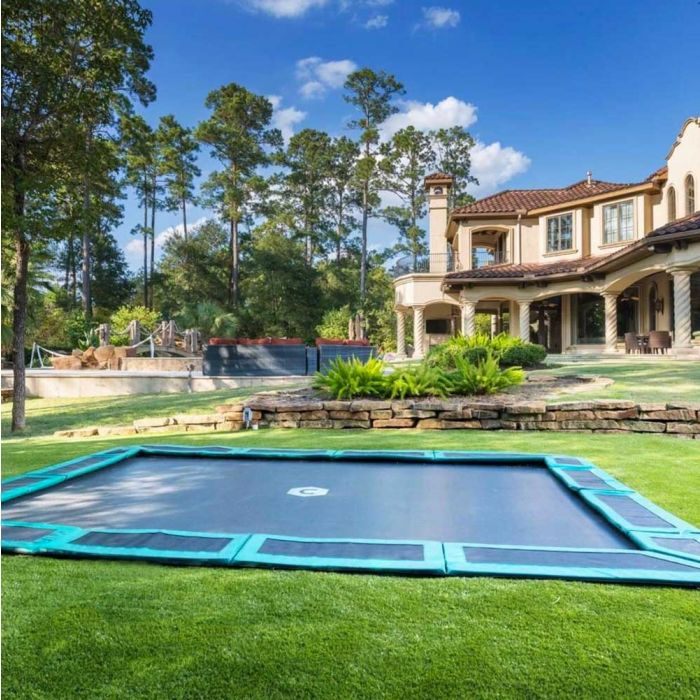
Round trampolines are the most common style used in residential backyards. Measuring them is relatively simple. Place the tape measure across the center of the trampoline frame from one outer metal edge directly to the opposite edge. This measurement should include the full frame diameter, but should not include spring length or safety pads.
For better accuracy, measure the trampoline in at least two different directions. Older trampolines sometimes shift slightly over time, especially after years of outdoor use. Comparing multiple measurements helps confirm the correct size. Common round trampoline sizes include 8 feet, 10 feet, 12 feet, and 14 feet. Accurate measurements matter before ordering replacement mats because manufacturers require exact frame dimensions for proper fit. Properly fitted parts also create more balanced tension across the jumping surface, which improves both performance and safety.
How To Measure Rectangular And Oval Trampolines
Rectangular and oval trampolines require different measuring methods because they do not use a single equal diameter like round models. To measure a rectangular trampoline, record both the outer frame length and width. Measurements should always come from the metal frame rather than the jumping mat itself. This creates more accurate sizing information for replacement parts and accessories.
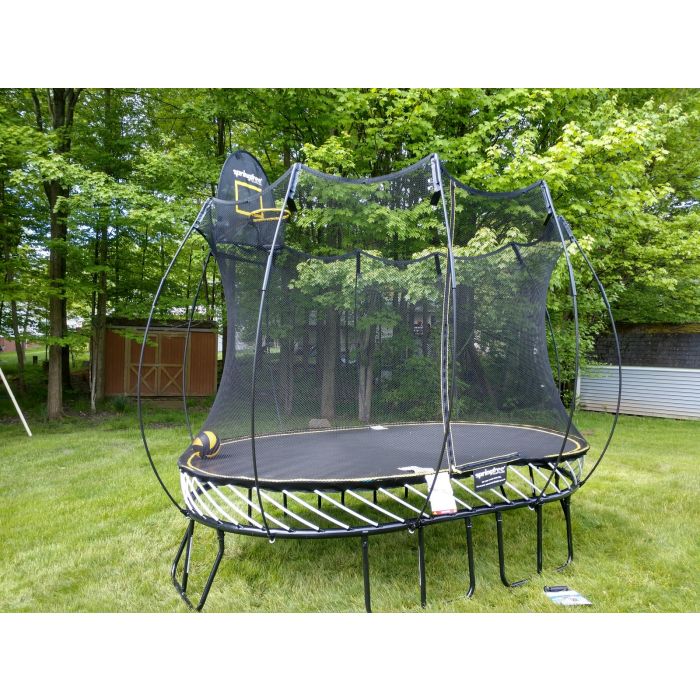
Oval trampolines require measurements at both the longest and widest frame points. These trampoline styles are popular because they provide larger jumping areas while fitting more efficiently into narrow backyard spaces. Some homeowners also combine trampolines with safety-focused equipment like the Playground Safety Net to create safer outdoor activity spaces for children. Learning how to measure a trampoline becomes even more important with non-round designs because incorrect dimensions can quickly lead to incompatible replacement parts.
How To Measure Trampoline Springs Correctly
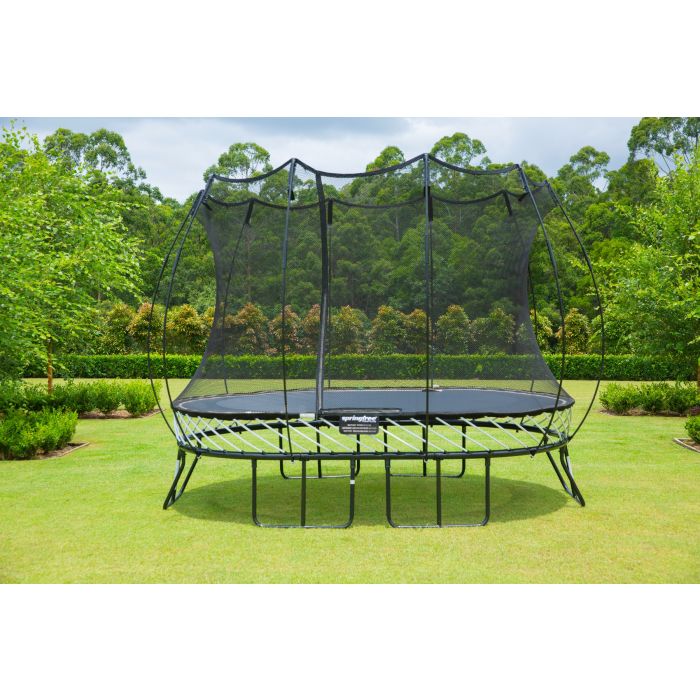
Spring measurements are just as important as frame measurements because springs directly affect bounce quality and overall safety. To measure trampoline springs correctly, remove one spring from the frame and measure its full length from hook end to hook end while relaxed. Never measure springs while they remain attached because tension changes their visible length.
Different trampoline models use different spring lengths depending on frame size and weight capacity. Springs that are too short or too long can affect bounce consistency and place extra stress on the frame. Worn springs may also reduce jumping performance and create uneven tension across the mat. Many homeowners focus only on trampoline size while ignoring spring condition. Both factors matter equally for safe and reliable use. Understanding how to measure a trampoline properly also means understanding how spring size affects overall performance.
Common Mistakes People Make When Measuring Trampolines
One of the most common mistakes involves measuring only the jumping mat instead of the full frame. Most replacement products use frame dimensions for sizing, so mat measurements alone often lead to incorrect purchases. Some homeowners also include springs or safety padding within their measurements, which creates inaccurate results.
Another common problem involves rounding measurements too aggressively. A trampoline measuring slightly under 14 feet may still require parts designed specifically for that exact frame size. Visual estimates can also create costly mistakes later. Bent tape measures or uneven measuring positions may produce inaccurate numbers as well. Learning how to measure a trampoline correctly requires patience and careful attention to detail. Spending a few extra minutes measuring properly can prevent unnecessary frustration and replacement costs later.
How Trampoline Size Affects Backyard Safety
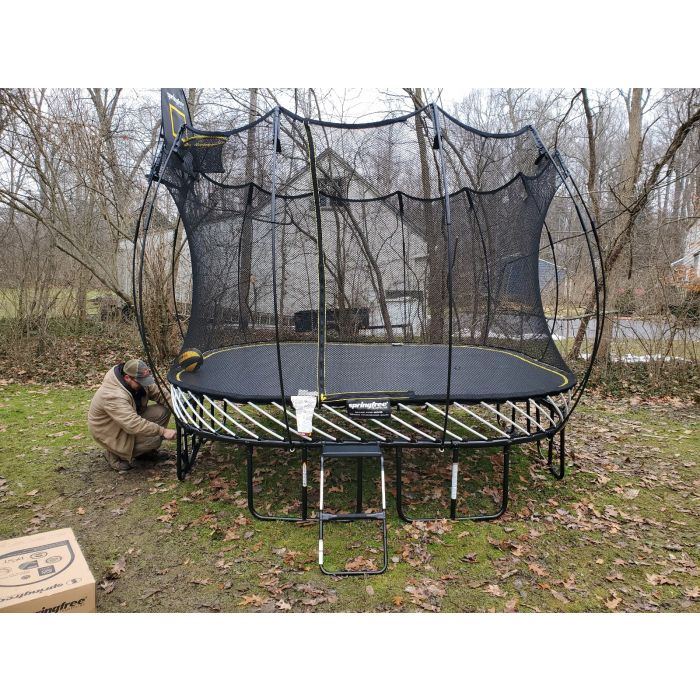
Trampoline size affects more than bounce space alone. Larger trampolines need more clearance to reduce collision risks with fences, trees, furniture, or nearby structures. Safety experts recommend leaving open space around trampolines so jumpers can move freely without hitting obstacles. Many families underestimate how much total backyard space a trampoline requires once they include proper safety clearance.
Trampoline height and enclosure systems also affect safety planning. Enclosure nets, ladders, and nearby landscaping should all be considered during installation. Proper spacing helps reduce injury risks and creates a more comfortable jumping environment. According to the American Academy of Pediatrics trampoline safety guidance, supervision and safe setup are important for reducing trampoline-related injuries. Understanding how to measure a trampoline correctly helps homeowners create safer backyard layouts while choosing replacement equipment that fits properly.
When You Should Remeasure Your Trampoline
Many homeowners measure their trampoline only once, but regular remeasuring can still be helpful. Frames may shift over time because of weather exposure, ground settling, or years of use. Springs can stretch gradually, and poorly installed replacement parts may affect frame alignment. Checking measurements occasionally helps identify problems before they become more serious.
Remeasuring becomes especially important before ordering replacement mats, enclosure nets, or weather covers. Even when homeowners know the trampoline model number, confirming measurements manually helps avoid compatibility mistakes. Families who update their backyard layouts may also need to reevaluate trampoline placement to maintain safe clearance around the frame. Learning how to measure a trampoline accurately gives homeowners more confidence when maintaining equipment and creating safer outdoor play areas.
Conclusion
Learning how to measure a trampoline correctly helps homeowners avoid expensive mistakes and improve long-term safety. Accurate measurements make it easier to choose replacement mats, springs, enclosure nets, and accessories that fit properly. Correct sizing also improves bounce performance and helps reduce unnecessary wear on the trampoline frame. Proper measurements do more than support equipment replacement. They also help families create safer outdoor spaces with enough room for jumping, supervision, and movement. Whether measuring a round, oval, or rectangular trampoline, taking careful frame and spring measurements can improve both safety and overall enjoyment. To explore premium trampolines, outdoor play systems, and backyard activity solutions designed for active family fun, visit Kids World Play.