
What Are The Most Common Injuries In Basketball
To understand what are the most common injuries in basketball, it is important to look at how the game is played. Basketball requires constant movement, quick acceleration, sudden stops, jumping, and physical contact. These actions place repeated stress on the muscles, joints, and connective tissues. Because the game moves quickly and often involves close player interaction, injuries can occur even when athletes follow proper techniques.
Basketball injuries affect players of all ages, from young children learning the basics to adults playing competitively. The risk increases with fatigue, poor conditioning, and inadequate recovery. Court surfaces, footwear, and training habits also influence injury rates. Understanding these factors helps players, parents, and coaches reduce risk while keeping the game enjoyable.
Ankle Sprains as the Most Common Basketball Injury
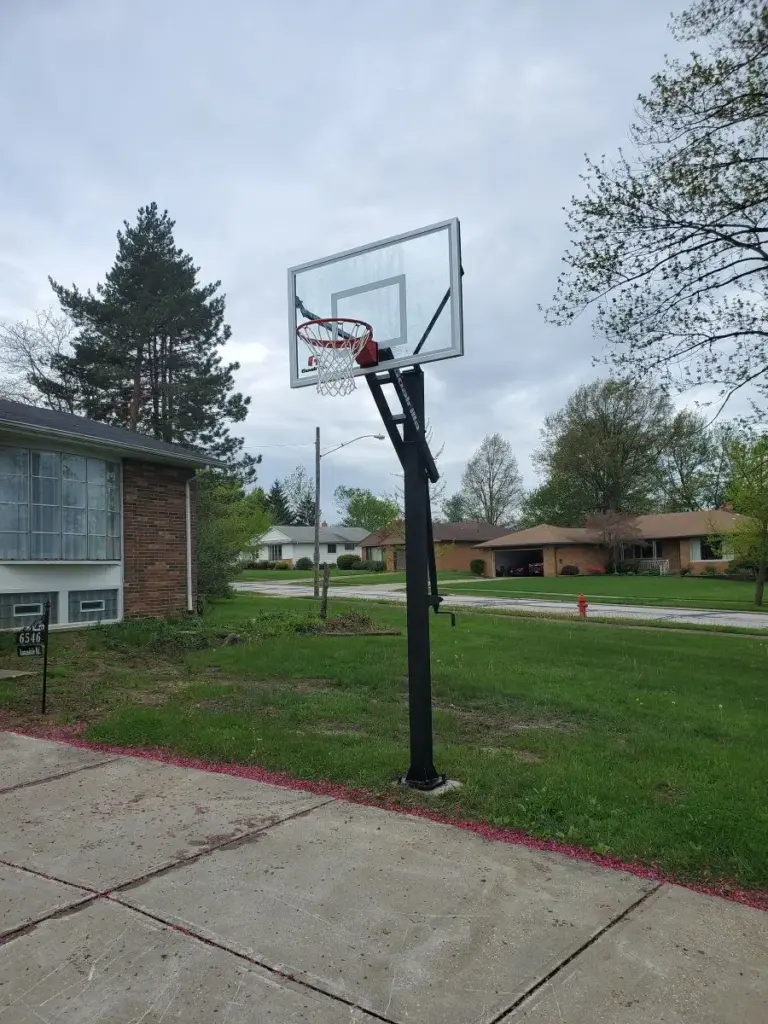
Ankle sprains are widely recognized as the most common injury in basketball. They usually occur when a player lands awkwardly after a jump or steps on another player’s foot. The sudden rolling motion stretches or tears the ligaments that support the ankle. Because jumping and rebounding happen frequently during games, ankles are often placed in vulnerable positions.
Repeated ankle sprains can weaken joint stability over time. Without proper rehabilitation, players may experience chronic pain, swelling, or reduced mobility. Supportive footwear, strength training, and balance exercises help lower the risk of recurring ankle injuries.
Knee Injuries and Their Impact on Basketball Players
The knees absorb significant force during basketball activities, especially during jumping, cutting, and abrupt stops. Injuries such as ligament strains, meniscus tears, and patellar tendon irritation are common. These injuries often occur when players change direction quickly or land improperly after jumping. Poor muscle balance, fatigue, and weak core strength can increase knee injury risk. Conditioning programs that emphasize proper landing mechanics and leg strength help protect the knees. Addressing knee discomfort early prevents minor issues from becoming serious injuries.
Finger and Hand Injuries During Play
Finger injuries are common in basketball due to constant ball handling, passing, and rebounding. Jammed fingers occur when the ball strikes the hand unexpectedly or when players collide while reaching for the ball. These injuries may involve ligament sprains, dislocations, or fractures. Although finger injuries are often considered minor, they can affect grip strength and shooting accuracy. Taping fingers and practicing proper catching techniques reduce injury risk. Prompt treatment helps prevent stiffness and long term limitations.
Muscle Strains in the Legs
Basketball places heavy demands on the muscles of the legs, particularly the calves, quadriceps, and hamstrings. Muscle strains occur when fibers are overstretched or torn, often during sprinting or explosive movements. Inadequate warm ups and fatigue increase the likelihood of these injuries. Muscle strains can range from mild discomfort to severe tears that require extended recovery. Proper conditioning, regular stretching, and gradual training progression help reduce strain risk. Paying attention to tightness and soreness helps athletes address issues early.
Lower Back Injuries From Repetitive Movement
Lower back pain is a common issue among basketball players due to repeated bending, twisting, and jumping. Weak core muscles and poor posture increase stress on the lower spine. Over time, this stress can lead to chronic discomfort or injury. Strengthening the core and maintaining proper movement mechanics support spinal health. Adequate recovery and balanced training help prevent overuse related back injuries.
Overuse Injuries From Year Round Basketball
Overuse injuries develop gradually when the body does not have enough time to recover. In basketball, conditions such as tendinitis and stress reactions often affect the knees, shins, and ankles. Repetitive jumping and running place continuous strain on these areas. Young athletes who play basketball year round without rest face higher injury risk. Scheduling rest periods and participating in multiple sports helps reduce repetitive stress while supporting overall development.
Concussions and Head Injuries in Basketball
While less common than lower body injuries, concussions can occur in basketball due to collisions or falls. Head injuries may result from contact with other players, the floor, or equipment. Symptoms include headaches, dizziness, and difficulty concentrating. Prompt evaluation and proper recovery are essential following any head injury. Returning to play too soon increases the risk of long term complications. Education and awareness improve concussion management and prevention.
Youth Basketball Injuries and Growth Concerns
Children face unique injury risks because their bodies are still developing. Growth plates are sensitive to excessive stress, and improper training can affect bone development. High intensity training without proper supervision increases injury likelihood. Teaching proper technique and encouraging balanced activity support healthy growth. Understanding the foundations of the game, including how basketball was created, helps parents appreciate the importance of structured and age appropriate play.
The Role of Playing Surfaces and Equipment
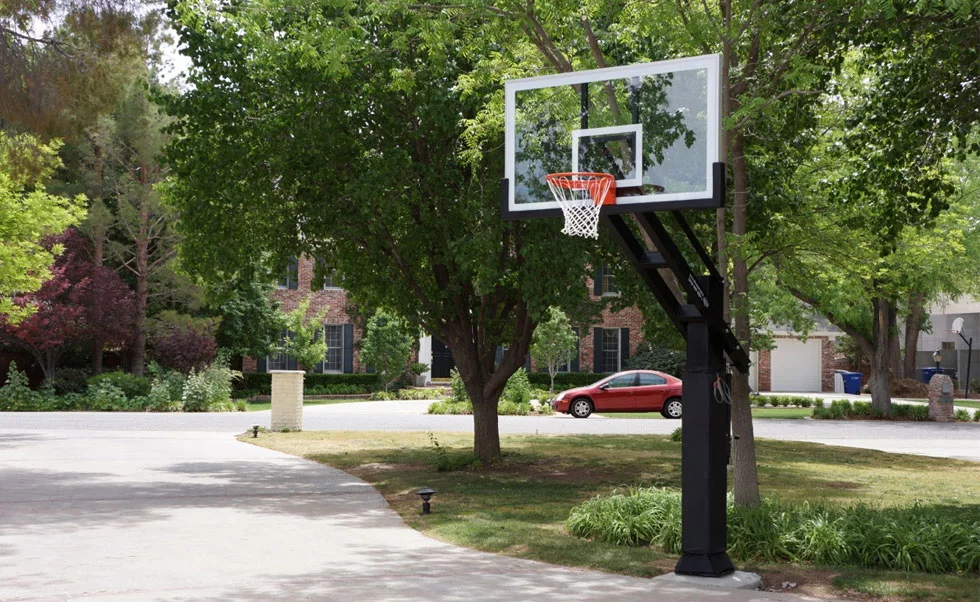
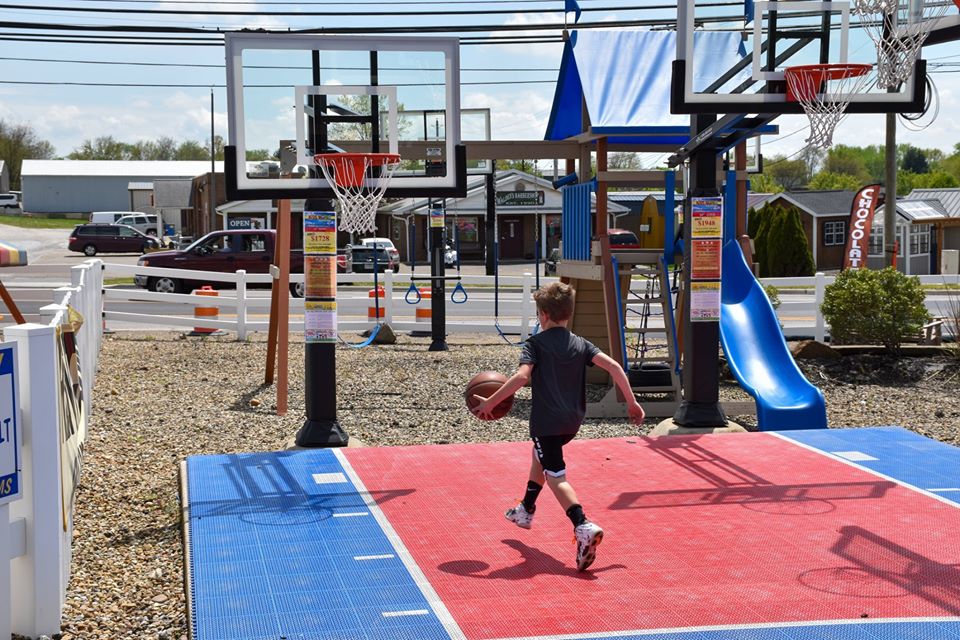
Court conditions significantly affect injury risk. Slippery or uneven surfaces increase the chance of falls and joint injuries. Proper maintenance ensures safe traction and consistent footing during play. Footwear also plays a major role in injury prevention. Basketball shoes provide ankle support and shock absorption. Families planning safe recreational areas often coordinate court layout and equipment with providers like Kids World Play Systems.
Preventing the Most Common Injuries in Basketball
Preventing basketball injuries starts with preparation and awareness. Proper warm ups, strength training, and flexibility exercises prepare the body for high intensity movement. Learning correct techniques for jumping and landing reduces joint stress. Monitoring workload and prioritizing recovery helps prevent fatigue related injuries. Understanding court structure and team organization, including how many basketball players are on the court, reinforces controlled and safe play.
Medical Perspective on Basketball Injuries
Sports medicine professionals emphasize that many basketball injuries are preventable. According to guidance from the Mayo Clinic, proper conditioning, footwear, and awareness significantly reduce injury risk. Early evaluation and treatment improve recovery outcomes and reduce reinjury risk. Ignoring symptoms often leads to prolonged recovery and long term limitations.
Long Term Impact of Basketball Injuries
Untreated injuries can affect long term mobility and participation. Chronic ankle instability, knee pain, or back issues may limit future activity. Proper injury management preserves athletic ability and overall health. Preventive strategies protect both physical and mental confidence. Players who feel prepared and supported are more likely to enjoy the game and remain active.
Final Thoughts on What Are the Most Common Injuries in Basketball
Understanding what are the most common injuries in basketball helps players and families take proactive steps to reduce risk. Ankle sprains, knee injuries, finger trauma, and muscle strains occur most often due to the sport’s fast paced nature. Preparation, proper equipment, and safe environments support injury prevention.
For families and organizations seeking professional guidance on creating safe basketball spaces, visit the official website of Kids World Play Systems. Our expertise helps support safe play, structured activity, and long term value for athletes of all ages.