
What Is A Standard Size Trampoline
A standard size trampoline is not defined by a single fixed measurement, but rather by a range of sizes that work well for most families and residential backyards. These commonly accepted sizes balance safety, available space, and usability for different age groups. When homeowners ask this question, they are often trying to avoid purchasing a trampoline that feels too small to enjoy or too large to manage safely. Understanding what qualifies as standard helps buyers make informed decisions before committing to a long term backyard feature.
Most Common Trampoline Sizes Used at Home
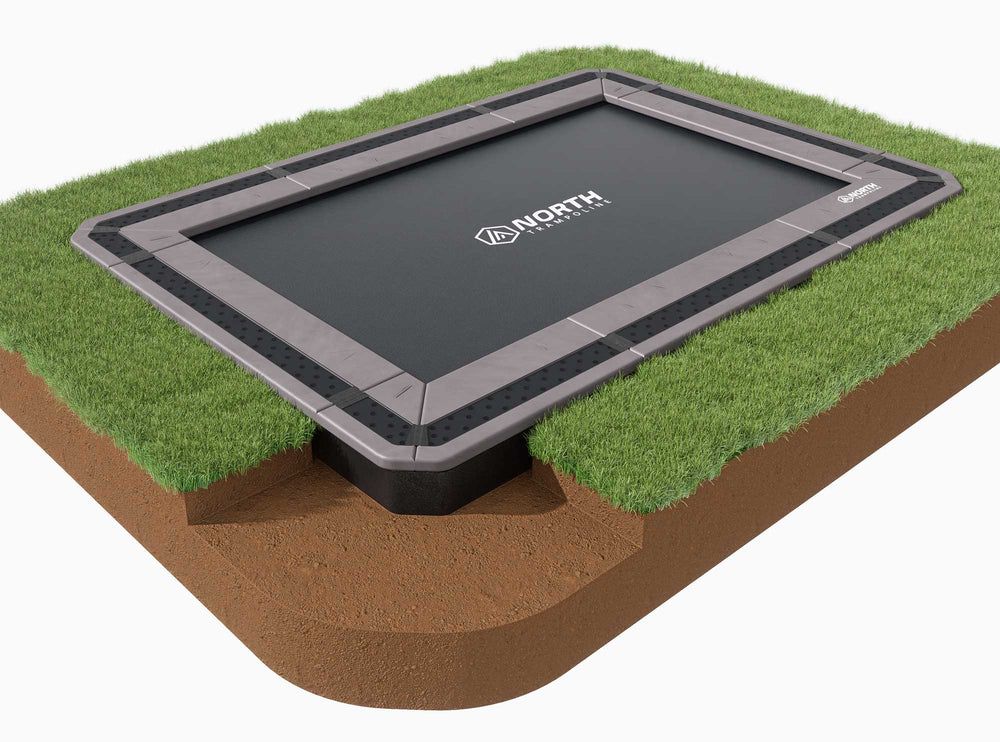
Residential trampolines usually range from 8 feet to 15 feet in diameter, with several sizes standing out as the most widely used. Among them, the 12 foot trampoline is considered the standard size for backyard use. It offers a generous jumping surface that supports natural movement without requiring excessive space. This size fits comfortably in many yards and allows for safe solo jumping, which is recommended by most safety experts.
Smaller trampolines such as 8 foot and 10 foot models are often chosen for younger children or smaller properties. These sizes limit horizontal travel and bounce height, making them easier to control for beginners. Larger models like 14 foot and 15 foot trampolines provide more room for movement and are better suited for older children and teenagers. While these larger options can be enjoyable, they require careful placement and consistent supervision to maintain safe use.
Why the 12 Foot Trampoline Is Considered the Standard
The 12 foot trampoline is widely regarded as the standard size because it meets the needs of most households without introducing unnecessary risk. It provides enough space for comfortable jumping while discouraging overly aggressive movement that can occur on larger surfaces. This balance helps users stay centered on the mat, reducing the likelihood of edge contact during normal play.
Another reason this size is so popular is availability. Manufacturers produce more 12 foot trampoline models than any other size, giving buyers a wide selection of frame designs, enclosure systems, and spring configurations. Replacement parts are easier to source, and accessories are more likely to fit correctly. This accessibility makes maintenance simpler, which contributes to long term safety and durability.
Standard Trampoline Sizes for Different Age Groups
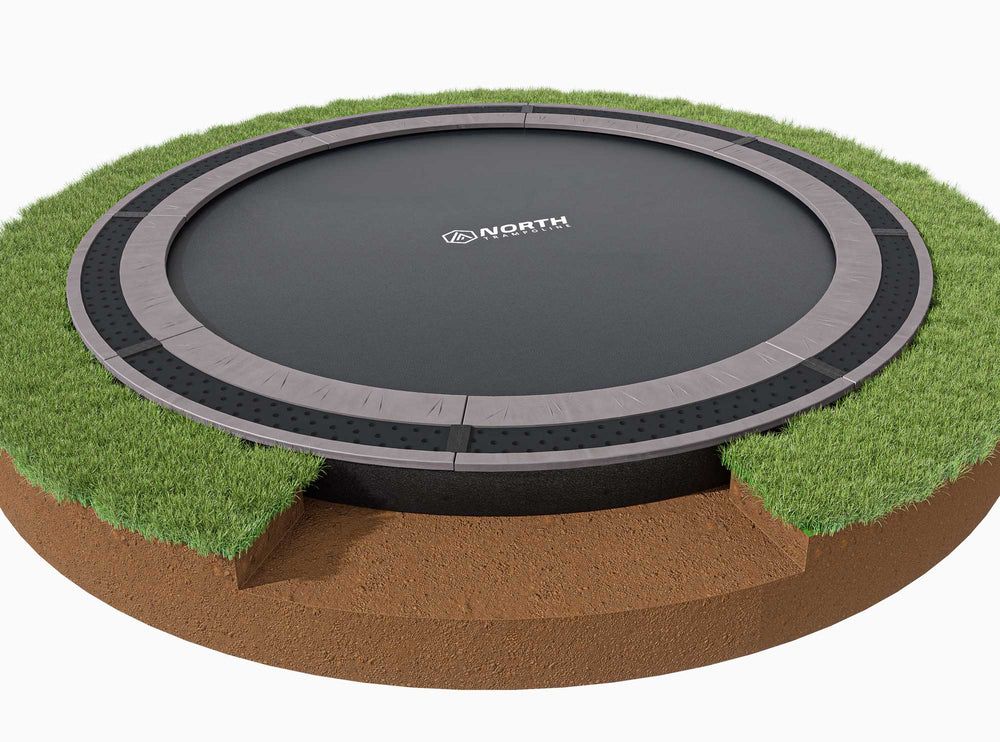
Age is a critical factor when selecting a trampoline size. Toddlers and preschool aged children often use mini trampolines designed for indoor or closely supervised outdoor use. These are not considered standard backyard trampolines and should never replace a full size outdoor model. For children between the ages of five and eight, an 8 foot or 10 foot trampoline typically provides enough space for safe, controlled jumping.
As children grow, their jumping style becomes more energetic and less predictable. Older children and teenagers benefit from 12 foot or 14 foot trampolines that allow more natural movement and smoother landings. Adults who plan to use the trampoline should pay close attention to weight limits and frame strength. Larger trampolines often distribute impact more evenly, which can reduce strain on joints during repeated use.
How Much Space You Need Around a Standard Trampoline
The trampoline itself is only one part of the space requirement. Proper clearance around the trampoline is essential for safe use. Most safety authorities recommend leaving at least 3 feet of open space on all sides and ensuring a minimum of 20 feet of vertical clearance above the jumping surface. These guidelines are supported by the Nationwide Children’s Hospital, which emphasizes placement as a key factor in reducing injuries.
Installing a trampoline too close to fences, trees, or other play equipment increases the risk of collision injuries. Even when enclosure nets are used, active jumping can push users toward the edges of the mat. Adequate spacing also makes routine inspections easier, allowing parents to check springs, padding, and anchors without obstruction. Families designing complete backyard play areas often coordinate trampoline placement alongside equipment from providers like Kids World Play Systems.
Round vs Rectangular Standard Trampoline Sizes
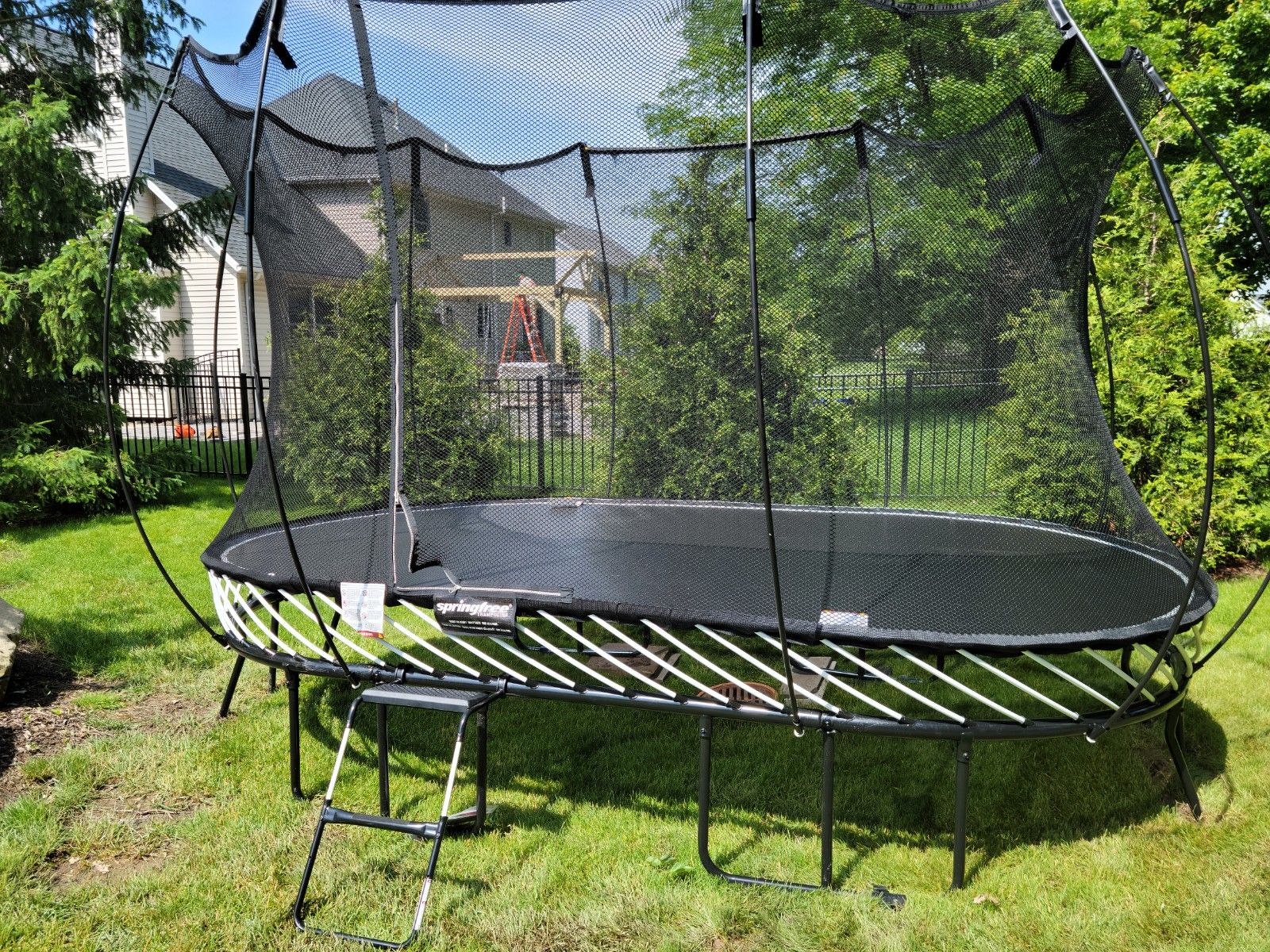
Round trampolines are the most common option for residential use and represent what most people consider a standard trampoline. Their circular shape naturally directs jumpers toward the center of the mat, which improves balance and reduces edge landings. Standard round trampolines typically range from 10 feet to 15 feet, with 12 feet remaining the most popular size for families.
Rectangular trampolines provide a different experience and are often used by experienced jumpers. They offer a more powerful and consistent bounce across the entire surface. Standard rectangular models for home use often measure around 7 by 10 feet or 8 by 14 feet. These trampolines require more space and closer supervision, making them better suited for families focused on skill development rather than casual play.
Safety Features That Matter More Than Size
While trampoline size affects comfort and movement, safety features determine how secure the equipment truly is. A standard size trampoline should include a durable enclosure net, thick padding that fully covers the springs, and a strong galvanized steel frame. These components help reduce fall risks and prevent contact with hard surfaces during active use.
Anchoring systems are another essential safety feature, especially in areas prone to strong winds. Ground anchors help stabilize the trampoline and prevent shifting or tipping. Regular inspections are necessary to ensure springs remain evenly tensioned and padding stays firmly in place. A well maintained trampoline of any standard size is far safer than a neglected one.
Choosing the Right Standard Size for Your Backyard
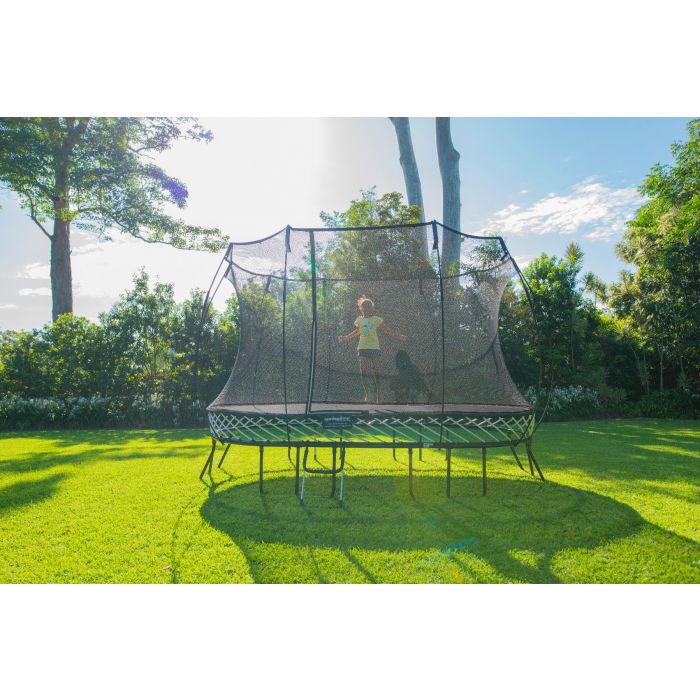
Choosing the right trampoline size starts with accurately measuring your available space. A 12 foot trampoline works well for most households, but smaller yards may require a 10 foot option to maintain proper clearance. Larger properties can accommodate 14 foot models that allow more freedom of movement. Planning ahead helps avoid installation issues and supports long term safety.
It is also important to consider how your family’s needs may change over time. Children grow quickly, and a trampoline that feels large today may feel limiting in a few years. Selecting a size that supports future use can extend the value of your investment. Families seeking guidance can reach out through the Kids World Play Systems contact page for professional advice.
Final Thoughts on Standard Trampoline Sizes
A standard size trampoline is best defined by how well it fits your yard, your family, and your safety priorities. For most households, a 12 foot trampoline offers the ideal balance of space, control, and usability. Smaller sizes suit young children and compact yards, while larger models work well for older kids and teens. By considering spacing, construction quality, and long term needs, families can make confident decisions that support safe outdoor play.
For expert guidance on selecting outdoor play equipment and planning a safe backyard layout, visit the official website of Kids World Play Systems. Their team provides trusted resources and solutions designed to help families create enjoyable and secure play environments.