
What Size Is A Men’s Basketball
Basketball may seem simple from a distance, but small details can completely change how the game feels and plays. One of those details is the basketball itself. Players spend years improving their shooting, passing, dribbling, and ball control, yet many people never stop to consider why the official basketball size matters so much. The size of the ball affects grip, shooting range, dribbling rhythm, and overall confidence on the court. That is why coaches, leagues, and professional organizations follow strict standards for equipment. If you are wondering what size is a men’s basketball, the answer goes beyond a simple measurement. The official size influences player development, competitive balance, and how the game is experienced at every level.
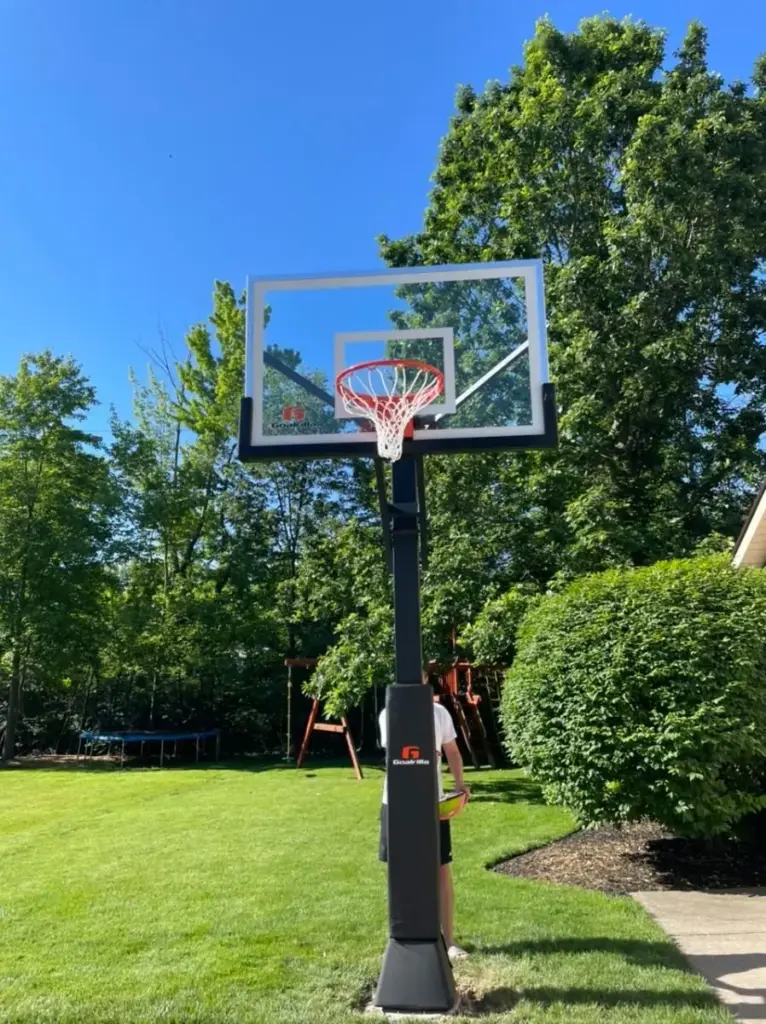
Official Measurements Of A Men’s Basketball
The official men’s basketball used in professional, college, and most high school leagues is known as a Size 7 basketball. This basketball has a circumference of approximately 29.5 inches and weighs around 22 ounces. These measurements are carefully regulated because consistency is extremely important in basketball. Players spend years developing shooting form, passing control, and dribbling rhythm. Using a standardized ball ensures that these skills translate properly from practice to real competition. Whether someone is playing recreationally or competing at an advanced level, the same Size 7 basketball creates a familiar playing experience.
The dimensions of the basketball directly affect gameplay. A larger ball changes grip strength and shooting mechanics, while a smaller ball can make handling easier but reduce realistic skill development. The official size provides the right balance between control and challenge for adult male players. This is one reason why leagues rarely change equipment standards. When people ask what size is a men’s basketball, they are usually referring to this Size 7 regulation ball because it has become the accepted standard across organized men’s basketball. Maintaining these measurements also allows players to transition more smoothly between high school, college, and professional competition without needing to adjust their style of play.
Why Men’s Basketball Uses Size 7
The Size 7 basketball became the official standard because it best supports the speed, physicality, and skill level of adult male basketball players. Basketball organizations spent years refining equipment standards to find the most balanced size for competitive play. A basketball that is too small can make shooting and ball handling easier than intended, while a basketball that is too large can become difficult to control consistently during fast gameplay. The Size 7 dimensions create the right balance between challenge and control, which helps preserve fairness across all levels of competition.
Hand size and grip strength also influenced the decision to standardize the men’s basketball at this size. Adult players need enough surface area to control the ball properly while still being challenged during shooting, passing, and rebounding. The weight of the basketball matters as well because it affects bounce consistency and shooting range. A properly weighted basketball responds more predictably during play, which allows players to develop stronger muscle memory over time. Understanding what size is a men’s basketball becomes more meaningful when considering how much thought goes into these equipment standards. The goal is not simply tradition. The goal is to create a consistent playing experience where skill and preparation determine success rather than differences in equipment.
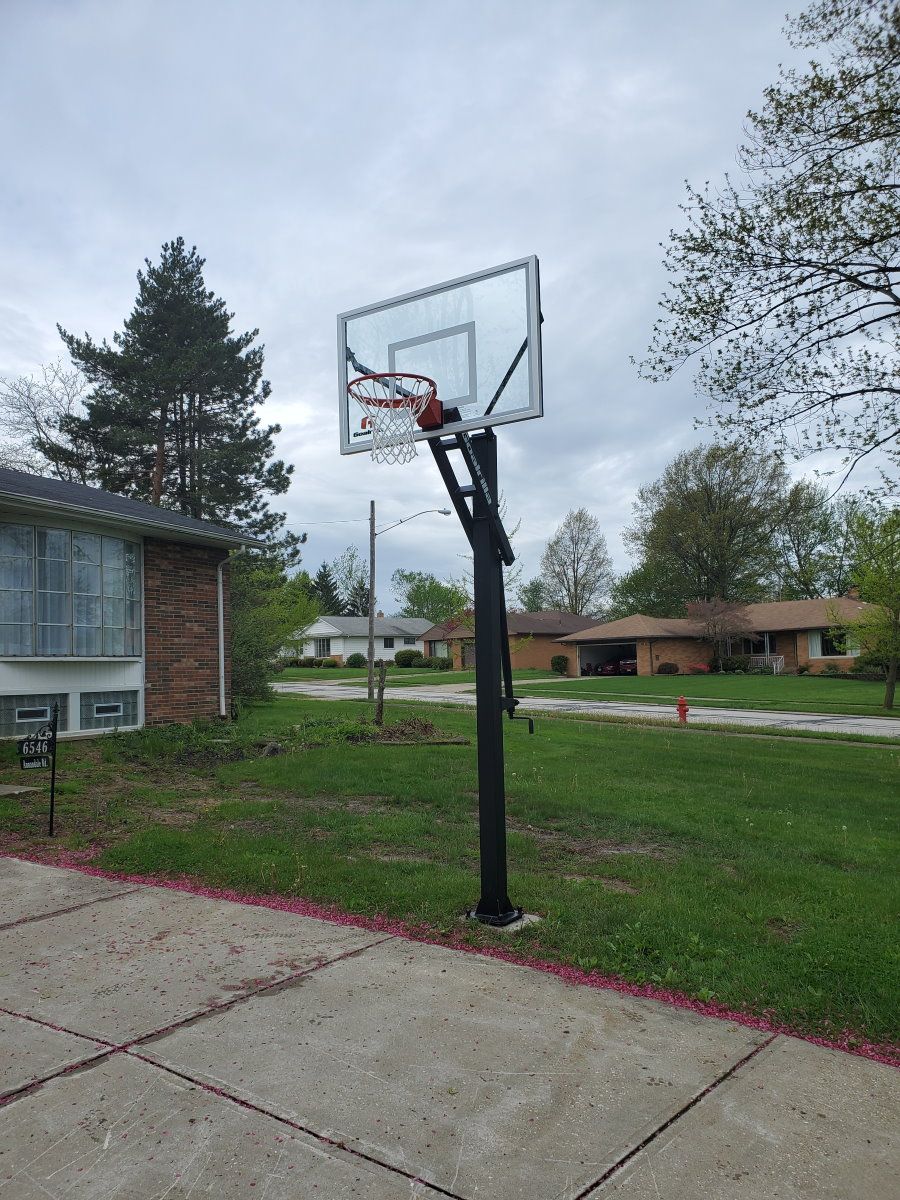
Men’s Basketball Size Compared to Other Sizes
Basketball sizes vary depending on the age group and competition level because players develop physically at different rates. While men’s basketball uses the Size 7 standard, women’s basketball typically uses Size 6. A Size 6 basketball has a circumference of about 28.5 inches and is slightly lighter than a men’s basketball. This adjustment supports better control and shooting mechanics for female athletes while still maintaining competitive gameplay. Youth basketballs are even smaller because younger players are still developing hand strength and coordination.
Using the wrong basketball size can negatively affect development, especially for younger players. A basketball that is too large forces children to use improper shooting form because they struggle to control the ball correctly. This often leads to bad habits that become difficult to correct later. Smaller basketballs help younger athletes focus on mechanics, confidence, and control before transitioning into larger regulation equipment. These gradual adjustments are important for long-term player growth. Learning what size is a men’s basketball also helps players and families understand why leagues use different basketball sizes for different divisions. The differences may appear small on paper, but they significantly affect grip, shooting accuracy, passing speed, and overall comfort during gameplay.
Professional and College Standards
At the professional level, men’s basketball leagues strictly enforce ball specifications. The National Basketball Association uses Size 7 basketballs that meet exact requirements for weight, bounce, and surface texture. College and international men’s competitions follow similar standards. If you are curious about the equipment used at the highest level, you can learn more about what basketball does the NBA use. This helps explain why professional basketballs feel different from many store-bought options. Most high school boys’ leagues also use Size 7 basketballs. This helps players transition smoothly into college or adult recreational leagues. Recreational men’s leagues almost always follow the same standard to keep play consistent. Knowing what size is a men’s basketball ensures players practice with the correct ball. Training with the wrong size can affect shooting mechanics and ball handling, especially for developing athletes.
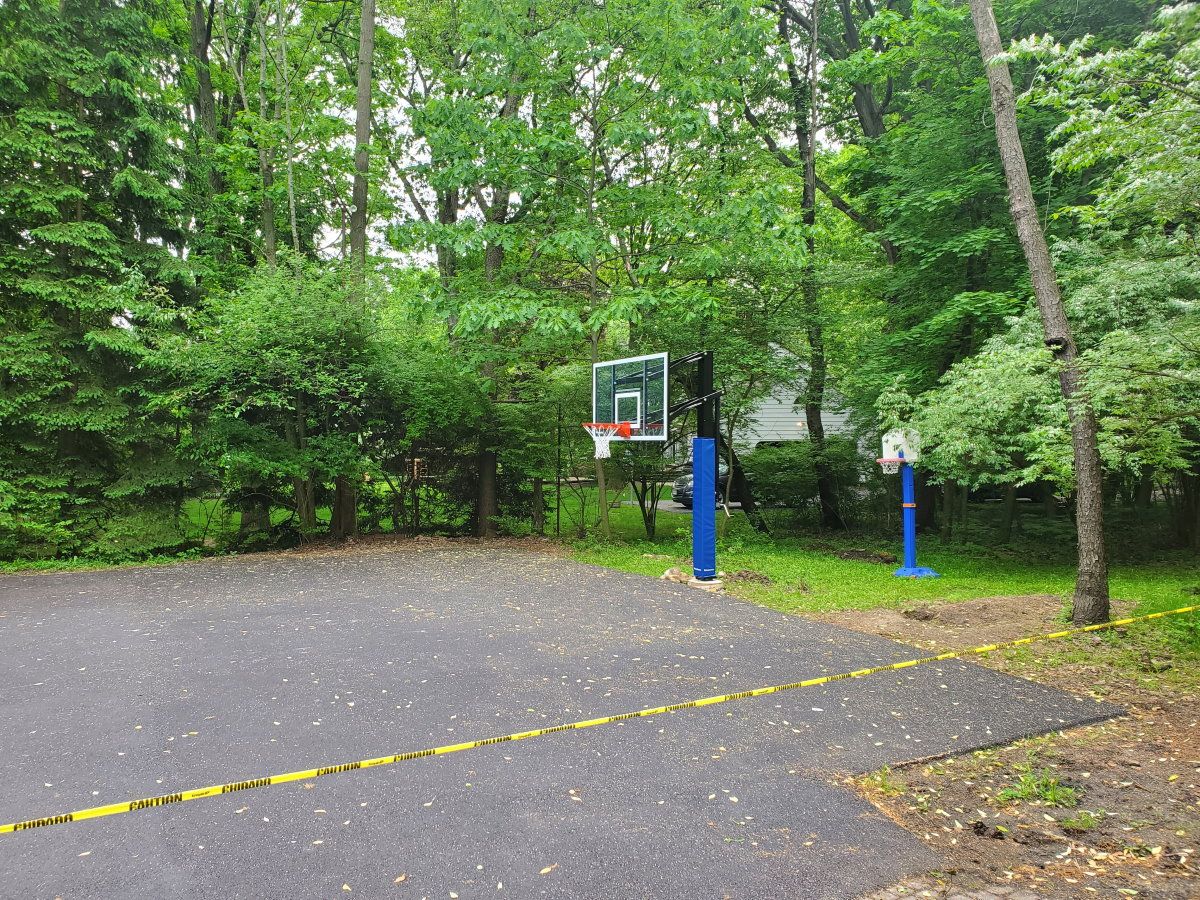
How Ball Size Affects Skill Development
Using the correct basketball size is one of the most important parts of developing strong fundamentals. Players build muscle memory through repetition, and every shot, pass, and dribble depends on using equipment that matches official standards. Training with a basketball that is too small may create unrealistic confidence because the ball feels easier to handle and shoot. On the other hand, a basketball that is too large can affect shooting form and reduce ball control. Both situations can limit long-term development.
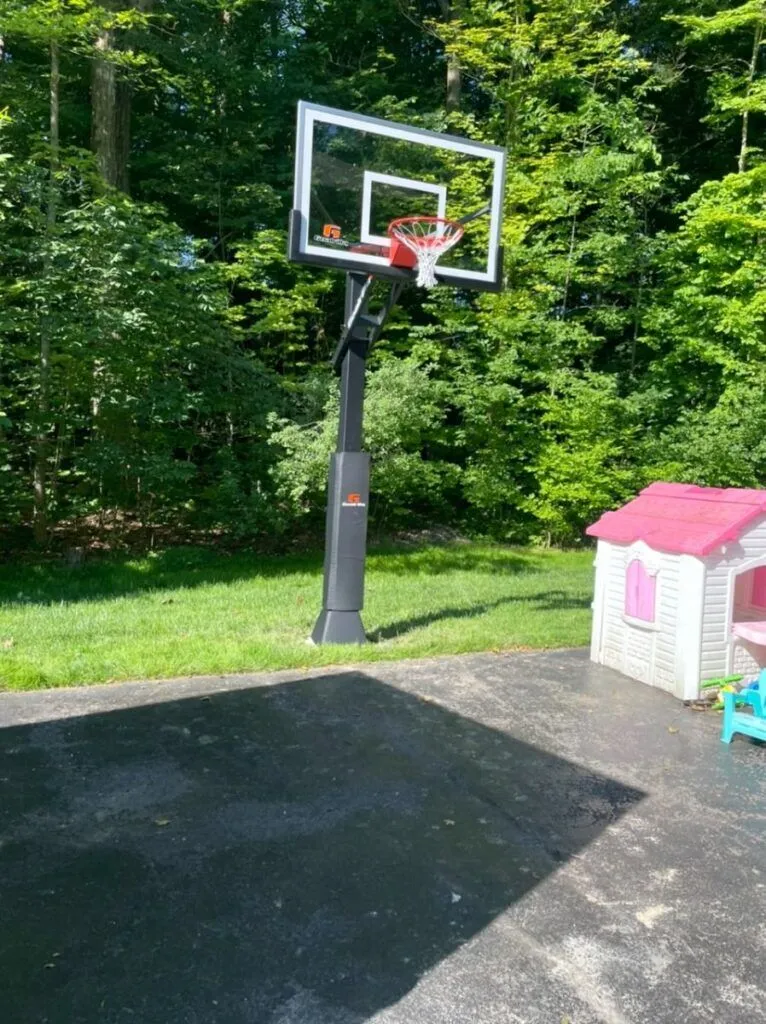
Proper training environments also improve development. Practicing on reliable basketball systems like Goalsetter Contender helps players develop better movement patterns, shooting rhythm, and footwork while using regulation basketball equipment. Consistency in both court setup and basketball size allows players to train under realistic conditions that mirror competitive play. Coaches often emphasize regulated equipment because habits formed during practice carry directly into games. Understanding what size is a men’s basketball helps athletes avoid training mistakes that can affect performance later. The right basketball combined with a reliable practice environment creates stronger mechanics and better overall confidence on the court.
Indoor And Outdoor Basketball Differences
Indoor and outdoor basketballs follow the same Size 7 measurements for men’s play, but they are designed differently to match their environments. Indoor basketballs are usually made from genuine leather or premium composite leather. These materials provide a softer grip, better responsiveness, and improved feel on hardwood courts. Professional leagues use leather basketballs because they deliver more control during shooting and dribbling. However, leather basketballs wear down quickly on rough outdoor surfaces, which is why they are not recommended for driveway or asphalt courts.
Outdoor basketballs focus more on durability than softness. They are commonly made from rubber or tougher composite materials that resist damage from concrete surfaces. Although the dimensions remain the same, outdoor basketballs often feel firmer because of the stronger material. Grip texture may also differ slightly to help players maintain control on dusty or rough courts. Serious players often keep separate basketballs for indoor and outdoor use because each environment affects the ball differently over time. Understanding what size is a men’s basketball also involves recognizing how materials influence gameplay. Choosing the right basketball for the environment improves performance, comfort, and long-term durability.
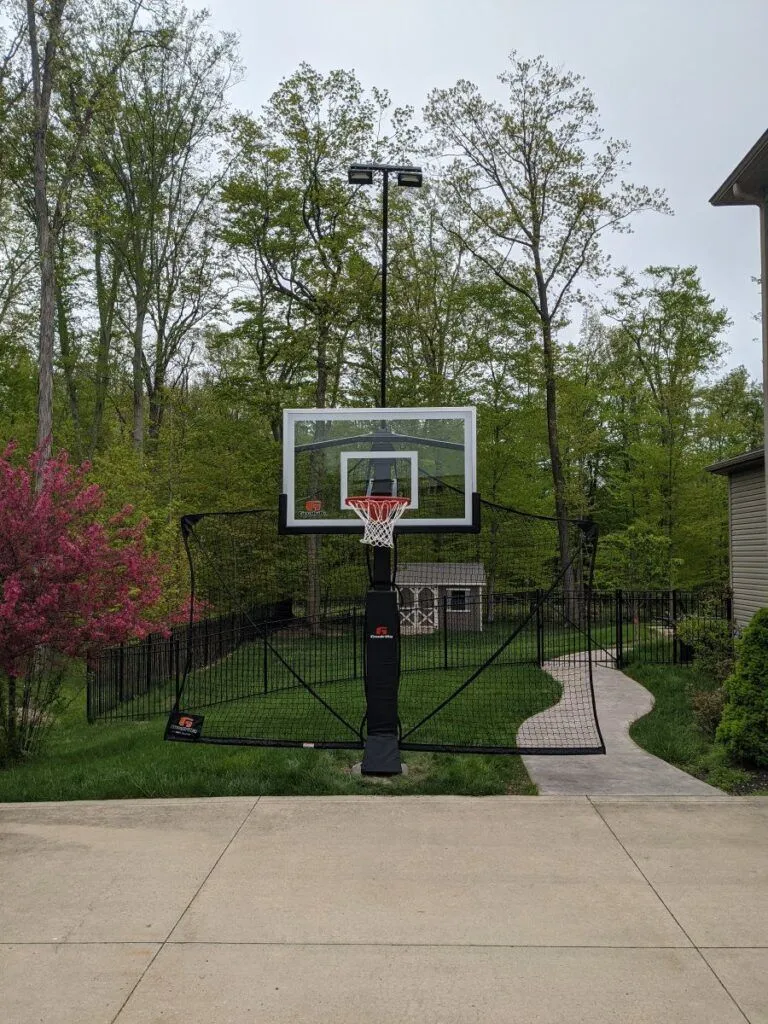
Choosing the Right Basketball for Home Play
Families creating basketball spaces at home often overlook how important regulation sizing can be. Using the correct Size 7 basketball helps teenage boys and adult players develop skills that transfer naturally into organized play. Recreational athletes also benefit because regulation equipment creates a more realistic and enjoyable playing experience. Choosing a basketball based only on price or appearance can lead to poor grip, inconsistent bounce, and faster wear over time.
When selecting a basketball for home use, it is important to consider where the ball will be used most often. Outdoor courts require more durable basketballs that can handle rough surfaces, while indoor courts benefit from softer materials that improve grip and control. Proper inflation and storage also affect basketball lifespan significantly. Basketballs exposed to extreme temperatures or low air pressure lose performance much faster. Understanding what size is a men’s basketball helps families make smarter purchasing decisions while building better practice environments at home. Combined with reliable basketball systems and safe court setups, the correct basketball size supports long-term skill development and overall enjoyment of the game.
Importance Of Proper Basketball Equipment
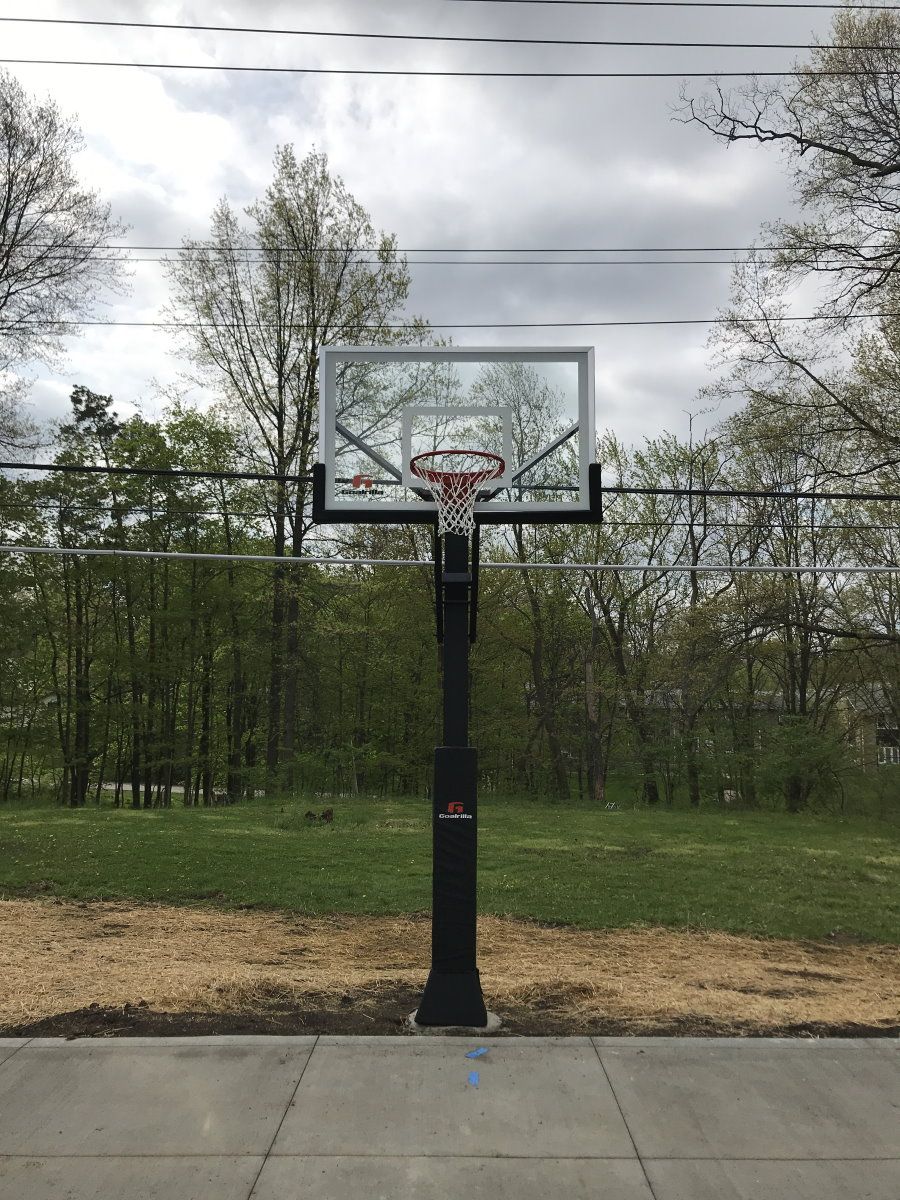
Basketball performance depends on more than just the ball itself. Hoop quality, court spacing, rim stability, and surface conditions all influence how players develop their skills. A regulation basketball performs best when paired with properly installed equipment that creates a realistic playing environment. Consistent practice conditions help players improve shooting mechanics and movement patterns more effectively over time. Stable rims and durable backboards allow players to train with more predictable rebound response and shot feedback. Court setup also affects safety and movement efficiency during drills and games. Players benefit most when their training environment closely matches official game conditions. Understanding what size is a men’s basketball becomes part of a larger picture that includes using proper basketball systems, safe court surfaces, and regulation equipment. These details work together to create a better overall basketball experience for both recreational and competitive players.
Official Rules and Measurements
Selecting the right basketball and hoop can feel overwhelming for some families. Getting expert guidance ensures you choose equipment that matches age, skill level, and available space. If you need help selecting basketball equipment or planning an outdoor setup, you can reach out through the contact page. Expert advice helps families make confident decisions. Basketball dimensions are governed by official organizations that set equipment standards. These rules ensure consistency across leagues and competitions. For official equipment specifications and rules, you can also explore information from NBA, which provides authoritative guidance on professional basketball standards.
Conclusion
Knowing what size is a men’s basketball helps players, coaches, and families create better basketball experiences at every level of play. The official Size 7 basketball remains the standard because it provides the right balance of grip, control, and challenge for adult male athletes. From professional leagues to recreational home courts, consistent basketball dimensions support fair competition and stronger skill development. Choosing the correct basketball and pairing it with reliable equipment creates a more effective and enjoyable training environment. To explore basketball systems and outdoor play solutions designed for long-term performance, visit Kids World Play.