
When Were Sports Invented
Sports feel like a modern part of life because people watch professional leagues, Olympic events, and school competitions every day. Yet sports existed long before stadiums, television broadcasts, and organized championships appeared. Human beings competed physically for thousands of years through running, wrestling, throwing contests, and other activities connected to survival, training, and community celebrations. That history often leads people to ask when were sports invented. The answer is more complicated than a single date because sports developed gradually across different civilizations around the world. Early athletic contests helped people build strength, prepare for battle, honor religious traditions, and entertain large crowds. Understanding when were sports invented helps explain why competition, teamwork, and physical activity continue playing such an important role in cultures across the world today.

Early Human Competition Before Organized Sports
Before organized sports existed, early humans still competed physically in many ways. Ancient communities relied heavily on hunting, running, climbing, swimming, and throwing skills for survival. Over time, people naturally began turning these physical abilities into contests and games. Simple competitions likely developed as forms of training, entertainment, and social bonding within tribes and villages.
Historians believe many early competitions involved racing, wrestling, and spear throwing because those skills directly supported hunting and combat preparation. Physical contests also helped communities identify strong leaders and skilled warriors. Unlike modern sports, these activities rarely followed written rules. Instead, traditions passed down informally from one generation to another. Understanding when were sports invented begins with recognizing that competition existed naturally in human societies long before formal athletic organizations or stadiums appeared.
The First Known Organized Sports
The earliest organized sports appeared thousands of years ago in ancient civilizations such as Egypt, Mesopotamia, China, and Greece. Historical evidence suggests wrestling, running, archery, and stick-based games existed as early as 3000 BCE. Ancient artwork and carvings show athletes participating in physical competitions that closely resemble modern sporting events.
Ancient Egypt featured wrestling contests, swimming competitions, and spear-throwing events. Civilizations in China practiced early forms of soccer-like games and martial arts activities. Many of these competitions were connected directly to military preparation because physical strength and coordination were important for warfare. Organized sports slowly became more structured as civilizations developed written rules, dedicated playing areas, and ceremonial competitions. This transition marked the beginning of sports becoming recognizable public events rather than simple survival-based activities.

How Ancient Greece Changed Sports Forever
Ancient Greece played one of the biggest roles in shaping organized sports history. The Greeks valued physical fitness, competition, and athletic achievement strongly within their culture. Around 776 BCE, Greece introduced the Olympic Games, which became one of the most important athletic traditions in history. Athletes traveled from different city-states to compete in events such as running, wrestling, boxing, discus throwing, and chariot racing.
The Olympic Games helped standardize athletic competition by introducing formal rules, organized schedules, and public recognition for winners. Greek athletes trained seriously and became respected public figures. Physical excellence represented discipline, honor, and dedication within Greek society. According to the International Olympic Committee’s history of the ancient Olympics, these early competitions influenced many modern sporting traditions still used today. Understanding when were sports invented often leads directly to ancient Greece because the Olympics helped transform sports into organized international events.
Sports In Ancient Rome
The Roman Empire expanded athletic entertainment dramatically after conquering much of the Mediterranean world. Romans admired Greek athletic traditions, but they also introduced more violent forms of public competition. Gladiator battles, chariot racing, and large combat spectacles became popular forms of entertainment inside massive arenas such as the Colosseum.
Roman sports focused heavily on crowd entertainment and public spectacle. Chariot races attracted huge audiences, and successful competitors became famous throughout the empire. While many Roman activities were far more dangerous than modern sports, they still helped shape ideas about professional competition and organized public events. The Roman approach also showed how sports could influence politics, culture, and entertainment on a massive scale.

How Sports Changed During The Middle Ages
Sports changed significantly during the Middle Ages as different regions developed their own games and physical traditions. Many competitions centered around military training because kingdoms relied heavily on knights and soldiers during wartime. Activities such as archery, horseback tournaments, wrestling, and sword fighting became common throughout Europe.
Villages and towns also created recreational games that ordinary people could enjoy during festivals and celebrations. Early versions of soccer, rugby, and handball-like games appeared during this period, although rules varied widely between communities. Some matches became extremely rough because organized regulations remained limited. Even so, these games helped preserve the idea of physical competition as an important part of social life. Understanding when were sports invented becomes more interesting when people realize how different regions developed unique athletic traditions independently.
The Birth Of Modern Sports
Modern sports began taking shape during the 1800s when schools, universities, and athletic organizations started creating official competition rules. Standardized rules helped teams from different regions compete fairly against each other. Sports such as soccer, baseball, basketball, tennis, and volleyball all became more organized during this period.
Industrialization also helped sports grow because cities developed larger populations and more recreational facilities. Newspapers increased public interest by reporting game results and athlete achievements regularly. Schools began promoting sports as important tools for teamwork, discipline, and physical fitness. Families today continue supporting athletic development through recreational spaces and home practice systems such as Goalsetter Contender, which help children stay active while learning sports skills outside organized competition.
How Technology Helped Sports Grow Worldwide
Technology changed sports dramatically during the 20th century. Radio broadcasts first allowed fans to follow games from home. Television later transformed sports into global entertainment by bringing live events directly to millions of viewers worldwide. Professional leagues grew quickly because larger audiences increased sponsorships, advertising, and athlete salaries.
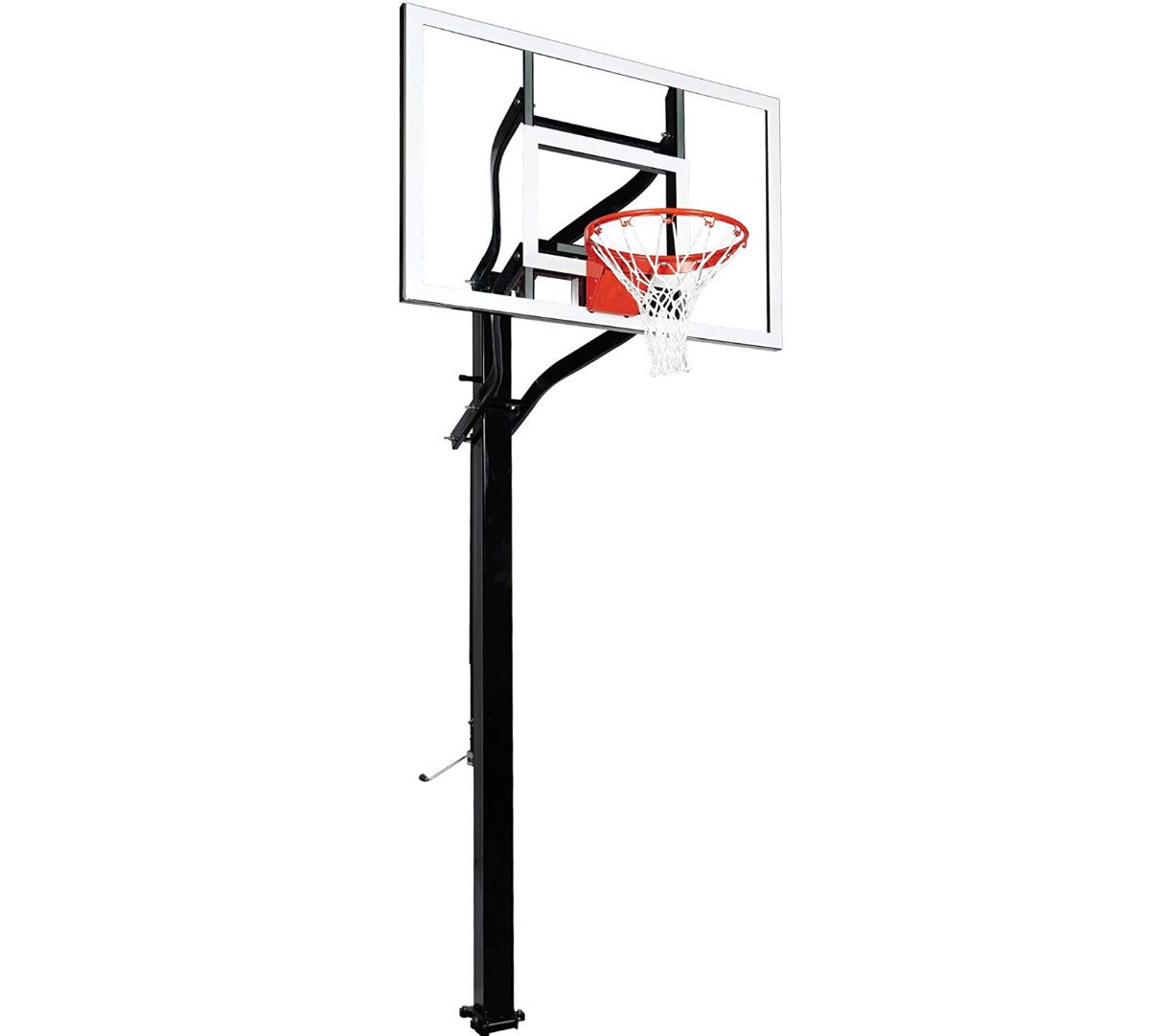
Modern transportation also made international competition easier. Athletes could travel globally for tournaments, Olympic Games, and professional leagues. Sports equipment improved as manufacturers developed safer helmets, stronger shoes, better playing surfaces, and advanced training tools. Families now create home practice environments using systems such as Goalsetter X660 to encourage year-round activity and skill development. Technology continues shaping how athletes train, compete, and connect with fans today.
Why Sports Still Matter Today
Sports remain important because they combine competition, teamwork, discipline, and entertainment in ways few activities can match. Young athletes learn confidence, communication, and leadership through participation. Communities also use sports to bring people together across different backgrounds and cultures. Major sporting events often create strong emotional connections between players, fans, schools, and entire cities.
Sports also support physical and mental health by encouraging movement, goal setting, and social interaction. Recreational play gives families opportunities to spend time together while staying active outdoors. Even though modern sports now involve massive professional industries, many people still enjoy sports for the same simple reasons ancient civilizations once did. Competition challenges the body, builds relationships, and creates memorable shared experiences.

Conclusion
So, when were sports invented? Sports were not invented at one specific moment. Human competition existed for thousands of years before organized athletic events appeared. Ancient civilizations gradually transformed physical contests into structured competitions with rules, spectators, and dedicated playing areas. From early hunting contests to the Olympic Games and modern professional leagues, sports have continued evolving alongside human society.
Today, sports remain one of the world’s most powerful forms of entertainment, recreation, and community connection. They encourage teamwork, discipline, creativity, and healthy competition for people of all ages. Whether someone plays casually in the backyard or competes professionally, sports continue carrying forward traditions that began thousands of years ago. To explore premium basketball systems and outdoor play solutions designed for active family fun, visit Kids World Play.