
Why Youth Sports Are Important
Many parents want their children to grow up healthy, confident, and socially connected. One of the most powerful tools available to support that growth is youth sports. Understanding why youth sports are important helps families make choices that benefit their children in both the short term and the long term. Youth sports are not only about competition or winning. They are about developing skills that influence a child’s physical health, emotional growth, and ability to work with others. When a child participates in sports early, they build habits that carry through life and help shape who they become as teenagers and adults.
Children naturally enjoy movement and play. Youth sports take that natural interest and apply structure, guidance, and purpose. When kids join teams or learn a sport at home, they develop a routine that encourages physical activity. This becomes incredibly important in a world where many children spend large amounts of time using screens or sitting indoors. Understanding why youth sports are important helps families prioritize activities that boost health and enhance a child’s overall well being. The benefits reach far beyond the field, court, or track.
How Youth Sports Support Physical Development
The physical benefits are often the first reason parents explore why youth sports are important. Running, jumping, stretching, and practicing skills help children strengthen their bodies and build endurance. Physical activity supports bone development, muscle growth, and heart health. When children learn sports early, they develop coordination and balance more quickly because their bodies are still growing. Playing sports also helps prevent childhood obesity, which has become a rising concern in many communities. According to the Centers for Disease Control and Prevention, children who stay active are more likely to maintain a healthy weight and develop strong fitness habits for life.
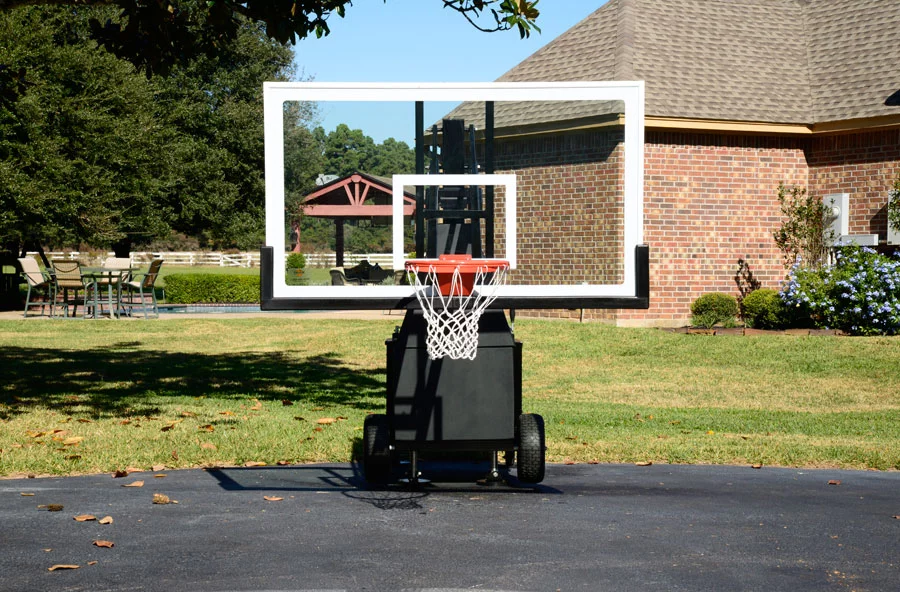
Youth sports also help improve motor skills. Learning to dribble a basketball, swing a bat, kick a soccer ball, or run a relay race teaches control and precision. These skills translate into everyday activities, making children more confident in their physical movements. When families introduce their children to sports at home, simple equipment can encourage consistent activity. Even something like practicing shots with a high quality hoop from best outdoor basketball hoops in ground helps children stay active while having fun in their own backyard.
Why Youth Sports Build Emotional Strength
Beyond physical abilities, understanding why youth sports are important includes recognizing the emotional benefits. Sports teach children how to handle challenges. Whether they win or lose, they learn to manage their emotions in a healthy way. Competing against others and practicing skills builds resilience. Children learn that improvement takes time and patience, and this mindset helps them face difficulties in school and life.
Sports also provide a positive outlet for emotional energy. Children often experience stress, disappointment, or frustration, even at a young age. Youth sports give them a safe environment to release that energy while learning how to stay calm and focused. Many parents notice that children who play sports often show more confidence in new situations. The sense of accomplishment that comes from mastering a skill or achieving a goal encourages children to believe in their abilities.

How Sports Strengthen Social Skills
One of the strongest arguments for why youth sports are important is the development of social skills. Children learn how to communicate with coaches, teammates, and opponents. They discover how to cooperate, share responsibilities, and work toward a common goal. These lessons form the foundation of teamwork, which is essential throughout life. Whether a child becomes an athlete or not, these skills help them succeed in school, friendships, and future careers.
Youth sports also teach respect. Children learn to listen to instructions, follow rules, and treat others kindly, even when competition is intense. This type of structured social environment helps children understand boundaries and expectations. They also develop friendships that often last long after the season ends. Being part of a team gives children a sense of belonging, which is a powerful feeling during their development.
The Role of Discipline and Responsibility
Many parents highlight discipline when explaining why youth sports are important. Sports create routines that help children understand responsibility. Showing up to practice, wearing the right equipment, and participating in games require commitment. Children learn to manage their time, keep track of their belongings, and recognize the importance of following through with their obligations.
This sense of discipline carries into other areas of life. Children who participate in sports often develop stronger study habits, better focus in school, and a deeper understanding of what it means to work hard. They learn that effort leads to improvement, and this lesson can influence their academic performance and personal growth. Parents appreciate how sports teach accountability without pressure or negativity.
Why Youth Sports Encourage a Healthy Lifestyle
Understanding why youth sports are important also includes recognizing the long term health benefits. When children are introduced to sports early, they are more likely to stay active into adulthood. These habits lower the risk of chronic health conditions and encourage a lifetime of physical activity. Sports help children build routines that support mental and emotional well being, which becomes even more important as they grow older.
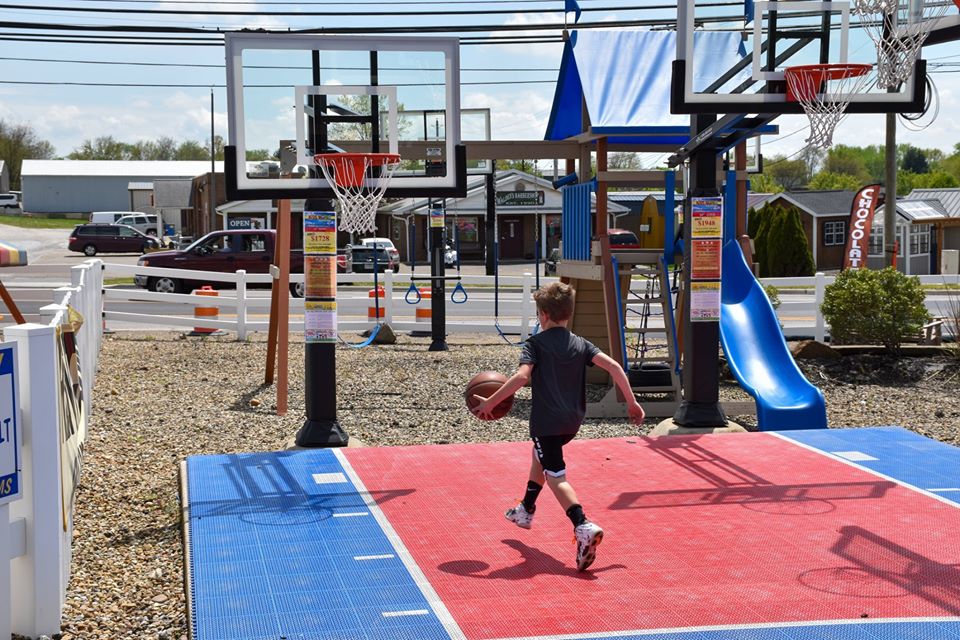
Families that support youth sports often find that their overall lifestyle becomes healthier as well. Parents begin to prioritize outdoor play, balanced meals, and regular movement. This creates a home environment where children see healthy habits modeled consistently. Simple backyard equipment, such as basketball hoops or swing sets, helps reinforce these habits daily.
Sports as a Tool for Education and Learning
Children learn better when they are active. That is another reason why youth sports are important. Movement increases brain activity, improves focus, and strengthens memory. Many teachers and parents notice that children who participate in sports often perform better academically. Sports also teach goal setting, which is a transferable skill that supports academic growth. Children learn to break large tasks into smaller steps, stay organized, and stay motivated.
Sports also support decision making. During games, children must think quickly, analyze situations, and react with confidence. These skills are useful in the classroom and in everyday life. Parents who encourage youth sports often notice improvements in problem solving and leadership abilities.
How Youth Sports Create Positive Family Experiences
Families who explore why youth sports are important quickly realize that these activities bring family members closer. Attending games, practicing in the yard, and celebrating progress create meaningful moments. Parents become role models by showing support, teaching sportsmanship, and motivating their children to try their best.
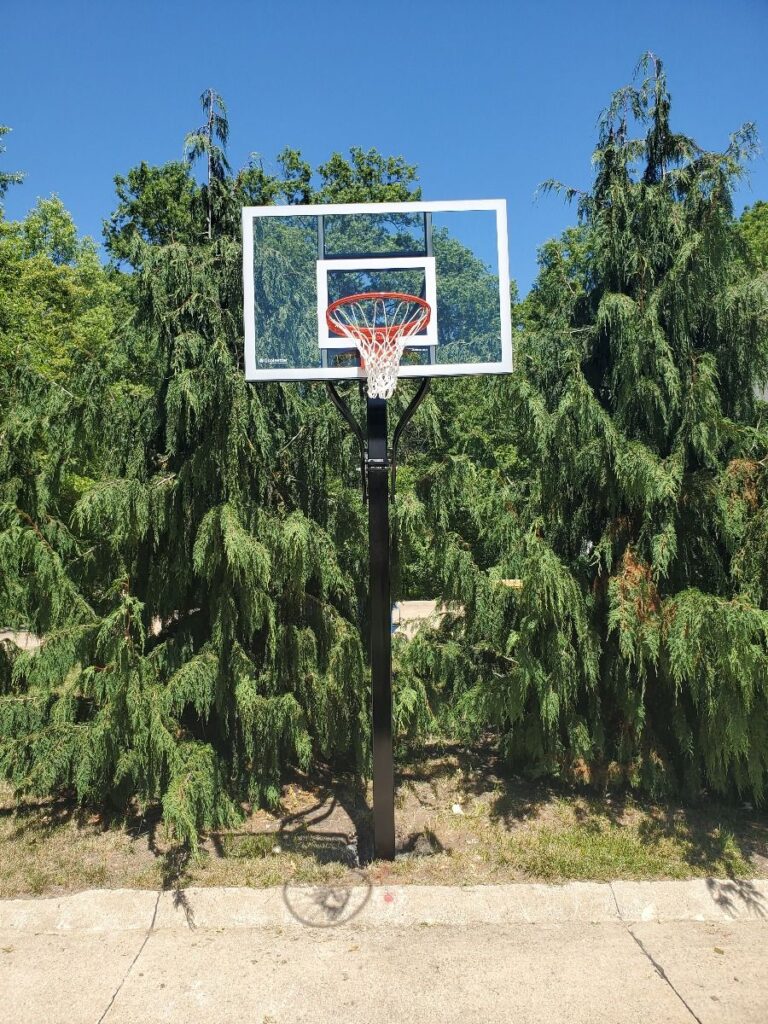
Backyard sports activities help build these moments at home. Whether it is shooting a basketball together, throwing a ball, or practicing skills, families bond over shared experiences. Simple equipment such as high quality hoops from Kids World Play Systems can help encourage these fun, active moments without needing to leave home.
How Youth Sports Promote Safety Awareness
Understanding why youth sports are important includes recognizing how they teach children about safety. Coaches teach proper techniques to reduce the risk of injuries. Children learn how to warm up before activity, how to use equipment correctly, and how to be aware of their surroundings. These lessons help them stay safe not only during sports but also in other physical activities.
Youth sports also teach children how to listen to their bodies. They learn the difference between healthy effort and harmful pain. This awareness encourages children to take breaks, drink water, and practice healthy habits. These simple habits contribute to a lifetime of self care.
Choosing the Right Sports for Children
Every child is different, which is why youth sports are important in many forms. Some children enjoy team sports like basketball and soccer, while others prefer individual activities like gymnastics or running. The goal is not to force a specific sport but to introduce different options. When children explore various activities, they discover what they enjoy and what matches their strengths.
Introducing sports at home can also help children become familiar with movement. A simple hoop, a ball, or a jump rope gives children the chance to explore physical activity at their own pace. Parents who need guidance can connect with experts through the contact page at Kids World Play Systems for helpful suggestions on creating active, safe backyard environments.

Conclusion
Understanding why youth sports are important helps families support their children in meaningful ways. Youth sports build strong bodies, confident minds, and positive social skills. They teach discipline, responsibility, and healthy habits that last a lifetime. Whether a child becomes an athlete or simply enjoys active play, sports create a foundation for a balanced and fulfilling life. Parents who encourage youth sports give their children valuable tools for growth, success, and happiness. For more support on creating active play environments at home, explore resources available through Kids World Play Systems, where families can find guidance and high quality equipment to support a healthy and active lifestyle.